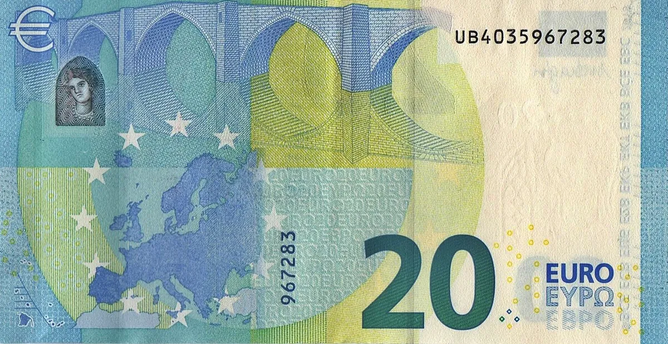
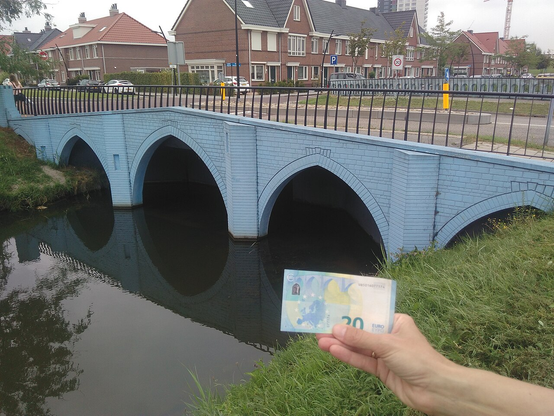
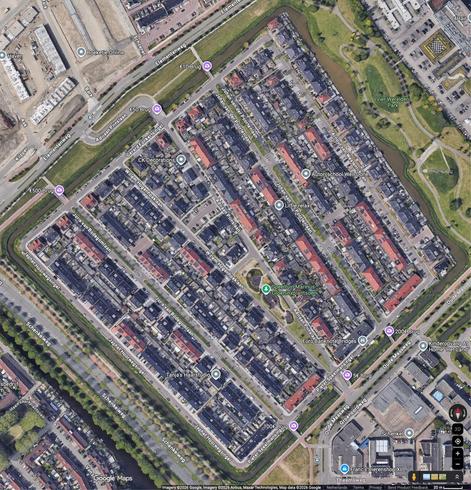
Then in 2011 those trolls the Dutch built seven bridges in one town that were all designed to look exactly like the imaginary banknote bridges. They even painted the bridges the same colors as the banknotes.
So now the EU banknotes depict the bridges of Spijkenisse, South Holland. (pop. 72,500)
Apparently they are thinking of replacing the bridges with famous people, and of course the predictable squabbling has already started, why does Beethoven get to be on a Euro note and not Da Vinci? Why Curie and not Cervantes? Is it an insult to France if Beethoven is on the €100 and Curie only on the €10? Blah blah blah.
Spijkenisse has shown the way. The ECB should select, completely at random, some EU town with a population between 10,000 and 100,000, national capitals excluded. Then they should commission designs of that specific town's notable buildings or local scenery.
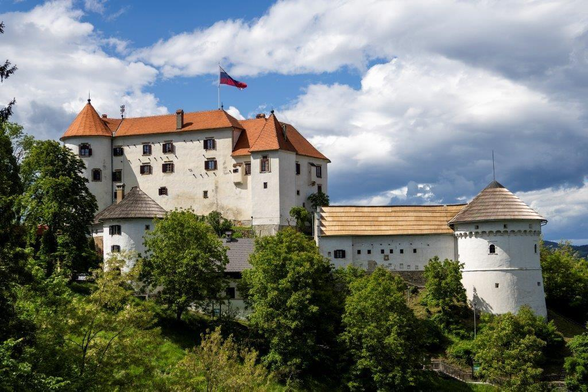
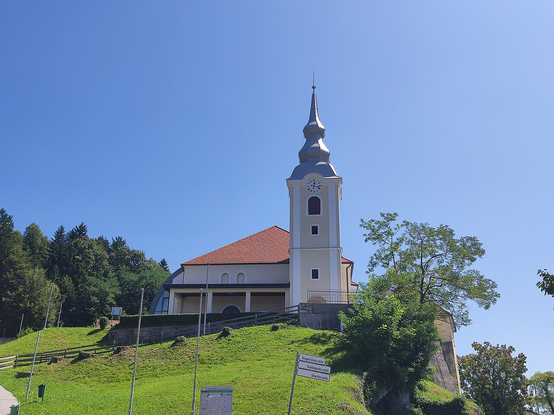
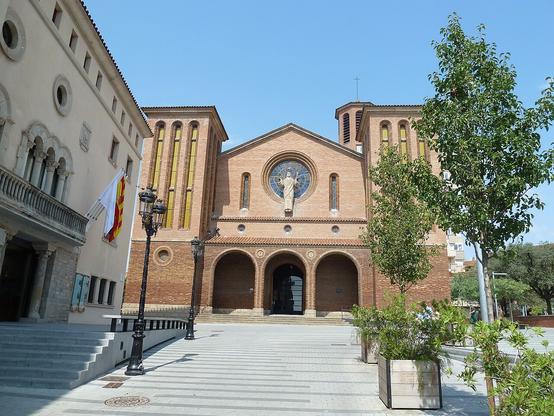
For example, suppose Velenje, Slovenia was selected. The €200 could bear a picture of Velenje Castle. The €5 could depict the church of St. Martin.
The random selection and general irrelevance of Velenje would help forestall complaints:
* “Why does Velenje get to be on the notes, and not Acireale, Sicily?” No reason, just luck of the draw.
* “Are you saying thet Velenje is somehow more important than all the other towns in Europe?” No, of course not. It is nowhere in particular, that's the point.
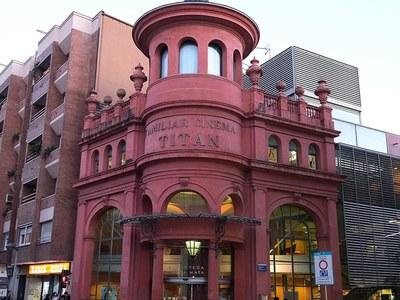
* “Cornellà de Llobregat is lovely, why didn't you choose that?” Maybe next time we will!
A random town of no particular importance can be a representative of European pride in general, a sort of everytown: “Look, Europe has such a history of beauty and culture that it doesn't matter what particular place we select to represent it, this time it was Velenje but it could have been anywhere, really.”

@urixturing 😅 There only needs to be six things in it worth depicting, then it's no problem if the rest is concrete apartment blocks or toxic waste dumps.or whatever.
https://commons.wikimedia.org/wiki/Cornell%C3%A0_de_Llobregat
@mjd
I would go for a recognisable swiss monument, switzerland being close to the geographic center of EU but not in EU.
:)
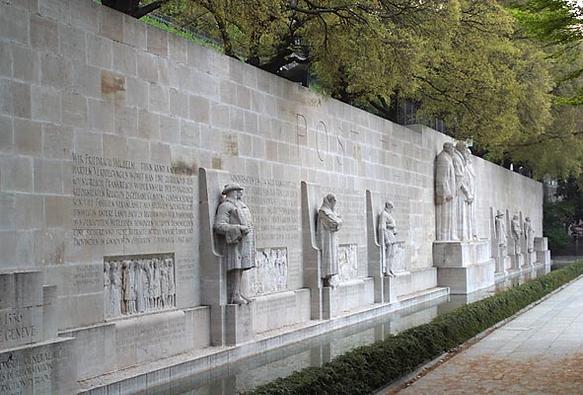
How about the Reformation Wall (https://en.wikipedia.org/wiki/Reformation_Wall)? It's featuring (among others) William the Silent (NL), Oliver Cromwell (UK), Gaspard the Coligny (FR), Stephen Bocksai (HU), Frederick William of Brandenburg (DE - Prussia) besides of course the protestant theologists.
@mjd they could just put random ai generated faces onto the bank notes instead of famous people.
Then, in ten years, the Dutch will genetically engineer some kids to look like those people.
@mjd I thought there was a contest going on with two themes: “European culture” and “Rivers and birds”?
https://www.ecb.europa.eu/euro/banknotes/future_banknotes/redesign/html/index.en.html#designs
@jannem See my note elsewhere about Cornellà de Llobregat. Or my other suggestion that three towns be selected from each country and then popular voting be done Eurovision-style.
@mjd They should hire this firm lol:
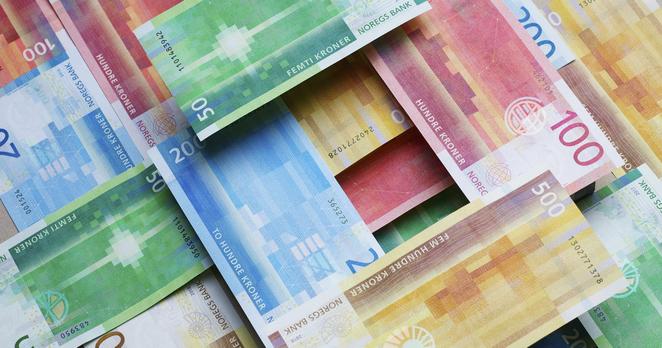
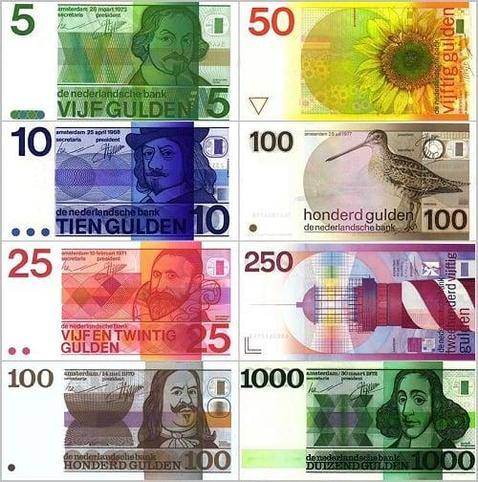
@meowki @mjd They are different but how good are their anti-counterfeiting measures?
Historically British banknotes have had two people on them, the reigning monarch on one side and someone dead but famous on the other side.
Back in 1990 when a few series was introduced they increased the size of the face and reduced the body, as they claimed that people were very good at spotting forged banknotes because people were good with faces.
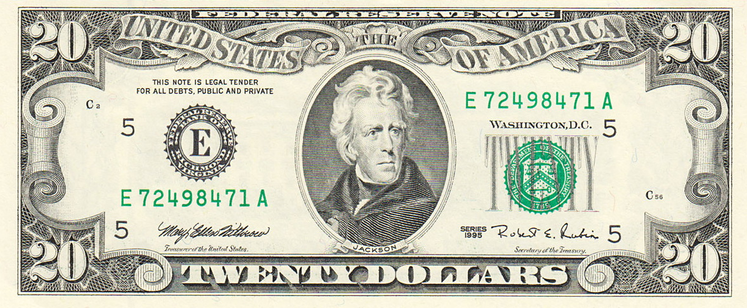
@bonkers @mjd @meowki yes when I lived in the US I found dollars very primitive and easy to mix up compared with Sterling which was colour coded and each note was a different size.
I believe the US dollar is often the most forged currency in the world, because it's widely used outside its own borders, there are a lot of them about and compared with Euro or Sterling the anti forgery features have lagged - though the more recent ones may be a lot better.
@mkoek @bonkers @mjd @meowki ah yes, Sterling is quickly changed. You can take old or worn out notes to the Bank of England and they will swap them for new ones, but obviously not a good place to try and pass a dud one...
A paranoid relative hid £5 in curtains and came unstuck when she realised they had been phased out. The switch to the Euro forced a lot of criminal gangs to get rid of their old money in a rush...
@mjd Seems to me, at least based on that picture, that they didn't actually build new bridges, but built Potemkin-style rather plasticky-looking façades in front of existing much more boring bridges?
Or at least, even if the bridges might be new, the banknote-inspired look doesn't match the actual construction and structure of the bridges. The one in the picture is not actually multiple load-bearing arches made out of masonry.
Fake and sad.
Yes, I am fun at parties.
@tml I believe you're exactly right about the way they were (not) constructed. I read that they are not even painted to match the notes, they are made of dyed concrete.
But I disagree that it's sad—to me that's part of the joke. Similar to the way they didn't construct grand bridges spanning gorges or mighty rivers, they just used the designs for little footbridges over canals. It's funny!
@tml I did find the fake suspension cables of the cable-stayed bridge rather disturbing.
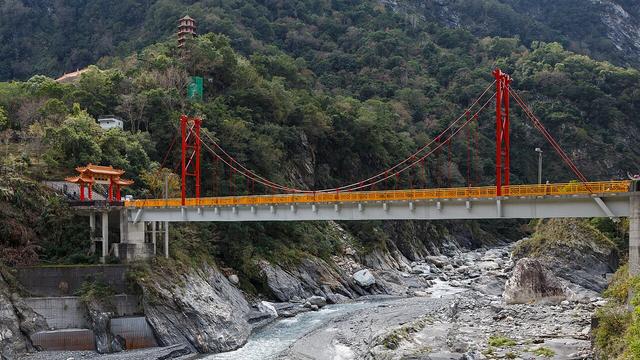
I was similarly offended by this fake suspension bridge in Taiwan.
This is the most postmodern thing I have ever heard