@skinnylatte having gone "the opposite way" with the US as the baseline, i think the US *does* have quite strong national coherence, but mostly only in the areas that you instinctively can adapt to (and so don't notice)
a stack lots of tiny little habits and assumptions, especially in the "minutiae of operating day-to-day life" domain. for example, the dominance of Brands™️. by extension, knowledge about where to go to get <product category>, at least by default. or how "every" school has "that" style of cinder block walls. generally lots of homes and other buildings with very similar construction. how to call or otherwise interact with a B2C services provider (i.e. things like what information you're likely need to have on hand. how the scripts usually go. implicit knowledge of what each individual person in that org can or cannot do) (tech megacorps broke a lot of this).
every country has this of course, but the US feels particularly weak at *explicitly* documenting and transmitting this information (apparently "most people" can still pick it up? but i found it a huge struggle). my hypothesis now is that because a lot of this developed *because of* a huge population boom, there wasn't ever a consideration of how to *continue* to transmit it.
otoh, the US *excels at* not having "one way of life" on the larger scale. i've discovered lots of ways that the US allows mobility and second chances that other countries simply don't. for example, the GED, community colleges, and generally quite robust re-credentialing infrastructure
 Adrianna Tan
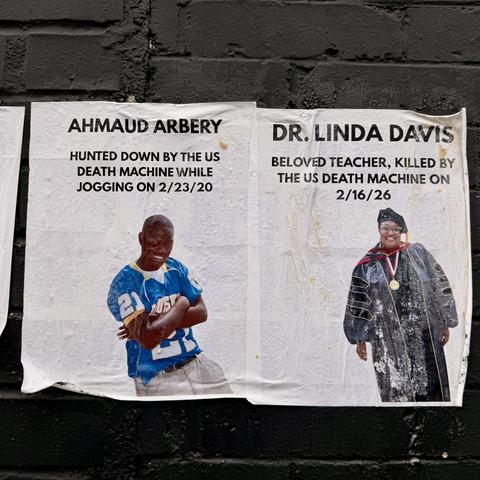
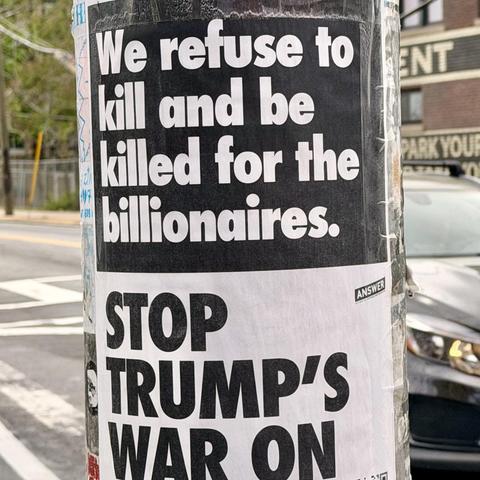
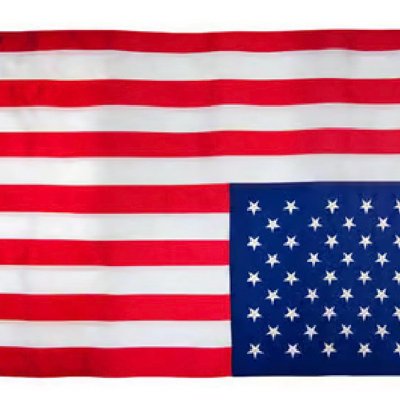 RiaResists
 eestileib (she/hers)
 world's worst goth
 Daniel Reeders
 Napalousa
 Jürgen Hubert
 David McMullin
 Carolyn
 Phil Dennis-Jordan
 R
R Claire, The Ultimate Worrier
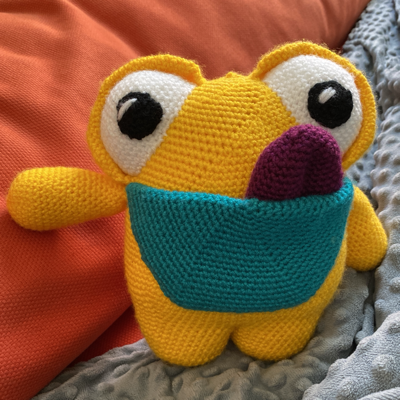 consumableJoy
 Varx
Varx andrew773
 Allan Chow
 Cedar Fen Farm
Cedar Fen Farm
Cedar Fen Farm Luke Kanies
 Enia
Enia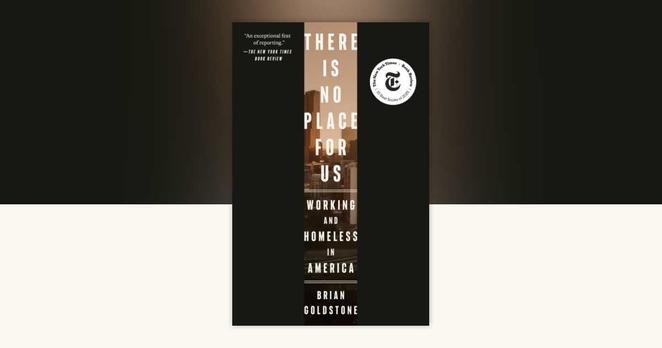
 Ted Mielczarek
 Keira (She/Her)
 Kevin Karhan

 LisPi
LisPi Andrea (Drea) Tamar Pinski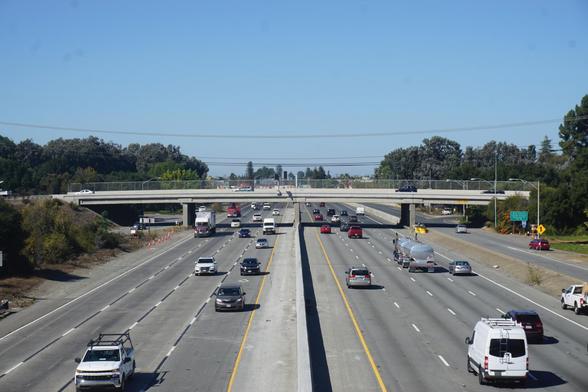
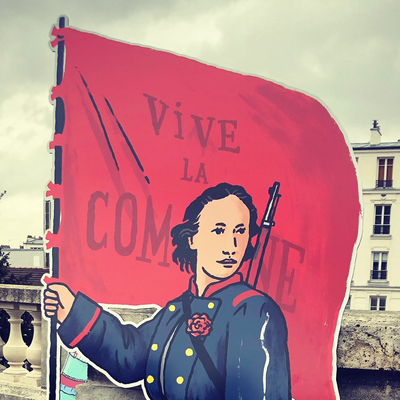 Flauschtext