 grobi
grobiAuroras
by Rachel Lense
https://science.nasa.gov/sun/auroras/
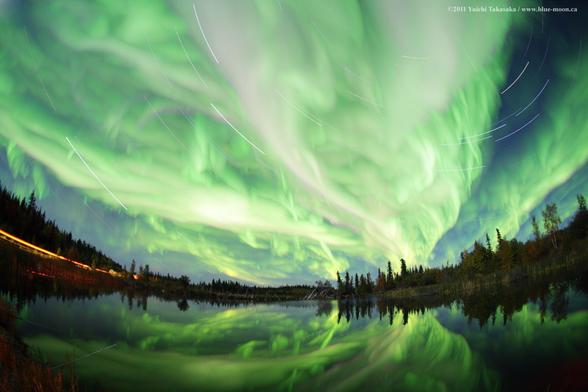
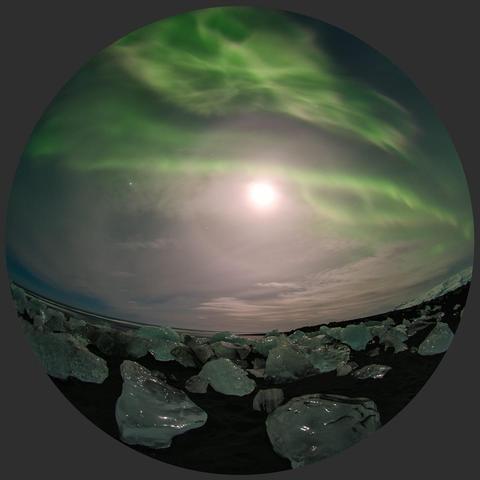
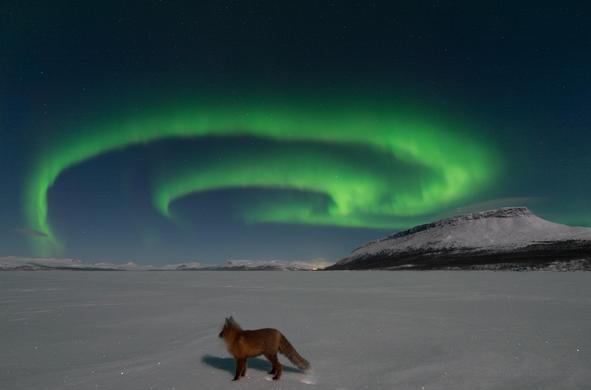
Also known as the northern lights (aurora borealis) or southern lights (aurora australis), auroras are colorful, dynamic, and often visually delicate displays of an intricate dance of particles and magnetism between the Sun and Earth called space weather.
When energetic particles from space collide with atoms and molecules in the atmosphere, they can cause the colorful glow that we call auroras.
Aurora is the Latin word for "dawn" and is also the name of the Roman goddess of the dawn. Europeans living far from the Arctic Circle usually experienced auroras as a faint red glow to the north, resembling the reddish glow in the east at dawn. Aurora borealis translates to “northern dawn.”
Why Are Auroras Colorful?
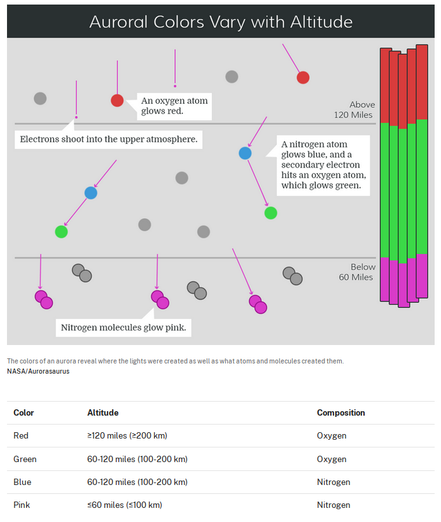
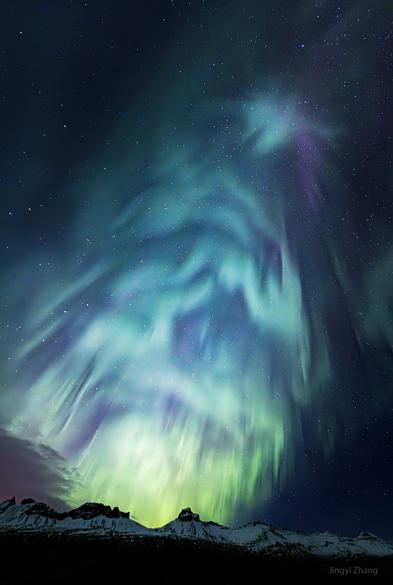
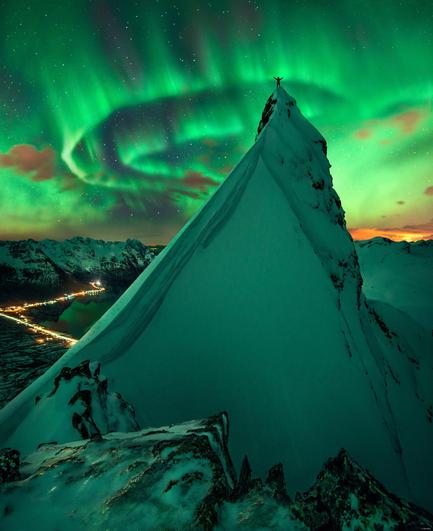
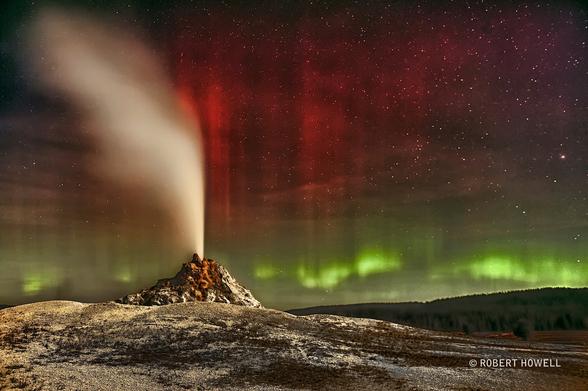
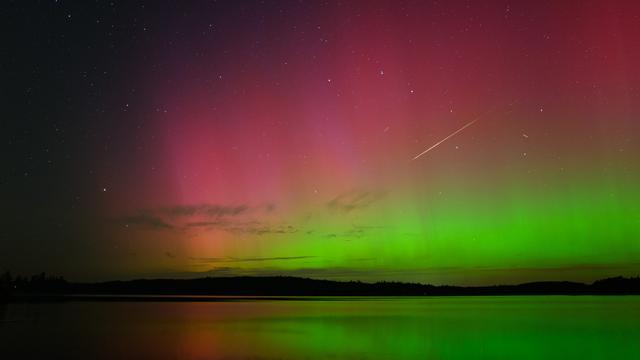
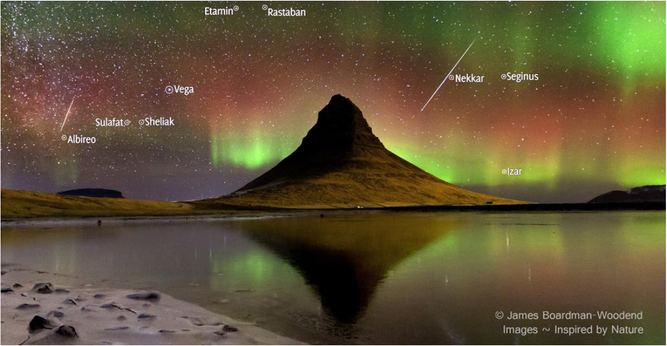
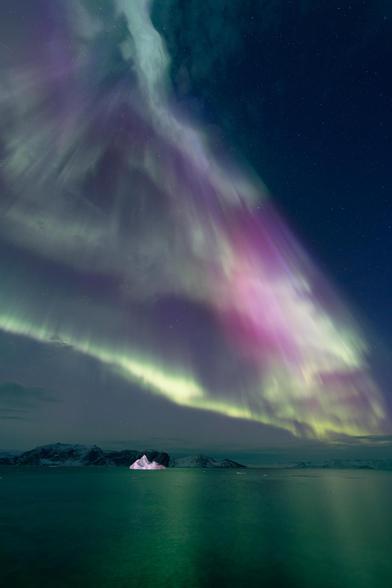
An aurora can appear in a variety of colors, from an eerie green to blue and purple to pink and red. When particles from space bombard gases in the atmosphere, they can give the atoms and molecules of the gases extra energy that’s released as tiny specks of light.
The color of an aurora depends on the type of gas that is hit and where that gas is located in the atmosphere.
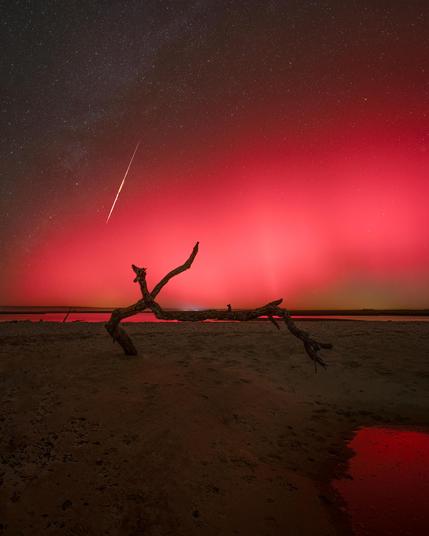
Oxygen excited to different energy levels can produce green and red. Green occurs roughly between 60 to 120 miles (100-200 km) altitude, and red occurs above 120 miles (200 km).
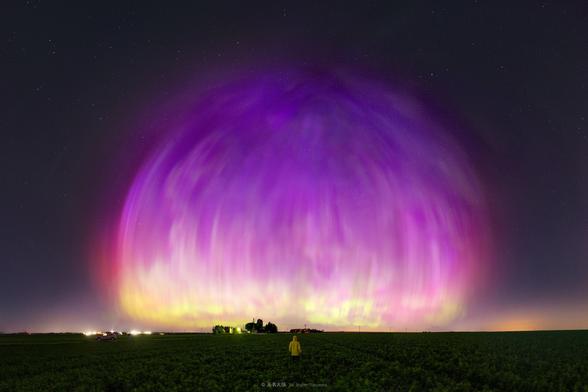
Excited nitrogen gas from about 60 to 120 miles (100-200 km) glows blue. Depending on the type and energy of the particle it is interacting with, nitrogen can give off both pink and blue light. If it is below about 60 miles (100 km), it gives the lower edge of the aurora a reddish-purple to pink glow.
Sometimes, the light emitted by these gases can appear to mix, making the auroras seem purple, pink, or even white.
#space #earth #aurora #astrophotography #photography #NASA #science #physics #nature #education #4sAur













 Merry Christmas
 flamingored