 Joram | 🙂
 Allison #FloopinDoopinTime
When you incorporate deviled eggs with running the country.. you get... THE CHEETO RUNNING THE WHITE HOUSE! #YYYY
@anderelampe liebs, wie jedes dieser Formate für sich furchtbar ist. Gestern hat keine Info zu Wochentag oder Datum, 25. Februar hat kein Jahr und über MM/DD/YYYY muss man gar nicht reden, so schlecht ist das. #TeamISO #YYYY-MM-DD
 Ross Spencer
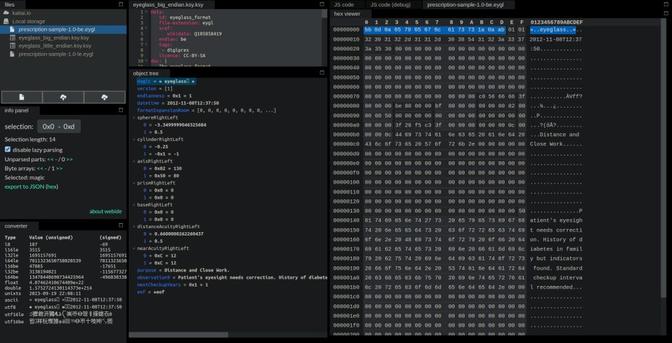
Shattering the eyeglass: Using Kaitai Structs to dissect the eyeglass’ contents
by @beet_keeper
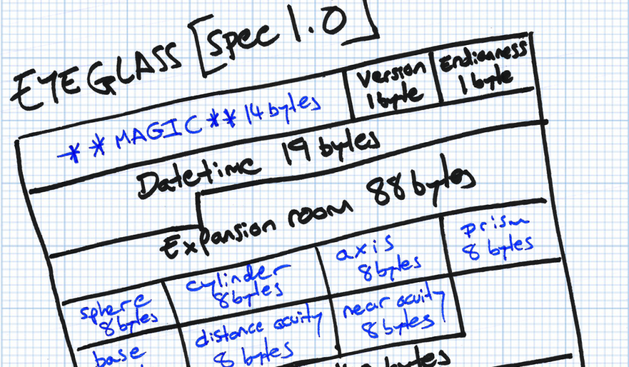
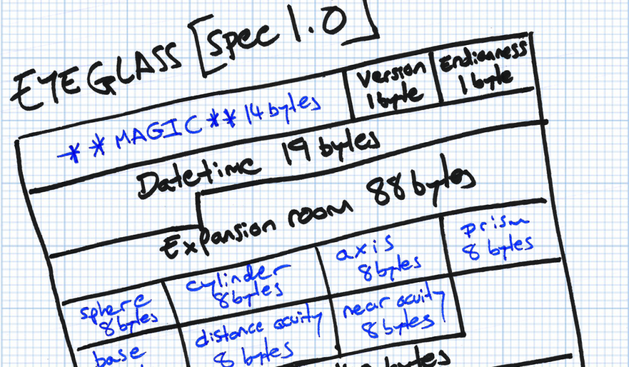
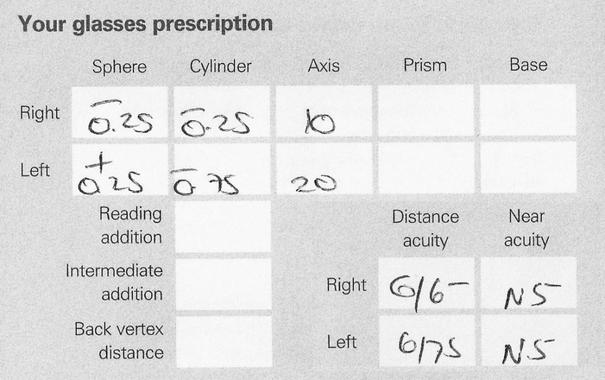
In my post from 2012: Genesis of a File Format, I created a new file format – the Eyeglass file format. The format provides a mechanism to persist information about a patient’s eye health following a checkup at an opticians. Today in 2023 we can use the format to understand how to make use of Kaitai Structs for understanding file formats.
Given the disclaimer that I am not actually an optician and that the format is purely illustrative, let’s look at the eyeglass again below.
Continue reading “Shattering the eyeglass: Using Kaitai Structs to dissect the eyeglass’ contents”…
#code #coding #digipres #digitalLiteracy #digitalPreservation #fileFormat #fileFormatAnalysis #fileFormats #kaitai #pronom #yyyy


 Stu Watts
 imikotoba 🏴❤️🇯🇵
Just realised something I though was tomorrow (23rd of the month) is actually next week. I think I misread dd/mm/yy (UK style) as yy/mm/dd (big endian).
For context, I like and use #ISO8601 style #yyyy-mm-dd dates, familiar to computer people as they sort chronologically, and people who've lived in Japan as they use that order.
I strongly dislike dates written with two digit years. You can probably guess, I hate the USA mm/dd/yy style with a passion.
Genesis of a File Format
by @beet_keeper
Working from the bottom up and ignoring formal preservation descriptions of a file format (see: File Format a rdfs:Class) – a file format represents a place to store information outside of a software application. It mirrors internal memory but promotes the use of the same data outside of, and in between applications.
Formats can be taken for granted. As a software developer I will have
#digitalPreservation #eyeglass #eygl #fileFormat #programming #python #yyyy