 Rory
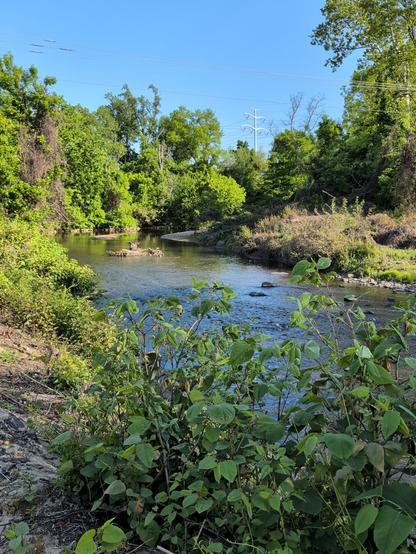
RoryThe Little Patuxent doing its thing. Little breaks by it remind me why I do this job.
#environment #river #LittlePatuxent #wastewater #wwtp #LPWRP
#environment #river #LittlePatuxent #wastewater #wwtp #LPWRP
📰 Circular management of human excreta as a pillar of sustainable cities and food systems
https://hal.science/hal-05478504
This is the written summary of a presentation I gave at the annual meeting of the International Fertiliser Society (you can watch the presentation here: https://video.ploud.fr/w/qb3a8rXPxW7QQmWN7uBBKS)
I discuss the limitations of sewer-based sanitation in the face of climate change and increasing water scarcity: can we still afford the amount of water that is needed for sewers to effectively carry fecal matter all the way to the treatment plant?
Obviously I also mention how alternative management methods are being tested throughout Europe, including in large neighborhoods in Hamburg, Sneek, or Helsingborg (and soon Paris).
#circularity #circularEconomy #environment #sanitation #fertiliser #toilets #sustainability #sustainableCities #WWTP #sewers
Human excreta (urine and faeces) is a major nutrient deposit; in the context of sustainable agri-food systems, it would in fact constitute the largest source of renewable phosphorus. However, current management through sewer-based sanitation leads to significant degradation of this resource as well as to the loss of the majority of the nutrients to the environment. This article details the flows of nitrogen throughout the French sanitation system and discusses the levers and obstacles to nutrient recovery in sewer-based sanitation systems. Using monitoring data from wastewater treatment plants (WWTPs) as well as records on population and dietary intakes, we assessed the flows of nutrients from food, through sanitation systems, and to the environment or environmental parcels. The mass flow diagram showed that 90% of the nitrogen and 50% of the phosphorus entering the system were not returned to agricultural fields but lost to the environment, thus inducing an intrinsic dependence on external nutrient imports. Though legislation has contributed to reducing water pollution by limiting the amount of nutrients discharged to the water, they have had little effect on recycling, especially for nitrogen. Further regulations on WWTPs are unlikely to enable the high nutrient recycling rates that could help secure domestic fertilizer supply chains. Because of this and given the vulnerability of sewer-based sanitation in the face of climate change and increasing water scarcity, we investigate the potential of excreta source-separation to provide high-quality resources for bio-based fertiliser production. We show that, if secured to fertilise crop production for human consumption, the nutrients in French excreta could cover a third of the nutrient requirements of domestic food consumption.
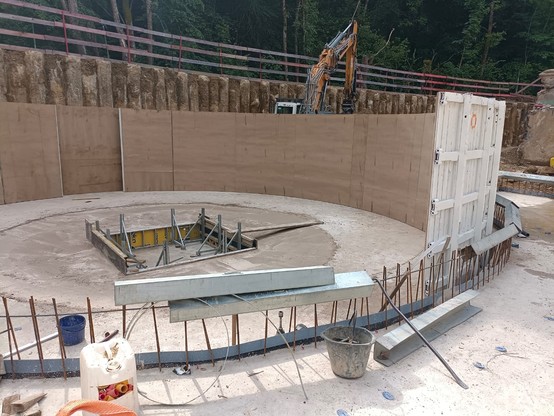
Übersyren / Luxemburg:
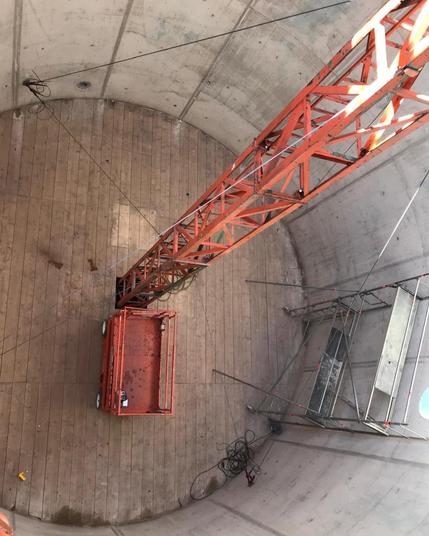
Nachdem der Zylinder gebaut wurde kann mit dem Kegeldach weitergebaut werden - die Innenschalung steht bereits und ist bereit für die Armierung.
Das durchankerungsfreie 45°-Kegeldach hat einen Durchmesser von 11,0m.
Gute Arbeit vom AlphaBau-Team 😊👷💪
#rsbformwork #luxemburg #trichterschalung #rundschalung #ingenieurbau #wwtp #kläranlage #stationdépuration
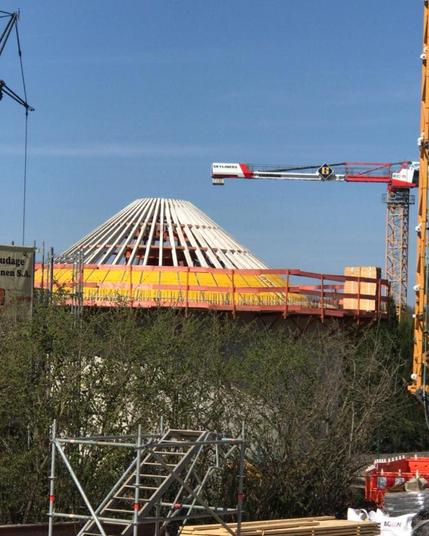
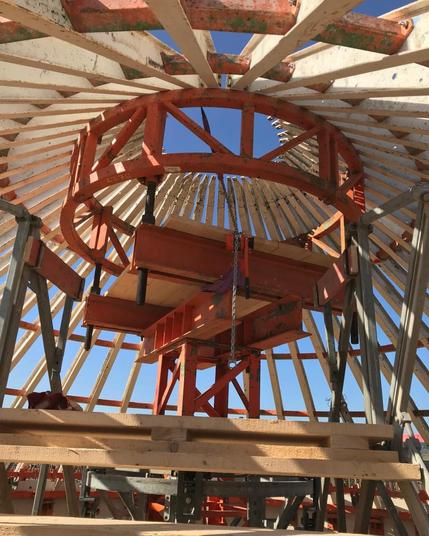
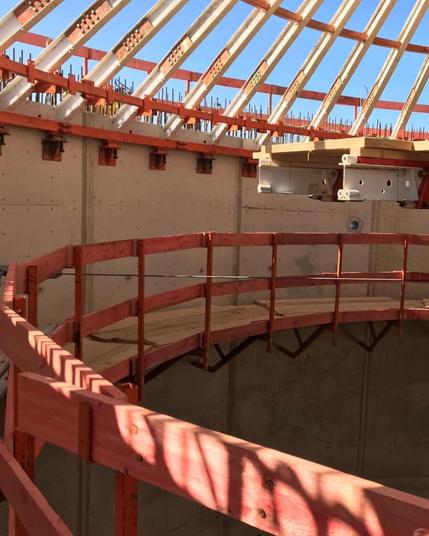
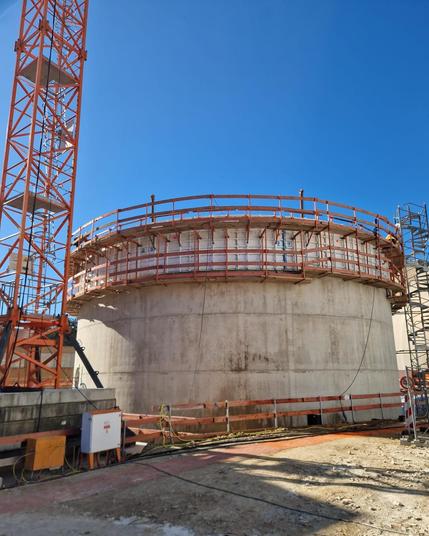
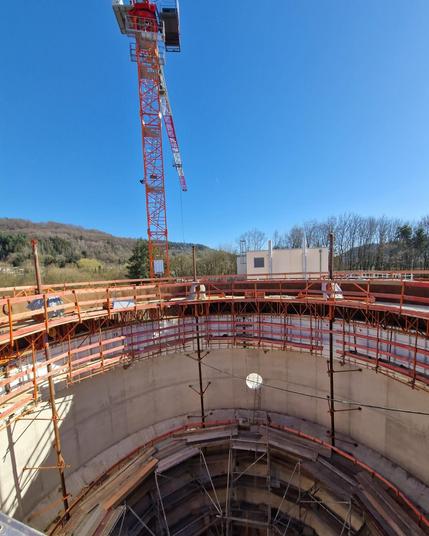
Der Faulturm in Beggen wächst ... mittlerweile wurde der 4 Abschnitt erfolgreich betoniert.
Mit der RSB-Kletterbühne wird die Aussen- und Innenschalung von BA zu BA ohne Kran geklettert.
Gute Arbeit von der Tralux-Mannschaft!
#rsbformwork #faulturm #kletterschalung #rundschalung #ingenieurbau #beggen #luxemburg #kläranlage #wwtp #stationdepuration #tralux #beton #durchankerungsfrei
"Every drop saved is a life sustained! Treat wastewater today for a greener tomorrow. 🌍
Contact us:
Email Id - [email protected]
Contact No. - 9510430147
#taknikinc #wastewatermanagement #wastewatertreatment #treatment #wwtp #ZLD #ZeroLiquidDischarge
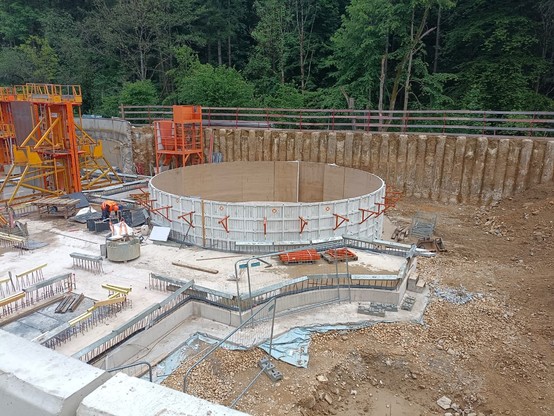
Übersyren / Luxemburg:
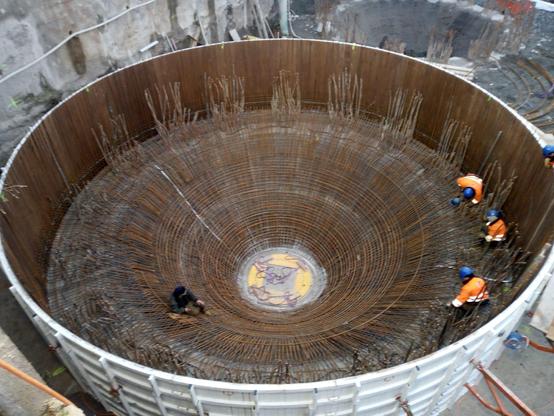
Die Armierung für den Trichter steht und die Randabschalung ist ebenfalls installiert. Im Jannuar wird dann die Trichterschalung eingebaut.
Der durchankerungsfreie 45°-Trichter hat einen Durchmesser von 11,0m.
#rsbformwork #luxemburg #trichterschalung #rundschalung #ingenieurbau #wwtp #kläranlage #stationd'épuration
📰 News of the month
1. We were joined by Yangzi Qiu in october: she is a new permanent researcher in the lab and her webpage is now up: https://www.leesu.fr/qiu?lang=en
For some example of her work on urban #hydrology, see https://hess.copernicus.org/articles/25/3137/2021
2. We're proud to congratulate Christelle Nabintu Kajoka for her PhD prize !
https://www.leesu.fr/christelle-nabintu-kajoka-laureate-du-prix-de-these-special-territoire-de-la
Her thesis was on the use of performic acid to treat residual urban water
Le Laboratoire Eau, Environnement et Systèmes Urbains (Leesu) est un laboratoire de recherche français en sciences de l'environnement, spécialisé dans l'étude de l'eau et de sa gestion, principalement en milieu urbain. C'est un laboratoire commun de l’École des Ponts ParisTech et de l’Université Paris-Est Créteil.
Die Deckenschalung vom Faulturm ist fertig 💪👷 - die Armierung folgt.
#faulturm #rsbformwork #luxemburg #step #wwtp # kläranlage #ingenieurbau #deckenschalung #rundschalung #schaltafel #tralux #schlammstapel #sonderschalung #rund #beton #armierung #qualität #
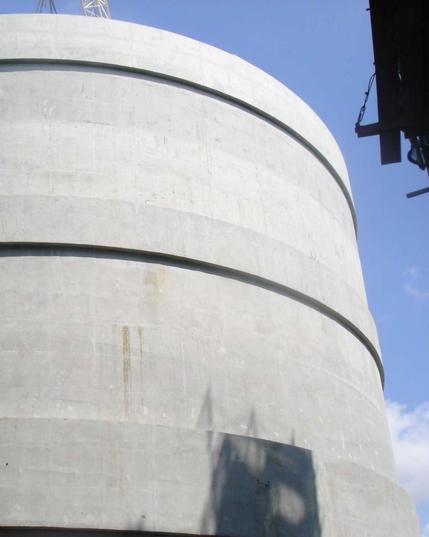
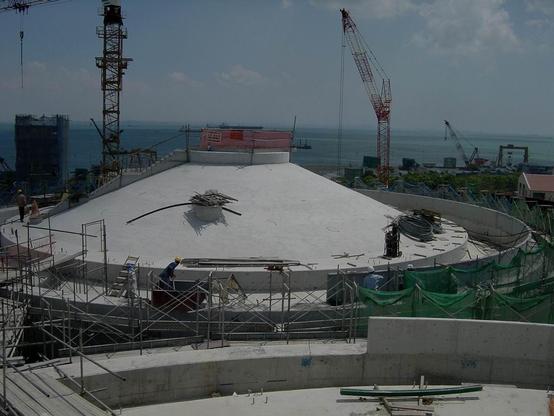
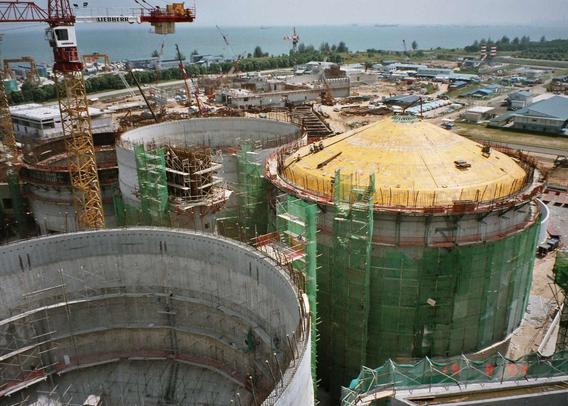
Es ist 20 Jahre her ... da wurden in Changi/Singapur 8 große Faultürme mit den Schalungen von RSB Formwork gebaut.
Hier ein paar interessante Details.
#rsbformwork #faulturm #digester #changi #singapore #wwtp #kläranlage #ingenieurbau
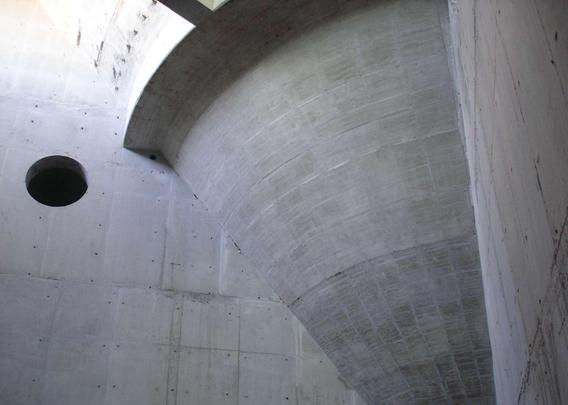
Wir bauen in Luxemburg einen neuen Faulturm:
- Durchmesser 11,0m mit aussenliegender Vorspannung
- Höhe 16,7m
- konisches Dach 1,8°
Nebenan wird dann noch ein Schlammstapelbehälter mit 8,0m Durchmesser gebaut.
#rsbformwork #tralux #luxemburg #faulturm #vorspannung #wwtp
 Tanguy Fardet
 RSB Formwork
 TaknikInc
 Leesu
Leesu