Everyone Says Don’t Work For Free, But I Ignored Them and It Paid Off
So you’ve gotten pretty good at photography. Now what? If you’re like a lot of people, the idea of turning this creative outlet into a career might sound like an enticing next step. Many of us struggle with how to get started though. It is especially challenging for genres like landscape and travel photography where there isn’t always a straightforward business model to replicate.
How do you get that first client? How do you get your foot in the door and start to break into this competitive industry?
It’s a bit of a catch-22, right? If companies only want to hire experienced photographers (which makes sense from their point of view), how do you get that first little bit of professional experience to show them? Should we just do some work for free and then try to leverage that into paid work in the future?
That logic always seemed pretty reasonable to me—not much different than an unpaid internship in college—but there are a lot of other, more experienced, photographers out there who are constantly saying:
" Don’t work for free! It undervalues the industry, you should be paid for your time, and once a company sees you as the free person they’re never going to pay you for future projects down the line."
And I heard that sentiment enough times that I honestly felt a bit stuck. I knew my work was good enough to start doing some paid jobs, but I didn’t really know how to pitch commercial project ideas without having done some client work in the past.
But while I was down exploring around Northern Arizona on an extended photography road trip this spring, I decided that at the very least I would send emails to some of the tourism boards in the area to see if they needed any photography work done. It was short notice, so I didn’t really even expect to get any responses back, but I didn’t have much to lose other than an afternoon spent on the computer instead of out shooting.
I sent short pitches to Visit Arizona, Visit Page, and Visit Sedona. The first two never got back to me, but Visit Sedona actually did. And they said something like (paraphrasing):
Thanks for your message. We’ve already allocated our budget for the year, but let us know if you get any cool photos while you’re down here and we’d love to feature them on our Instagram page.
Okay, well not really what I was looking for, but hey, at least they responded. Maybe we could go from there.
So I thought about it for a few minutes and realized: okay, they don’t have any money for photo work right now, but that’s really not what I’m looking for in the short term. I have a day job; I can pay the bills. What I really want, is 1) the experience of working on assignment for a travel client, and 2) the ability to be able to say that I’ve done that before. To be able to say “I’ve worked with clients like Visit Sedona” in future pitches.
But perhaps we could come up with an arrangement where we accomplish all of that and they still get some photos that they can use. It just won’t be a paid gig.
Basically an unpaid internship, even if just for a few days.
So I replied back and said essentially that. Probably terrible from a negotiation standpoint, but I kind of just laid all my cards on the table and said all of that. That I’m pretty new to this on the commercial side of things. That I’m much more interested in the experience and building up a client list and a resume than in getting paid for a given shoot at the moment. So… How about I come shoot more or less on assignment for a couple days for free? And then I’ll show you the photos and if there are any you like, I’ll license two of them to you for free in return for the experience and for being able to list you down the road as a past client.
And they said: Yeah that works for us. If you get any images we like and want to use, we’d be happy to let you list us as a past client in return.
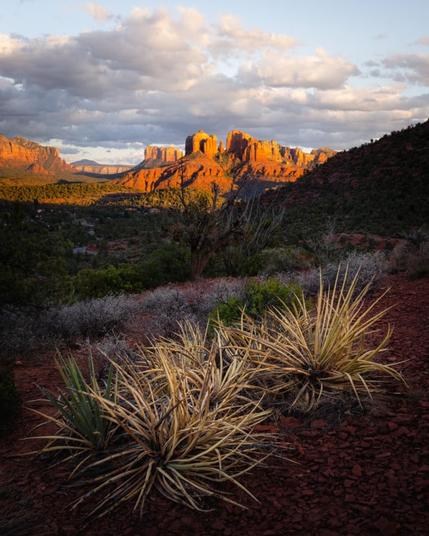
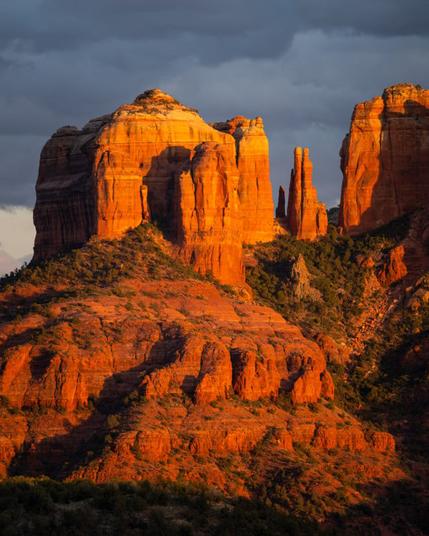
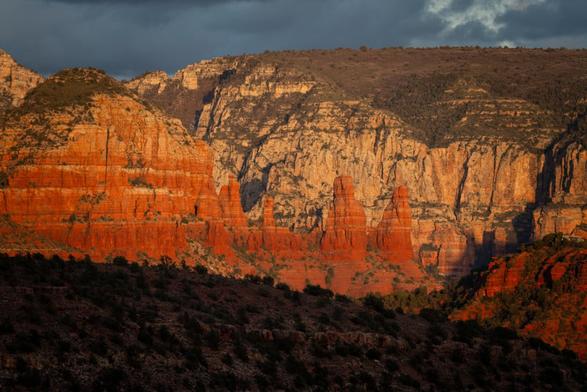
I made a whole video at the time documenting that experience where I was shooting on assignment, even if it wasn’t paid. You can watch it to see the whole process if you’d like, but essentially I was able to make a handful of photos that I thought were good. Some definitely better than others, but it was the kind of work that I would have been proud to be paid to do on assignment.
When I posted that video back in April, that’s kind of where the story ended, but then things start to get interesting.
I’d sent the photos over and they loved them and chose two for licensing. All is well at that point and in my mind, I now have -- more or less -- a legitimate past client that I can include on future pitches. It’s kind of a gray area and I’ll have to be careful how I word it, since I wasn’t paid, but I did work for them, more or less on assignment, and they were happy with the results. And most importantly, they said I could list them as a past client.
But then a few months later, I get another email, this time from someone else at the tourism board:
"Hey, I’m looking for photos to license. Would you mind showing me the rest of the images you got while you were down here in the spring?"
Okay. Let’s see where this could go.
So I replied: "Of course! Here’s the album online that I showed to the previous person. Let me know if you see anything in there that would work for you, and we can go from there."
I immediately start frantically Googling to figure out what the heck I should charge if they come back asking about prices, because I have no idea and no one ever really seems to talk specifics on pricing photography online.
Don’t worry, I’ll tell you the exact dollar amounts in a minute.
It turns out there is really not a single good way to price images. A lot of sources recommend the Getty Images Pricing Calculator, but that doesn’t seem to exist anymore as they move more and more towards royalty-free licensing. But I do find a few data points here and there that make me feel like I can at least be in somewhat of a ballpark for starting negotiations if they want to license any.
And around then, I get an email back: "Okay, I’ve selected 8 that we’re interested in licensing. How much would that cost?"
Eight! That’s amazing! Plus it means that they must actually like my photos, which is great too.
Okay, I’ll just throw out a number and see if they bite:
"Perfect. For the kind of usage you’re looking at, that will be $300 per image, for a total of $2400. If that works for you, let me know and I’ll send over an invoice."
Keep in mind, I don’t really know how to send over an invoice at this point, but for $2,400, we’ll sure be able to figure that out.
So I’ve basically sweated through my shirt at this point, nervous that they’re going to reply back, basically laughing in my face, and say something like, "Oh okay. We always pay $5 per image for this kind of thing, but thanks anyway."
Remember, I don’t really know what the market rate is for something like this or whether an organization like Visit Sedona has that kind of budget for a handful of photos when they could probably get something else for a lot cheaper on microstock websites. And who am I to ask for thousands of dollars for a few jpegs? Maybe I shouldn’t have even tried to make money from photography in the first place…
I went down the spiral like that, getting a little bit negative and a little bit insecure with each passing moment, and then I got a response:
"Perfect! I’ll have finance send you a check."
Wait. This is actually happening? $2400? For a few photos I took over a weekend?
Licensed Exclusively to Sedona Chamber of Commerce & Tourism Bureau on 6/2/2021 for indefinite use across any channels and purposes.
I know there are a lot of photographers who make a whole lot more than that on a given shoot, but from my perspective, that’s real money. That’s pretty amazing.
I obviously figured out how to send an invoice and now I can legitimately list Visit Sedona as a past client -- a past paid client -- and on top of that, I learned an absolute ton from the experience, which was probably even more valuable than the check I got in the mail.
So I still don’t know if you should work for free in the photography industry or not. This is just one anecdote and maybe I just got lucky there, but I wanted to share that story to add to the conversation. To at least share that sometimes it might not be such a bad idea.
Maybe it’s worth trying at the very least.
About the author: Brian Lackey is a part-time outdoor and travel photographer based in Seattle, Washington. To contact Brian or view more of his work, visit his website at brianwlackey.com.
#editorial #features #tips #brianlackey #experience #exposure #howto #landscapephotographer #landscapephotography #travel #travelphotography #workforexposure #workforfree
 💧🌏 Greg Cocks
 Monarkie 🎹🎤
 Ted KASSO
 Promoted by your boss
 diyphotography (unofficial)

 petapixel (unofficial)