Hier ist Folge dl048: vesuv challenge. Wir schauen uns an, wie ein Wettbewerb 2023 dabei geholfen hat, dass künftig Schriftrollen entziffert werden können, die vor fast 2000 Jahren bei einem Vulkanausbruch verschüttet und verkohlt wurden. Welche Voraussetzungen braucht es? Was kann Machine Learning hier leisten? Was konnte erreicht werden?
#podcast #dataScience #vesuviusChallenge #MachineLearning
https://www.datenleben.de/index.php/2024/03/30/dl048-vesuv-challenge/
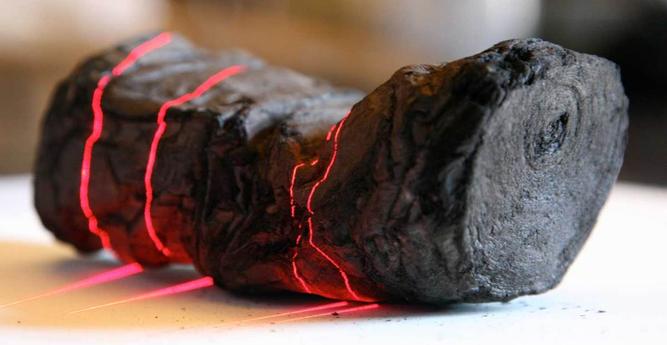
Wie werden 2000 Jahre alte Texte wieder lesbar? Vor fast 2000 Jahren wurde eine antike Bibliothek bei einem Vulkanausbruch verschüttet -- und jetzt ist es vorstellbar, dass die damals beschädigten Schriftrollen trotz ihres Zustandes gelesen werden können. Wir beschäftigen uns mit der Vesuv Challenge, einem Wettbewerb, der 2023 dazu aufgerufen hat mit Machine Learning Methoden die Texte wieder lesbar zu machen. Welche Voraussetzungen braucht es, damit derart beschädigte Papyri mit digitalen Methoden erschlossen werden können? Welche Machine Learning Methoden können eingesetzt werden? Und gleichzeitig ist auch die Frage: Was werden wir zu lesen bekommen?
New podcast episode!
We talked to one of the leads on the Vesuvius Challenge, which is driving the efforts to read the carbonized scrolls from Herculaneum. This is a fascinating project and producing really exciting results, and we very much enjoyed our in-depth discussion with Stephen Parsons about his work and the potential for future discoveries.
http://alliterative.net/podcast/2024/03/31/episode-121-the-vesuvius-challenge-with-stephen-parsons
#podcast #herculaneum #classics #papyrus #pompeii #vesuviuschallenge #DigitalHumanities
Buried deep under volcanic ash lie hundreds of burnt scrolls containing texts from the first century. A new project is driving the work to try to read these chunks of carbon, to uncover new works and open new doors into the past. We spoke to one of the leaders of this project, Dr. Stephen Parsons, a
Who won the #VesuviusChallenge2023? - Youssef Nader, Luke Farritor, and Julian Schilliger (congrats!).
What #VesuviusChallenge, you ask? 🤔
It's all about implementing #MachineLearning in #archaeology to help making ancient carbonised papyrus scrolls readable again:
I posted a while back about how they'd decoded words in some ancient carbonised papyri from Pompeii. Back then, they were very exicted because they'd deciphered one word: purple.
Now, they've deciphered 2,000 words. Two thousand!
Nel 79 d.C. l'eruzione del Vesuvio seppellì Ercolano e la sua biblioteca di papiri. Per secoli, questi rotoli carbonizzati sono stati un mistero indecifrabile. A oltre anni dalla definizione di una strategia e a 10 mesi dall'istituzione di un concorso scientifico, oggi abbiamo i vincitori della Vesuvius Challenge e i primi testi svelati. Un evento straordinario, ed è solo l'inizio.
#VesuviusChallenge #StoriaAntica #pompei #ercolano #intelligenzaartificiale #filodemo
"On Monday, Nat Friedman, a US tech executive and founding sponsor of the challenge, announced that a team of three computer-savvy students, Youssef Nader in Germany, Luke Farritor in the US, and Julian Schilliger in Switzerland, had won the $700,000 (£554,000) grand prize after reading more than 2,000 Greek letters from the scroll."