One of the World’s Most Popular Weedkillers May Be Fueling Deadly Superbugs
Scientists have uncovered evidence that one of the world’s most widely used weedkillers may also help dangerous bacteria survive antibiotic treatments.
🤔 "The future of agriculture is in... dirt! Introducing PathoGene, the revolutionary new way to grow your food using GENETICALLY MODIFIED SOIL BACTERIA. Say goodbye to pests and diseases and hello to bigger, healthier crops. #innovation#farming#soilbacteria" #BusinessIdea#Business#Ai#Llm#LlaMA2
Tree and shrub richness modifies subtropical tree productivity by regulating the diversity and community composition of soil bacteria and archaea - Microbiome
Background Declines in plant biodiversity often have negative consequences for plant community productivity, and it becomes increasingly acknowledged that this may be driven by shifts in soil microbial communities. So far, the role of fungal communities in driving tree diversity-productivity relationships has been well assessed in forests. However, the role of bacteria and archaea, which are also highly abundant in forest soils and perform pivotal ecosystem functions, has been less investigated in this context. Here, we investigated how tree and shrub richness affects stand-level tree productivity by regulating bacterial and archaeal community diversity and composition. We used a landscape-scale, subtropical tree biodiversity experiment (BEF-China) where tree (1, 2, or 4 species) and shrub richness (0, 2, 4, 8 species) were modified. Results Our findings indicated a noteworthy decline in soil bacterial α-diversity as tree species richness increased from monoculture to 2- and 4- tree species mixtures, but a significant increase in archaeal α-diversity. Additionally, we observed that the impact of shrub species richness on microbial α-diversity was largely dependent on the level of tree species richness. The increase in tree species richness greatly reduced the variability in bacterial community composition and the complexity of co-occurrence network, but this effect was marginal for archaea. Both tree and shrub species richness increased the stand-level tree productivity by regulating the diversity and composition of bacterial community and archaeal diversity, with the effects being mediated via increases in soil C:N ratios. Conclusions Our findings provide insight into the importance of bacterial and archaeal communities in driving the relationship between plant diversity and productivity in subtropical forests and highlight the necessity for a better understanding of prokaryotic communities in forest soils. Video Abstract
 GaiaCrisisPhil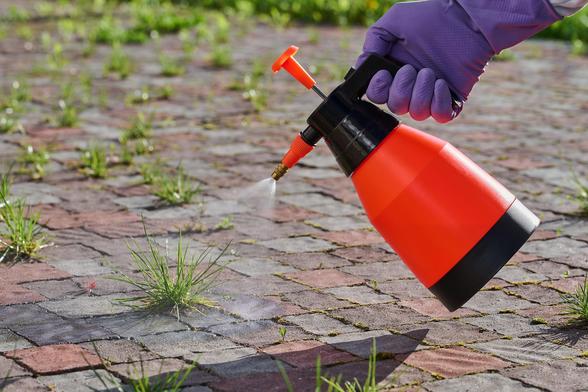
 Journal of Plant Ecology
 NIOO-KNAW
 Idiot Business
 Teresita Porter 🙋🏻♀️
 node9 film