Weekly output: Snapdragon Windows software compatibility, Qualcomm’s connected-car ambitions, Snap Spectacles ’24, Mark Vena podcast, Bluesky business plans, Qualcomm 8-core Snapdragon X Plus benchmarking, election security
Before I get to my usual list of what got published under my name this week, I need to vent about what did not get published by the Washington Post this week: the endorsement of Kamala Harris that, by multiple accounts, was quashed by imported-from-London publisher Will Lewis at the direction of owner Jeff Bezos. The insultingly vapid explanation by Lewis can only be read as Bezos attempting to grovel for a lesser spot for his businesses on Donald Trump’s enemies list.
This is a craven betrayal of the legacy of Katharine Graham, who defied the threats of Richard Nixon and his lackeys while the Post published the Pentagon Papers and documented Nixon’s Watergate crimes.
Jeff Bezos, you are no Kay Graham.
10/22/2024: Qualcomm Moves to Ease Windows on Snapdragon Compatibility Concerns, PCMag
My first post from Qualcomm’s Snapdragon Summit covered a series of moves to address one lingering concern of that company’s rollout of fast and battery-friendly laptop processors: compatibility with existing Windows apps and peripherals. Reminder: Qualcomm covered my airfare and lodging on this trip.
10/24/2024: Qualcomm Revs Up Connected-Car Ambitions at Snapdragon Summit, PCMag
Then I filed a much longer post unpacking Qualcomm’s pitch to automakers to use its connected-car platforms. It was weird to see the only in-person endorsements from automakers in Qualcomm’s day-two keynote come from Chinese manufacturers.
10/25/2024: Snap Spectacles ’24 First Look: AR Glasses That Aren’t Vaporware, PCMag
I tried out these augmented-reality glasses Monday afternoon but didn’t have time to write about them until Thursday morning–the first-world problem of being at a conference with a packed schedule six time zones to the left of my editors.
10/25/2024: Ep 70 SmartTechCheck Moment — Ruminations on Qualcomm’s Snapdragon Summit 2024 in Hawaii, Mark Vena
I joined my industry-analyst pal Mark Vena and other analysts Mike Feibus, Francis Sideco and Dave Altavilla to record a podcast from a lawn at the Wailea Beach Resort, Qualcomm’s venue for the summit.
10/25/2024: Bluesky Readies Subscription Option, Says It Won’t Be Like X Premium, PCMag
I hustled to write this short post from Maui’s airport before a flight to Los Angeles that I didn’t even realize would have no WiFi for most of the flight over the Pacific.
10/27/2024: Qualcomm’s 8-Core Snapdragon X Plus, Tested: A Competitive, Cheaper Chip, PCMag
The research for this post began with a benchmarking session Qualcomm hosted at IFA about seven weeks ago, after which my editor and I were respectively slammed with travel and other schedule conflicts–while, conveniently enough, laptops with these new processors had not yet shipped.
10/27/2024: Election security, Alaraby
I appeared via Zoom on this Arabic-language news channel to share some details from my experience as an Arlington County poll worker.
Updated 10/28/2024 to add a link to my TV hit.
#benchmarks #Bluesky #connectedCars #electionSecurity #Hawaii #MarkVena #Maui #pollWorker #Qualcomm #SnapSpectacles #SnapChat #SnapdragonSummit #SnapdragonX #X #Xitter
 BGDon 🇨🇦 🇺🇸 👨💻
 Rob Pegoraro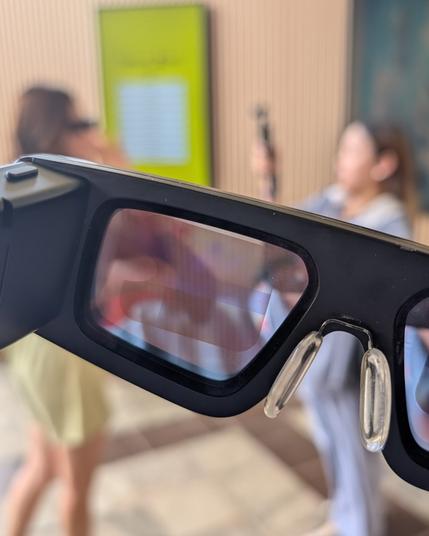
 TechCrunch | Startup and Technology News
 Mela News

 LocalJoost 🥽

 Unofficial PetaPixel Bot
 DiplDes_AR
 Iain Farrell


 FF255 🇫🇷 🇪🇺