 Dr Mircea Zloteanu 🌺🌞🍃
#statstab #471 Analysis Resources for N-of-1 research
Thoughts: Some cool and some questionable stuff, but a good place to start looking.
#Nof1 #analysis #resources #estimand #methods #sced #stats #smallsample #scd
#statstab #471 Analysis Resources for N-of-1 research
Thoughts: Some cool and some questionable stuff, but a good place to start looking.
#Nof1 #analysis #resources #estimand #methods #sced #stats #smallsample #scd
#statstab #448 {metaforest} Small sample meta-analysis
Thoughts: "a machine-learning based, exploratory approach to identify relevant moderators in meta-analysis"
#ML #MachineLearning #metaanalysis #smallsample #samplesize #heterogeneity #moderator
https://cjvanlissa.github.io/metaforest/articles/Introduction_to_metaforest.html
#statstab #448 {metaforest} Small sample meta-analysis
Thoughts: "a machine-learning based, exploratory approach to identify relevant moderators in meta-analysis"
#ML #MachineLearning #metaanalysis #smallsample #samplesize #heterogeneity #moderator
https://cjvanlissa.github.io/metaforest/articles/Introduction_to_metaforest.html
#statstab #319 Small Sample Size Solutions [book]
Thoughts: This should just be the default text for psychologists, as most research fits the "small sample" label.
#smallsample #book #guide #bayesian #permutation #sem #metaanalysis #nof1 #missingdata
#statstab #318 Simple permutation tests in R
by #MacTheobio
Thoughts: A very good small sample problem solution is using permutation tests. But, there are various ways to conduct these.
#permutation #randomization #montecarlo #R #smallsample
https://mac-theobio.github.io/QMEE/lectures/permutation_examples.notes.html
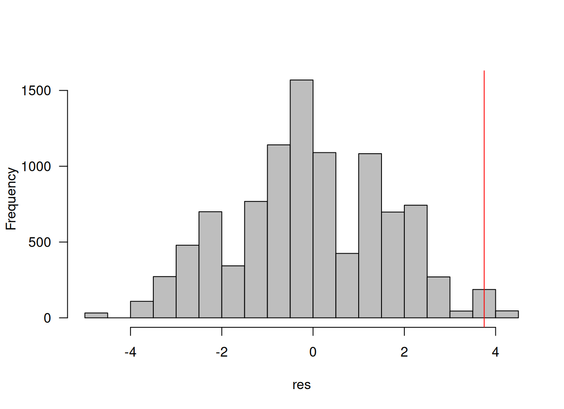
#statstab #220 Small is beautiful: In defense of the small-N design
Thoughts: "high power and inferential validity of the small-N design, in contrast to the lower power and inferential indeterminacy of the large-N design"

The dominant paradigm for inference in psychology is a null-hypothesis significance testing one. Recently, the foundations of this paradigm have been shaken by several notable replication failures. One recommendation to remedy the replication crisis is to collect larger samples of participants. We argue that this recommendation misses a critical point, which is that increasing sample size will not remedy psychology’s lack of strong measurement, lack of strong theories and models, and lack of effective experimental control over error variance. In contrast, there is a long history of research in psychology employing small-N designs that treats the individual participant as the replication unit, which addresses each of these failings, and which produces results that are robust and readily replicated. We illustrate the properties of small-N and large-N designs using a simulated paradigm investigating the stage structure of response times. Our simulations highlight the high power and inferential validity of the small-N design, in contrast to the lower power and inferential indeterminacy of the large-N design. We argue that, if psychology is to be a mature quantitative science, then its primary theoretical aim should be to investigate systematic, functional relationships as they are manifested at the individual participant level and that, wherever possible, it should use methods that are optimized to identify relationships of this kind.
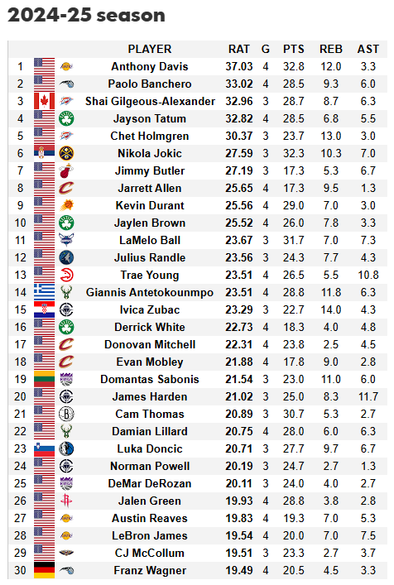
Paolo Banchero moves to No. 2 in HoopsHype's Global Rating.
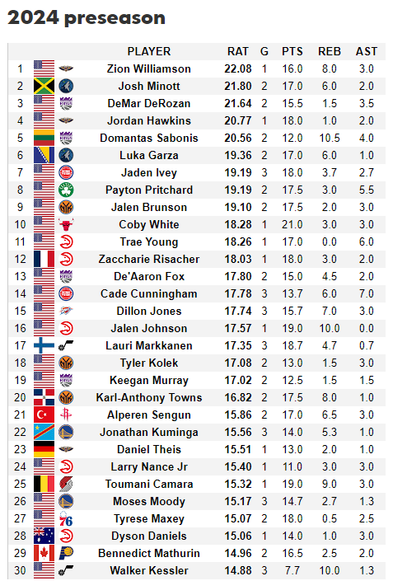
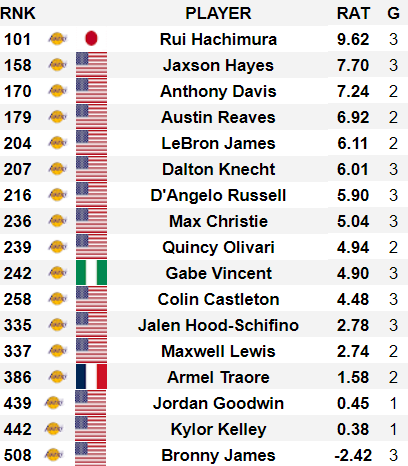
Only two international players in the Top 13. #SmallSample
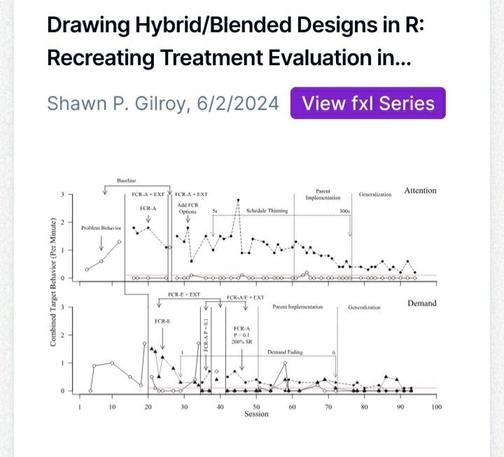
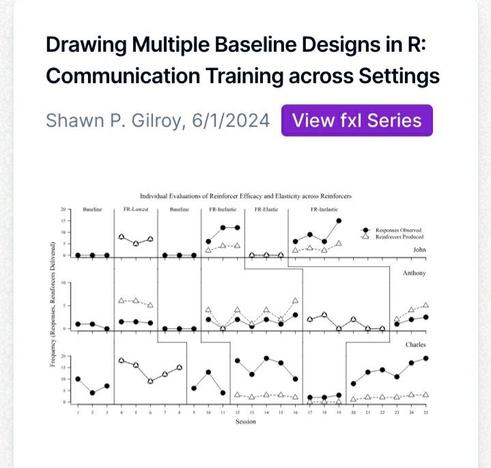
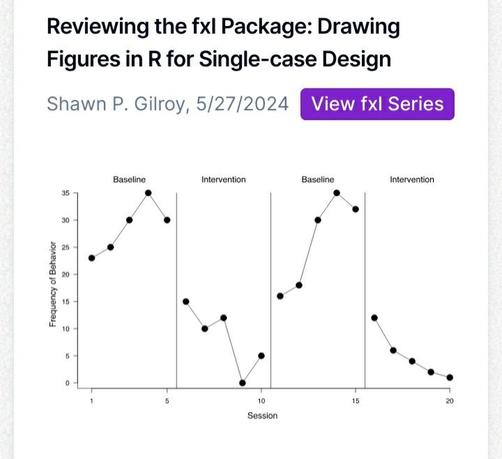
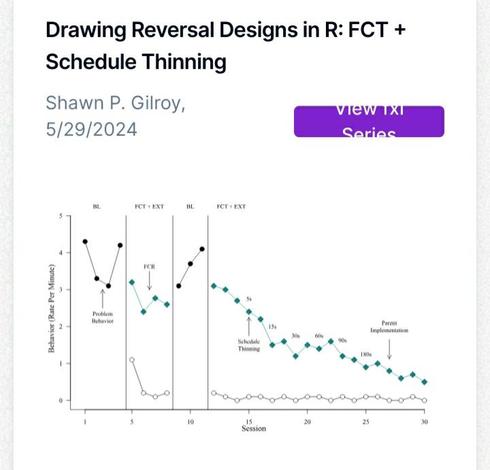
#statstab #154 {fxl} package for plotting Single Case Designs (SCD)
Thoughts: SCDs and SCEDs are very underused in Psychology. Since I've discovered them I've promoted their use. Here, some nice (publication level) plots.


 HoopsHype 🤖