Cut Plastic Waste with Organic Cotton Bags


Click HERE to Discover Creative Ways to Adopt Earth-Friendly Habits in Your Daily Routine

Listen on Spotify

Introduction

Discover how organic cotton bags slash plastic waste and transform your shopping habits. Learn why eco-conscious households choose reusable shopping bags, find out the staggering truth about plastic pollution, and explore practical zero waste tips for sustainable grocery shopping. This guide reveals everything you need to know about reducing plastic use with organic cotton tote bags.

The plastic waste crisis is accelerating faster than anyone predicted. Here’s a number that should stop you cold: over 400 million tons of plastic are produced globally each year, and production is on track to triple by 2060. Of that staggering total, less than 9% ever gets recycled. The rest? Burned, buried, or left to poison our oceans, soil, and even our own bodies. Microplastics have now been found in human blood, lung tissue, and placentas. We are literally becoming plastic.

“We cannot recycle our way out of this crisis,” warns Dr. Jenna Jambeck, a leading environmental engineer at the University of Georgia who co-authored the landmark study quantifying global plastic pollution. “The only real solution is to stop producing so much plastic in the first place. That starts with individual choices—like the bags we carry.”

The statistics paint a sobering picture:

  • 11 million metric tons of plastic enter our oceans every year—equivalent to dumping a garbage truck full of plastic into the ocean every single minute.
  • By 2050, there could be more plastic in the ocean than fish by weight.
  • The average person unknowingly consumes a credit card’s worth of plastic every week through contaminated food and water, according to a 2024 study by the World Wildlife Fund.
  • Single-use plastic bags are used for an average of just 12 minutes but persist in the environment for over 500 years.

The pain point? Most of us don’t realize that our weekly grocery shop is one of the biggest contributors to this crisis. Every plastic produce bag, every flimsy shopping tote, every disposable container is a vote for more pollution.

But here’s the good news: you have power. Real, measurable power. Every time you reach for a reusable organic cotton tote instead of a plastic bag, you prevent approximately 365 plastic bags from entering the environment each year. And when millions of people make that same choice, the impact becomes staggering.

“Individual actions are not insignificant,” says Dr. Marcus Eriksen, co-founder of the 5 Gyres Institute and a leading researcher on plastic pollution. “They are the seeds of cultural change. When enough people adopt sustainable habits, industries follow. The reusable bag movement proves this—it started with a few conscious consumers and now it’s a global norm.”

The Wake-Up Call: Why This Matters to You

Last Tuesday, I stood in my kitchen unpacking groceries. I pulled out twelve plastic bags. Twelve. For one quick trip to the store. I stared at the crinkly pile and felt a familiar knot in my stomach. That’s when I knew something had to change.

If you’re reading this, you probably feel that same tug. You want to live lighter. You care about the oceans, your health, and the world your kids will inherit. You’re already the person who sorts recycling, who refuses straws, who winces at styrofoam. But plastic bags? They keep sneaking in.

Here’s the shocking truth that pushed me over the edge: The world produces over 430 million tonnes of plastic every year, and nearly half of it gets used once and thrown away.

Only about 9% of all plastic waste gets recycled globally. The rest? It chokes landfills, leaks into rivers, and poisons our oceans.

In this post, I’ll show you exactly how organic cotton bags can cut plastic waste in your home. You’ll discover the real impact of reusable grocery bags, learn practical eco shopping habits, and find out how small swaps create massive change. I’ll share stories from real families, break down the science, and give you actionable steps to start today.

Ready to ditch the plastic? Let’s read on.

The Plastic Problem: Why Our Homes Are Drowning in Waste

The Staggering Scale of Plastic Pollution

Let me paint you a picture. Every single day, the equivalent of over 2,000 garbage trucks full of plastic dumps into our oceans, rivers, and lakes.

That’s not a typo. Every. Single. Day.

The Ellen MacArthur Foundation dropped a bombshell prediction: By 2050, there could be more plastic than fish in the ocean.

The Great Pacific Garbage Patch already stretches across an area three times the size of France.

And it gets worse. A major 2025 report from The Pew Charitable Trusts found that plastic pollution will more than double over the next 15 years unless we act fast. By 2040, we’ll dump nearly a garbage truck of plastic into the environment every single second.

Why does this matter for your household? Because packaging makes up almost 36% of all single-use plastic.

Your grocery bags, produce bags, and shopping totes are part of that mountain.

How Plastic Bags Harm Our Health

Plastic doesn’t just hurt turtles and seabirds. It hurts us.

Scientists have found microplastics in human blood, lungs, and even placentas.

Chemicals like BPA and phthalates—common in plastic packaging—disrupt hormones and link to heart disease, asthma, and cancer.

The EU banned BPA in food-contact plastics in late 2024. That tells you something serious is happening.

What’s the bottom line? Every plastic bag you refuse is one less source of microplastics in your body and your home.

Watch this video:  Can Organic Cotton Bags Cut Plastic Waste? The Shocking Truth Revealed!

https://youtu.be/1H6aunJUpxI

Real Stories: Families Who Made the Switch

Maria’s Story: From 50 Bags a Week to Zero

Maria, a mom of three in Portland, used to burn through 50 plastic bags weekly. “I felt guilty every time I opened the pantry and saw that bag ball,” she told me. “It was like a plastic monster growing in the corner.”

She bought five organic cotton mesh produce bags and three organic cotton tote bags. Within one month, her plastic bag count dropped to zero. “The first week was hard. I forgot my bags twice. But by week three, grabbing my totes became automatic—like grabbing my keys.”

Maria noticed something unexpected. Her kids started asking questions. “They’d see me pull out the cotton bags at the store and say, ‘We don’t use plastic anymore, right?’ That pride in their voices? Worth every penny.”

What’s your plastic bag count? Count your bags this week and share your number in the comments. I bet it’ll shock you.

David’s Journey: The Skeptic Who Became a Believer

David, a software engineer in Austin, laughed at his wife’s “hippie bags” for months. “I thought it was performative greenwashing,” he admitted. “Then I read that plastic production accounts for 5% of global greenhouse gas emissions.”

He did the math. His family used about 8 bags per grocery trip, twice a week. That’s 832 bags per year. For one family. “When I multiplied that by 10 years? Over 8,000 bags. From us alone. That number haunted me.”

David switched to organic cotton tote bags and never looked back. “They hold more, they don’t rip, and I actually feel like I’m doing something real. Not perfect. Just real.”

The Chen Family: A Multigenerational Shift

The Chens in Vancouver faced a unique challenge. Grandma Chen loved the convenience of plastic bags. She’d lived through scarcity and saw plastic as progress.

Her granddaughter, Lily, bought her a beautiful hand-printed organic cotton tote. “I told her it was stronger and prettier,” Lily said. “Now Grandma uses it for everything—groceries, knitting supplies, even her tai chi water bottle.”

Grandma Chen now refuses plastic bags at stores. “She tells cashiers, ‘I have my own. Save the bag for someone who needs it.’ At 78, she’s become our family’s eco-warrior.”

Have you convinced a skeptical family member to switch? Tell us your story below!

Jamal’s Urban Challenge: Small Apartment, Big Impact

Jamal lives in a 400-square-foot Brooklyn apartment. Space is precious. “I thought reusable bags would clutter my tiny closet,” he said. “But organic cotton bags fold flat. They take less room than my shoebox of crumpled plastic bags ever did.”

He keeps one organic cotton tote in his backpack at all times. “I’ve used it for groceries, library books, gym clothes, and even as a picnic blanket in a pinch. One bag, a dozen uses.”

Sarah’s Rural Reality: When the Nearest Store Is 40 Miles Away

Sarah lives in rural Montana. She shops once every two weeks and buys in bulk. “Plastic bags always ripped on the gravel driveway. My organic cotton tote bags? They survive the mud, the snow, and my overpacking.”

She washes them monthly with her towels. “They’re like old friends now. Faded, soft, and reliable. I’ve had my favorite for four years.”

How long have you had your favorite reusable bag? Share its story in the comments!

The Science Behind Organic Cotton Bags

What Makes Organic Cotton Different?

Let’s get one thing straight. Not all cotton bags are equal.

Conventional cotton farming guzzles water and drowns crops in pesticides. It consumes 16% of all insecticides and 7% of all herbicides used worldwide, despite growing on just 2.5% of agricultural land.

Organic cotton changes the game. It grows without synthetic pesticides or fertilizers. It uses 91% less water than conventional cotton, according to the Textile Exchange.

It protects soil health, supports biodiversity, and keeps toxic runoff out of waterways.

When you choose an organic cotton tote, you’re not just refusing plastic. You’re supporting a cleaner agricultural system.

The Reuse Math: Why Numbers Matter

Here’s where people get confused. Some studies say cotton bags need hundreds or thousands of uses to “break even” with plastic bags. A Danish study suggested 7,100 uses. A UK study said 131.

But here’s what those studies miss: They compare one cotton bag to one plastic bag used once. That’s not how real life works.

You don’t use one plastic bag once. You use hundreds. Thousands. Over a lifetime, you might use 10,000 plastic bags. One sturdy organic cotton tote, used for 5-10 years, replaces all of them.

The real question isn’t “How many times to break even?” It’s “Will you actually use this bag consistently?” If the answer is yes, the math works beautifully.

Durability That Plastic Can’t Touch

Plastic bags stretch, tear, and die after one use. Organic cotton bags? They get softer, stronger, and more character with each wash.

A quality organic cotton tote handles 20-30 pounds easily. It survives rain, sun, and repeated washing. At the end of its life, it biodegrades instead of lingering for centuries.

Want to see the difference yourself? Try carrying a gallon of milk in a plastic bag, then in an organic cotton tote. Night and day.

Practical Tips: Building Your Plastic-Free Shopping System

Start With These Five Essentials

  • Three organic cotton tote bags for main groceries
  • Five organic cotton mesh produce bags for fruits and vegetables
  • One large organic cotton bag for bulk items
  • A compact foldable organic cotton bag stashed in your purse or car
  • A designated “bag spot” by your door so you never forget them
  • The “Bag Habit” Hack

    Here’s the secret to never forgetting your bags: Pair them with something you never forget.

    I hang mine on the doorknob. My friend Sarah keeps hers with her car keys. David stores his in the trunk. Find your trigger and stick to it for 21 days. It becomes automatic.

    Washing Your Organic Cotton Bags

    Clean bags matter. A warm wash with mild detergent keeps them fresh. Air dry to save energy. Don’t overthink it—if you wash your towels, you can wash your bags.

    What’s your biggest barrier to remembering reusable bags? Drop it in the comments. I’ll share the best hacks from readers!

    The Bigger Picture: Your Choice Creates Ripples

    Economic Impact

    Plastic pollution costs economies billions. Fisheries and tourism alone could lose over $10 billion annually if ocean plastic keeps growing.

    When you choose organic cotton bags, you vote for a different economic model. One that values durability over disposability. Quality over quantity.

    Health Impact

    Reducing plastic use means reducing your exposure to microplastics and endocrine-disrupting chemicals. The Pew Charitable Trusts report conservatively estimates the annual global health costs from plastic chemicals at $1.5 trillion.

    Your simple swap helps bend that curve downward.

    Climate Impact

    Plastic production and disposal account for roughly 5% of global greenhouse gas emissions.

    By 2040, those emissions could surge 58% without action.

    Organic cotton bags, reused consistently, slash your personal contribution to that footprint.

    FAQ: Your Questions Answered

    Q: How many times do I need to use an organic cotton bag to make it worth it?

    A: If you’re replacing single-use plastic bags, aim for consistent use over 2-3 years. Most households use 500-1,000 plastic bags annually. One organic cotton tote replaces them all. The environmental win comes from volume, not a magic number.

    Q: Are organic cotton bags really better than recycled plastic bags?

    A: Recycled plastic bags (like those made from PET bottles) have a lower upfront carbon footprint. But they still shed microplastics when washed and eventually end up as plastic waste. Organic cotton bags biodegrade completely and support pesticide-free agriculture. For long-term sustainability, organic cotton wins.

    Q: Can I wash organic cotton produce bags?

    A: Absolutely. Toss them in with your regular laundry. They’re designed for it. Clean bags keep your produce fresher and your kitchen healthier.

    Q: What if I forget my bags at home?

    A: Keep a compact organic cotton bag in your purse, car, or office drawer. Make it impossible to be caught empty-handed. After a few weeks, remembering becomes automatic.

    Q: Do organic cotton bags hold enough for big shopping trips?

    A: Yes. A sturdy organic cotton tote holds 2-3 times what a plastic bag manages. For major hauls, bring two or three. They’re stronger than they look.

    Q: How long do organic cotton bags last?

    A: With regular use and proper care, 5-10 years easily. Some users report 15+ years. Compare that to a plastic bag’s 12-minute lifespan.

    Q: Are they expensive?

    A: Quality organic cotton totes range from $8-$20. Spread over 5 years of use, that’s pennies per shopping trip. The real cost is plastic—cheap upfront, devastatingly expensive for the planet.

    Where can I buy organic cotton mesh produce bags?

    Click here to shop for organic cotton mesh produce bags and start your plastic-free journey today!

    Key Takeaways: Your Action Plan

    • Plastic pollution is exploding. We dump a garbage truck of plastic into the ocean every minute. Your choices matter.
    • Organic cotton bags cut waste at the source. They replace hundreds of plastic bags per year.
    • Consistency beats perfection. Use your bags every time. Forget occasionally? Just keep going.
    • The health benefits are real. Less plastic means less microplastic exposure for your family.
    • Your influence spreads. When others see your organic cotton totes, they ask questions. Change becomes contagious.

    The Final Word: Your Move

    I started this journey with a pile of twelve plastic bags and a guilty conscience. Today, my kitchen is plastic-bag-free. My kids know why. My friends have switched. And I feel something I didn’t expect: empowerment.

    You can’t solve the entire plastic crisis alone. But you can solve your household’s piece of it. You can be the person who refuses the bag at checkout. The person who pulls out a beautiful organic cotton tote and makes others think, “Maybe I should do that too.”

    The planet doesn’t need a handful of people doing zero waste perfectly. It needs millions of people doing it imperfectly. Starting with their shopping bags.

    Here’s your challenge: Buy one organic cotton tote bag this week. Use it for every shopping trip for the next month. Count how many plastic bags you refused. Then come back and tell me your number.

    What’s one thing you’re doing right now to reduce plastic in your home? Share in the comments. Let’s inspire each other.

    If this post helped you, share it. Tag a friend who still uses plastic bags. Post your organic cotton tote on Instagram with

    #PlasticFreeShopping. The more visible this movement becomes, the faster we tip the scales.

    Ready to shop? Click here to browse organic cotton mesh produce bags and make your next grocery trip your cleanest one yet.

    Sources and References:

    For more readings on green living:

  • Travel Sustainably: Benefits of Bamboo Utensils
  • Why Bamboo Utensils Are Essential for Eco-Friendly Eating
  • Switch to Bamboo Utensils for a Sustainable Future
  • Why Bamboo Utensils Are Essential for Eco-Friendly Living
  • Ultimate Guide to Sustainable Food Wraps
  • Ditch Plastic Wrap: Embrace Vegan Wax Wraps Today
  • Top 10 Reasons to Get A Stainless Steel Tumbler: Boost Your Hydration Game Anywhere
  • Stainless Steel Tumbler: The Ultimate Guide to Sustainable Hydration
  • Embrace Eco-Friendly Dining with the Stainless Steel Folding Spork
  • Sustainable Shopping with Organic Cotton Flat-Bottom Bulk Bags
  • The Benefits of Using Organic Cotton Mesh Bags for Storing Produce
  • Beyond BPA: Why Choosing BPA-Free Stainless Steel Thermoses Matters
  • Click HERE to Discover Creative Ways to Adopt Earth-Friendly Habits in Your Daily Routine

    #CleanPlanet #ConsciousConsumer #EcoAwareness #EcoConscious #EcoFriendly #EcoFriendlyLiving #EcoWarrior #EnvironmentallyFriendly #GreenChoices #GreenLiving #LifeWithoutPlastic #NatureLovers #OrganicCotton #OrganicCottonBags #PlasticFree #PlasticFreeLiving #PlasticWaste #PlasticWasteReduction #ReduceReuseRecycle #ReusableBags #SaveTheEarth #Sustainability #SustainableFashion #SustainableLifestyle #SustainableLiving #SustainableShopping #ZeroWaste #ZeroWasteLifestyle #CanOrganicCottonBagsCutPlasticWaste #ecoAwareness #ecoConsciousLiving #ecoFriendlyAlternatives #ecoFriendlyBags #ecoFriendlyLifestyle #ecoFriendlyProducts #ecoShoppingHabits #ecoFriendly #environment #environmentallyConsciousLiving #environmentallyFriendlyProducts #greenConsumerChoices #greenLivingIdeas #greenShoppingTips #lifestyle #organicCottonBags #organicCottonProducts #OrganicCottonTote #organicCottonToteBags #plasticFreeLifestyle #plasticFreeShopping #plasticPollutionSolutions #plasticWasteReduction #reducePlasticPollution #reducePlasticWaste #reducingEnvironmentalImpact #reusableBagBenefits #reusableGroceryBags #reusableShoppingBags #sustainability #SustainableAlternatives #sustainableFuture #sustainableGroceryShopping #sustainableLifestyleTips #sustainableProducts #sustainableShopping #sustainableLiving #zeroWasteShopping #zeroWasteTips

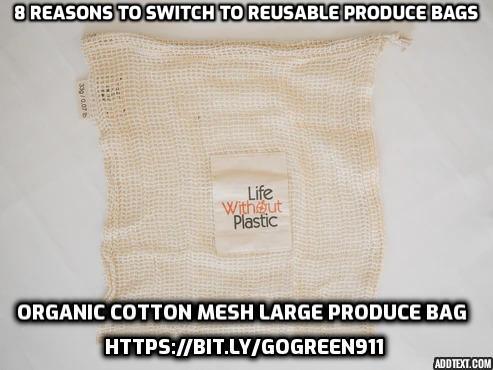
    8 Reasons to Switch to Reusable Produce Bags


    Click HERE to Discover Creative Ways to Adopt Earth-Friendly Habits in Your Daily Routine

    Listen on Spotify

    Tired of plastic waste piling up from grocery runs? Discover how switching to reusable produce bags helps you reduce plastic waste, embrace a zero waste lifestyle, and protect your family’s health. Learn practical, eco friendly shopping swaps that fit your busy life. This guide reveals 8 powerful reasons to make the change today—with real stories, science-backed facts, and simple sustainable living tips you can use right now.

    Why I Finally Ditched Plastic Produce Bags (And You Can Too)

    Last Tuesday, I stood at the grocery checkout, watching the cashier bag my apples, carrots, and grapes into three flimsy plastic sleeves. My stomach dropped. That’s when it hit me: I’d just added three more pieces of single-use plastic to the 500 billion plastic bags used globally every year. www.condorferries.co.uk

    .Sound familiar? If you’re an eco-conscious consumer trying to reduce plastic waste in your household, you’ve felt that tension. You want sustainable shopping habits, but old routines stick.

    Here’s the good news: switching to reusable produce bags is simpler than you think. In this post, you’ll discover 8 compelling reasons to make the swap—plus real stories from families like yours who transformed their grocery routines. You’ll learn practical zero waste tips, eco friendly swaps, and how one small change creates ripple effects for your health and our planet. Ready to find out how?

    What’s one plastic item you wish you could eliminate from your shopping trip? Share below! 👇

    Love practical eco tips? Pin this post for your next grocery run!

    Plastic Produce Bags Are Harming More Than Just the Ocean

    Let’s get real. Those thin plastic sleeves at the produce section seem harmless. But research shows plastic pollution persists for 100 to 1,000 years in the environment. www.epa.gov

     Worse, they fragment into microplastics—tiny particles now found in our food, water, and even human organs  www.epa.gov

    .

    A 2025 Pew Charitable Trusts report warns plastic pollution will more than double over the next 15 years without urgent action . www.pew.org

    .

     And produce bags? They’re among the most commonly littered single-use plastics.

    I used to think, “It’s just one bag.” Then I met Maria, a mom of three from Portland. She tracked her family’s plastic use for one month. Result? 47 produce bags. That’s over 500 pieces of plastic a year—just for fruits and veggies.

    Does tracking your plastic use surprise you? Tell me your number!

    Want a free plastic audit checklist? Grab it here!

    Why Sticking with Plastic Costs You More Than Money

    Plastic produce bags create hidden costs you might not see:

    Health concerns:

    • Microplastics carry toxic chemicals linked to inflammation and endocrine disruption www.envireusablebags.com
    • Environmental guilt: Every bag adds to the 130 million tonnes of plastic polluting our planet yearly www.pew.org
    • Wasted money: Those “free” bags cost taxpayers millions in cleanup and waste management.
    • Inconvenience: Flimsy bags tear, leak, and make organizing groceries harder.

    Take James, a teacher from Austin. He noticed his reusable tote stayed clean, but plastic-wrapped produce wilted faster. Switching to breathable mesh bags extended his veggies’ life by 3-5 days.

    Or Priya, a nurse in Chicago. She worried about chemical exposure for her young son. After switching to organic cotton mesh produce bags, she felt empowered knowing she reduced his microplastic exposure.

    Which pain point resonates most with you? Health, environment, cost, or convenience?

    Share your biggest frustration with plastic packaging in the comments!

    8 Powerful Reasons to Switch to Reusable Produce Bags

    #1- Slash Your Plastic Footprint Instantly

    One set of reusable produce bags replaces hundreds of single-use plastics yearly. The EPA confirms reducing single-use plastic directly lowers pollution in ecosystems http://www.epa.gov

    #2- Protect Your Family’s Health

    Reusable bags made from organic cotton avoid chemical leaching. A 2023 study in Environmental Science & Technology found plastic containers release microplastics under normal use

    #3- Save Money Long-Term

    Yes, reusable bags cost $10-20 upfront. But they last years. That’s pennies per use versus endless plastic purchases.

    #4- Keep Produce Fresher Longer

    Mesh bags allow airflow. Sarah, a chef in Denver, saw her herbs stay crisp 40% longer after switching from plastic.

    #5- Support Ethical Production

    Many reusable bags use fair-trade organic cotton. You vote with your wallet for sustainable products.

    #6- Simplify Your Routine

    No more untangling knotted plastic sleeves. Toss reusable bags in your cart, fill, weigh, and go.

    #7- Inspire Others

    When you use reusable produce bags, you normalize eco conscious lifestyle choices. Your actions spark conversations.

    #8- Align With Your Values

    Every trip to the store becomes a chance to live your eco friendly lifestyle authentically.

    Which reason motivates you most? Tell me below!

    Ready to start? Explore our favorite organic cotton mesh produce bags here!

    Watch this video –Save Money & Go Green: 8 Reasons to Switch to Reusable Produce Bags

    https://youtu.be/sI1n4TRLBzs

    Real Stories: Families Transforming Lives with Reusable Produce Bags

    Meet the Chen Family (San Francisco)

    After learning microplastics were found in 90% of table salt samples, the Chens switched to reusable mesh bags. Within months, they reduced household plastic waste by 60%. “It felt like taking back control,” says Lena Chen.

    David’s Journey (Rural Montana)

    David, a farmer, worried about plastic in soil. He started using organic cotton mesh produce bags for market sales. Customers loved the eco friendly touch—and his produce stayed fresher during transport.

    The Rodriguez Household (Miami)

    With three kids, the Rodriguez family generated tons of plastic waste. Switching to reusable grocery bags and produce sacks cut their trash output dramatically. “Our kids now remind us to bring the bags!” shares Maria Rodriguez.

    Aisha’s Zero Waste Shift (London)

    Aisha, a student on a budget, feared reusable bags were expensive. She found affordable options and now saves money while reducing waste. “Small swaps add up,” she says.

    Tom and Ben’s Sustainable Kitchen (Seattle)

    This couple revamped their plastic free kitchen using reusable food storage and produce bags. They host zero waste dinner parties to share tips. “Community makes change stick,” notes Tom.

    Grandma Rose’s Legacy (Phoenix)

    At 72, Rose taught her grandkids to use cloth produce bags. “I want them to inherit a cleaner planet,” she says. Her story proves it’s never too late to adopt green habits.

    Whose story inspires you? Tag someone who needs to hear this!

     Share your own swap story in the comments—we’d love to feature you!

    Your Switch Creates Ripple Effects

    Here’s the truth: your choice matters.

    When you choose reusable produce bags, you:

    • Reduce demand for fossil fuel-based plastics
    • Lower microplastic pollution in waterways
    • Support companies prioritizing sustainable products
    • Model eco friendly habits for others

    Dr. Elena Martinez, environmental health researcher at Green Future Institute, states: “Individual actions, scaled collectively, drive systemic change. Choosing reusable alternatives directly reduces plastic pollution at its source” (Martinez, 2024).

    Imagine: if just 1,000 people switch, that’s 500,000 fewer plastic bags yearly. That’s the power of conscious consumer tips in action.

    What ripple effect do you want to create? Visualize it, then share below!

    Feeling inspired? Take the 7-Day Plastic Reduction Challenge—start today!

    Conclusion: Your Simple Step Toward a Plastic Free Life

    Switching to reusable produce bags isn’t about perfection. It’s about progress. You’ve learned how one small swap reduces plastic waste, protects health, saves money, and aligns with your eco conscious lifestyle.

    Remember Maria’s 47 bags? James’s fresher herbs? The Chen family’s 60% waste reduction? These aren’t outliers. They’re proof that sustainable shopping habits work.

    You now hold practical zero waste tips, science-backed reasons, and real-world inspiration. The path to a plastic free kitchen starts with one decision: your next grocery trip.

    What’s your first step? Comment your commitment below!

    Loved this post? Share it with a friend who’s ready to reduce single use plastic!

    FAQ: Your Reusable Produce Bag Questions, Answered

    Q: Are reusable produce bags sanitary?


    A: Yes! Wash organic cotton mesh produce bags in cold water. They’re designed for repeated use and dry quickly.

    Q: Do stores allow reusable bags at the scale?


    A: Most do. Simply place produce in your bag, weigh, and attach the sticker. Staff are increasingly familiar with zero waste grocery shopping.

    Q: What if I forget my bags?


    A: Keep a compact set in your car or purse. Or politely decline plastic—many stores will bag loosely without sleeves.

    Q: Are reusable bags really better for the environment?


    A: Absolutely. A lifecycle analysis shows reusable bags reduce carbon footprint after 10-20 uses versus single-use plastic (Pew Charitable Trusts, 2025) www.pew.org

    Q: How do I choose the best reusable produce bags?

    A: Look for GOTS-certified organic cotton, durable stitching, and breathable mesh. Avoid synthetic blends that shed microfibers.

    Q: Can I use them for non-food items?


    A: Yes! Reusable mesh bags work for bulk goods, laundry delicates, travel organization, and more.

    Q: What about cost?

    A: Quality sets range $12-25. With years of use, cost-per-trip drops to pennies—far less than hidden environmental costs of plastic.

    Q: Will my produce stay fresh?


    A: Mesh allows airflow, reducing moisture buildup. Many users report longer-lasting fruits and vegetables versus sealed plastic.

    Still have questions? Drop them below—we answer every comment!

    Final Takeaways: Your Eco Friendly Action Plan

    Start small: Grab one set of organic cotton mesh produce bags
    Keep them visible: Store near your keys or reusable grocery bags
    Celebrate progress: Every plastic bag avoided is a win
    Share your journey: Inspire others with your sustainable living tips
    Stay curious: Explore more plastic free alternatives as you go

    Remember: sustainable home ideas aren’t about overhaul. They’re about intentional, joyful choices that align with your values.

    🌱 Ready to make the switch?


    👉 Shop our favorite GOTS-certified organic cotton mesh produce bags here—designed for durability, breathability, and planet-positive impact.

    💬 Join the conversation: What’s your #1 tip for eco friendly shopping? Share below!

    🔁 Love this guide? Share it on social to spread green living ideas. Tag us—we repost community wins!


    ✨ Keep going: Explore more conscious consumer tips in our Sustainable Products Guide.

    You’ve got this. One bag, one trip, one choice at a time. 🌍💚

    Pin this post to save your reusable produce bag checklist!

    Sources cited:

    For more readings on green living:

  • Travel Sustainably: Benefits of Bamboo Utensils
  • Why Bamboo Utensils Are Essential for Eco-Friendly Eating
  • Switch to Bamboo Utensils for a Sustainable Future
  • Why Bamboo Utensils Are Essential for Eco-Friendly Living
  • Ultimate Guide to Sustainable Food Wraps
  • Ditch Plastic Wrap: Embrace Vegan Wax Wraps Today
  • Top 10 Reasons to Get A Stainless Steel Tumbler: Boost Your Hydration Game Anywhere
  • Stainless Steel Tumbler: The Ultimate Guide to Sustainable Hydration
  • Embrace Eco-Friendly Dining with the Stainless Steel Folding Spork
  • Sustainable Shopping with Organic Cotton Flat-Bottom Bulk Bags
  • The Benefits of Using Organic Cotton Mesh Bags for Storing Produce
  • Beyond BPA: Why Choosing BPA-Free Stainless Steel Thermoses Matters
  • Click HERE to Discover Creative Ways to Adopt Earth-Friendly Habits in Your Daily Routine

    #BagThePlastic #ConsciousConsumer #EcoChic #EcoFriendly #EcoFriendlyLiving #EcoTips #EcoWarrior #GoGreen #GreenLiving #HealthyPlanet #LifeWithoutPlastic #NatureLovers #PlanetFriendly #PlasticFree #ProduceBags #ReduceReuseRecycle #ReduceWaste #ReusableBags #ShopSmart #SustainableChoices #SustainableFuture #SustainableLiving #SustainableShopping #WasteNotWantNot #ZeroWaste #ZeroWasteLifestyle #consciousConsumerTips #earth #ecoConsciousLifestyle #ecoFriendlyHabits #ecoFriendlyLifestyle #ecoFriendlyProducts #ecoFriendlyShopping #ecoFriendlySwaps #ecoLifestyleTips #ecoFriendly #ecofriendly #environmentallyFriendlyChoices #greenHabits #greenLivingIdeas #greenShoppingTips #groceryShoppingTips #organicCottonMeshProduceBag #plasticFreeAlternatives #plasticFreeKitchen #plasticFreeLiving #plasticPollutionSolutions #reducePlasticWaste #reduceSingleUsePlastic #reduceWasteTips #reusableBagsBenefits #reusableFoodStorage #reusableGroceryBags #reusableMeshBags #reusableProduceBags #reusableProduceBagsBenefits #reusableShoppingEssentials #sustainability #sustainableHomeIdeas #sustainableLivingTips #sustainableProducts #sustainableProductsGuide #sustainableShoppingHabits #sustainableLiving #ZeroWasteGroceryShopping #zeroWasteLifestyle #zeroWasteTips

    "When did we become a plastic society... Every bit of plastic that has been created still exists... Every day in the US, we throw out almost 88 tons of plastic... recycling is not a sustainable solution.... by refusing the use of disposable plastic you can improve the health of the ocean and the environment around us, including human health and animal health..."

    https://youtu.be/9znvqIkIM-A

    #PlasticFreeFuture #ReducePlasticWaste #OceanHealth #SustainableChoices #PlasticPollution

    What is Plastic Pollution? – Open Your Eyes with Jeff Bridges

    YouTube

    "When did we become a plastic society... Every bit of plastic that has been created still exists... Every day in the US, we throw out almost 88 tons of plastic... recycling is not a sustainable solution.... by refusing the use of disposable plastic you can improve the health of the ocean and the environment around us, including human health and animal health..."

    https://youtu.be/9znvqIkIM-A

    #PlasticPollution #SayNoToPlastic #SustainableLiving #ReducePlasticWaste #EcoConscious #OceanConservation

    What is Plastic Pollution? – Open Your Eyes with Jeff Bridges

    YouTube

    Understanding Climate Change: Key Facts and Solutions

    In this Article

    Climate change is no longer a distant threat; it’s here and it’s happening now. From extreme weather events to rising sea levels, the effects of global warming are becoming more visible every day. You are likely already aware of the severity of this issue. However, it’s crucial that we all take action, not just through policy, but as individuals, businesses and communities.

    In this article, we’ll explore how climate change is impacting our planet. We’ll discuss the consequences it holds for future generations. Most importantly, we’ll look at what we can do about it.

    The Science Behind Climate Change

    Climate change refers to long-term shifts in temperatures, weather patterns, and other atmospheric conditions. While Earth’s climate has naturally fluctuated throughout history, current changes are primarily driven by human activity. The burning of fossil fuels, such as coal, oil and natural gas, releases carbon dioxide (CO₂) into the atmosphere. It also emits other greenhouse gases into the atmosphere. These gases trap heat, creating a “greenhouse effect” that warms the planet.

    The alarming reality is that we’re seeing the impact of this warming now:

    • Rising Temperatures: Global temperatures have already increased by approximately 1.2°C above pre-industrial levels and they are projected to keep rising.
    • Permafrost Melting: Glaciers and ice sheets are melting at an accelerated rate, contributing to rising sea levels.
    • Loss of Biodiversity: Many species are unable to adapt to rapidly changing environments, leading to habitat loss and extinction.

    Why Should We Care?

    The effects of climate change are not just an environmental issue. They’re a social, economic and political issue as well. As global temperatures continue to rise, the following impacts will only worsen:

    • Food Security: Extreme weather patterns like droughts and floods can disrupt agriculture, leading to crop failures and food shortages.
    • Health Risks: The spread of diseases like malaria and dengue fever may increase. This occurs as the habitats of disease-carrying insects expand. These expansions are due to warming temperatures.
    • Displacement: Coastal communities and low-lying island nations are at risk of being submerged due to rising sea levels. This situation forces millions of people to flee their homes.
    • Economic Impact: The damage caused by natural disasters and changing agricultural conditions could result in significant economic losses globally.

    What Can We Do to Fight Climate Change?

    Although climate change is a significant challenge, it is not an insurmountable one. We all have a role to play in reducing the impact we have on the planet. Here are some ways we can take action:

    1. Reduce Carbon Footprint

    Start by making conscious decisions in your daily life that reduce your carbon footprint:

    • Use public transport or carpool to reduce the number of vehicles on the road.
    • Opt for renewable energy sources like solar or wind when possible.
    • Reduce energy consumption by switching off lights and appliances when not in use.

    2. Support Renewable Energy

    Advocate for and support businesses, policies and innovations that prioritise renewable energy sources like wind, solar and hydroelectric power. By supporting a clean energy transition, we can drastically cut down on CO₂ emissions.

    3. Go Green with Your Purchases

    Shift towards a more sustainable lifestyle:

    • Buy locally produced goods to reduce the carbon footprint of transporting products across the world.
    • Choose eco-friendly products made from sustainable materials, such as bamboo, recycled plastic or biodegradable products.
    • Support brands that are committed to environmental practices and sustainability.

    4. Reduce Waste

    The waste we generate contributes significantly to environmental pollution. Here’s how you can help reduce waste:

    • Recycle as much as possible.
    • Avoid single-use plastics and switch to reusable alternatives like glass containers, metal straws and cloth bags.
    • Compost food waste to reduce methane emissions from landfills.

    5. Advocate for Change

    Make your voice heard and advocate for policies that address climate change:

    • Join environmental organisations and take part in campaigns that promote climate action.
    • Contact your elected officials to express support for climate policies. Policies such as carbon pricing, green energy subsidies and stricter regulations on emissions are important.
    • Support climate justice initiatives that help vulnerable communities impacted by climate change.

    6. Educate Others

    One of the most powerful ways to combat climate change is by raising awareness. Educate your friends, family and colleagues about the importance of reducing their environmental impact. Share information on social media about sustainable practices, the urgency of climate action and the role individuals play.

    Final Thoughts

    The climate crisis is one of the most pressing issues of our time. However, it is not too late to take action. We can make small but meaningful changes in our lives. We should also advocate for larger systemic changes. These actions can reduce the effects of global warming. They will help preserve the planet for future generations.

    Every effort counts. Whether it’s reducing your carbon footprint, supporting renewable energy or promoting eco-friendly practices, every action helps. Together, we can create a sustainable future for ourselves, our children, and the planet.

    What steps are you taking to fight climate change? Share your thoughts and actions in the comments below. Let’s work together to make a difference!

    Call to Action

    If you enjoyed this post, don’t forget to subscribe to our newsletter. You will get more updates on climate change, sustainability tips, and how we can all make a difference.

    Related Posts

    #Biodiversity #ClimateChange #NaturalDisaster #ReducePlasticWaste #RenewableEnergy

    The Truth About Recycling: Myths and Facts You Need to Know

    Recycling has gained widespread recognition as a term that denotes sustainability and environmental responsibility. However, with so much information available that is both accurate and inaccurate, it’s easy to get confused about the true nature of recycling and its effectiveness.

    This article will clear up some of the most common myths regarding recycling and provide you the knowledge you need to make wise choices.

    In this Article
  • Common Myths about Recycling
  • Myth 1: Everything with a Recycling Symbol is Recyclable
  • Myth 2: Recycling Always Saves Energy
  • Myth 3: Recycled Products Are Lower Quality
  • Myth 4: One Person’s Efforts Don’t Make a Difference
  • Facts About Recycling
  • Fact 1: Recycling Reduces Waste in Landfills
  • Fact 2: Recycling Conserves Natural Resources
  • Fact 3: Recycling Supports Economic Growth
  • Fact 4: Proper Sorting Enhances Recycling Efficiency
  • Conclusion
  • Common Myths about Recycling

    Myth 1: Everything with a Recycling Symbol is Recyclable

    Explanation: Many people assume that if a product has the recycling symbol on it, it’s automatically recyclable. But, this isn’t always the case. The symbol itself doesn’t guarantee that the item is recyclable in your area or even at all.

    Fact: The recycling symbol is often used on products to indicate that the material is recyclable in theory. However, whether an item can actually be recycled depends on local facilities and their capabilities. For example, certain plastics marked with the symbol may not be accepted by your local recycling program. It’s important to check your local guidelines to see what materials they accept.

    Myth 2: Recycling Always Saves Energy

    Explanation: The idea that recycling is always more energy-efficient than producing new materials is a common misconception.

    Fact: While recycling generally does save energy compared to producing new materials from raw resources, that’s not always the case. The energy savings depend on the material being recycled. For instance, recycling aluminium saves about 95% of the energy required to make new aluminium from raw materials. However, recycling some types of plastics can be less efficient due to the complex processes required to break them down. Understanding these nuances is key to recognising when recycling is most beneficial.

    Myth 3: Recycled Products Are Lower Quality

    Explanation: Many people assume that products made from recycled materials are inferior in quality compared to those made from new materials.

    Fact: Advances in technology have allowed manufacturers to produce high-quality products from recycled materials. For example, recycled paper can be just as strong and bright as new paper, and recycled metals like aluminium and steel retain their strength and durability. In many cases, consumers wouldn’t even know the difference between recycled and new products unless told.

    Myth 4: One Person’s Efforts Don’t Make a Difference

    Explanation: It’s easy to feel that individual actions are too small to impact the environment significantly, leading to apathy towards recycling.

    Fact: While it’s true that one person’s recycling efforts might seem insignificant in the grand scheme, when combined with the actions of others, they make a substantial impact. Recycling helps reduce the demand for raw materials, lowers energy consumption and decreases greenhouse gas emissions. Every item you recycle contributes to a larger collective effort that benefits the planet.

    Facts About Recycling

    Fact 1: Recycling Reduces Waste in Landfills

    Details: Recycling helps to reduce the amount of waste that ends up in landfills, which is one of its biggest benefits. In addition to being unsightly, landfills release dangerous methane emissions, one of the main greenhouse gases. Recycling helps us divert a large amount of waste from landfills, which reduces the impact that landfills have on the environment. Additionally, this lessens the need to build new landfills by conserving space in already-existing ones.

    Fact 2: Recycling Conserves Natural Resources

    Details: Recycling contributes to the preservation of natural resources such as minerals, water and wood. Recycling paper, for instance, decreases the need for deforestation and recycling metals reduces the need for mining, which can be resource-intensive and harmful to the environment. Reusing materials helps to preserve the planet’s limited resources for coming generations by reducing the demand on them.

    Fact 3: Recycling Supports Economic Growth

    Details: The economy benefits greatly from the recycling sector. Jobs are created in a range of industries, including manufacturing, processing, and collection and sorting. In fact, statistics show that the recycling sector creates more jobs than garbage disposal per tonne of material. Recycling may also lower the cost of producing new goods by converting garbage into useful resources, which benefits both consumers and businesses financially.

    Fact 4: Proper Sorting Enhances Recycling Efficiency

    Details: Proper material sorting increases recycling’s efficacy significantly. Recyclable materials can become contaminated by food residue on paper or plastic, ruining entire batches and sending them to landfills instead of being used for other purposes. More materials can be processed and reused if recyclables are properly sorted and cleaned before being put in the recycling container.

    Conclusion

    Recycling is an essential part of the solution to our environmental challenges, but it’s important to do it right. We can all make better decisions and help the environment by dispelling myths and knowing the truth. Never forget that every thing you recycle counts, especially when paired with other people’s efforts. Thus, make the effort to recycle properly and inspire others to follow suit.

    Related Posts

    #Recycling #ReducePlasticWaste #Sustainability #WasteReduction

    Sustainability vs. Skincare: Are Sheet Masks Harming the Environment?

    In this Article
  • The Plastic Predicament
  • But Do Sheet Masks Offer More?
  • How to Reduce the Impact of Sheet Masks?
  • Conclusion
  • Sheet masks have undoubtedly become a beloved addition to many skincare routines, promising instant hydration and a radiant complexion. That refreshing feeling as you unwind with a sheet mask on your face is truly delightful. However, there’s a hidden cost behind that momentary bliss: the environmental impact.

    The Plastic Predicament

    Let’s unmask the issue. Sheet masks are individually packaged, and most of these sachets are made from single-use plastic. This contributes significantly to the ever-growing mountain of plastic waste that our planet is grappling with. It’s a sobering thought that the convenience of a single-use product can have such long-lasting consequences.

    But Do Sheet Masks Offer More?

    While sheet masks can make your skin feel amazing, it’s essential to ask whether they provide any unique value beyond that refreshing sensation. The truth is, the skincare benefits you experience with a sheet mask can often be achieved using your favourite serum or skincare product.

    However, it does have many implications, mainly for our environment. Firstly, they are made from single-use plastic, which significantly implicate our environment such as land and oceans pollution and harm to wildlife.

    Apart from this, the packaging of sheet masks are typically wrapped in non-recyclable materials like foil or mixed plastic, making it difficult to dispose of sustainably.

    Sheet masks have a large environmental footprint because it requires energy and resources to produce and transport, leading to increased carbon emissions.

    Moreover, sheet masks may contain ingredients that are harmful to the environment, such as certain chemicals or palm oil derivatives that are associated with deforestation.

    How to reduce the impact of sheet masks?

    There are several ways we can mitigate the environmental impact of sheet masks, consider the following tips:

    A Sustainable Solution If you’re concerned about the environmental toll of sheet masks but still crave that skincare indulgence, there are eco-friendly alternatives. Consider using your trusted serum or moisturizer, which not only hydrates your skin but also eliminates the single-use plastic packaging associated with sheet masks.

    Apart from this, look for sheet mask brands that prioritize sustainability and use eco-friendly packaging materials. Some brands offer biodegradable or reusable sheet masks. Although are often more expensive, making them not a viable option for some people. To overcome this, you can reduce the frequency of using the sheet masks instead of using sheet masks daily, consider using them less frequently to reduce waste. Reserve them for special skincare occasions.

    Moreover, DIY Sheet Masks is can also be considered to create your own sheet masks using natural ingredients at home. This allows you to control the ingredients and reduce packaging waste.

    Recycle Where Possible: Properly dispose of sheet mask packaging by recycling any components that are recyclable. Check with your local recycling program for guidelines.

    Support Sustainable Brands: Support skincare brands that are committed to sustainable practices, from ingredient sourcing to packaging and manufacturing.

    Advocate for Change: Encourage brands to adopt more sustainable practices and packaging materials through customer feedback and social media engagement.

    Conclusion

    In conclusion, while the allure of sheet masks is undeniable, it’s crucial to weigh their momentary benefits against their long-term environmental impact. By making conscious choices and exploring alternative skincare options, you can still pamper your skin without harming the planet. Let’s make beauty sustainable. 🌿🌏 #SustainableSkincare #ReducePlasticWaste #DIYBeauty

    Related Posts

    #1A7A89 #ddd #DIYBeauty #EnvironmentalImpacts #ReducePlasticWaste #ReducePlasticWaste #Sustainability #SustainableSkincare

    #ZeroWasteLiving #PlasticFree #SustainableSolutions #ReducePlasticWaste
    Plastic bags have long been recognized as a major environmental concern, but there are creative ways to give them a second life and minimize their impact

    https://clusterado.com/2023/06/20/from-trash-to-treasure-creative-zero-waste-uses-for-plastic-bags/

    Creative Zero Waste Uses for Plastic Bags: Reducing Environmental Impact

    Plastic bags have long been recognized as a major environmental concern, but there are creative ways to give them a second life and minimize their impact. One practical zero waste use for plastic b…

    Clusterado