The Cost of Watching It Happen

Cliff Potts, editor-in-chief, WPS News
Baybay City, Leyte, Philippines — June 20, 2026 — 8:35 p.m.

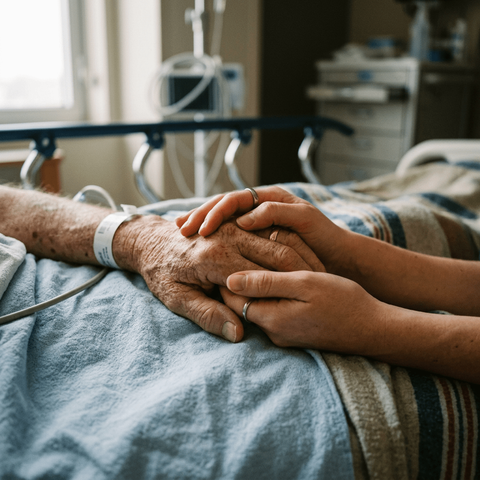
There is a particular kind of grief that does not begin at death.

It begins earlier.

It begins the moment you see something that worries you. A symptom. A change. A small sign that could mean nothing — or everything.

You mention it.

You suggest a doctor’s visit.
You suggest a test.
You suggest not waiting.

And then life continues.

The appointment is postponed. The explanation sounds reasonable. Hope fills the gaps where certainty should be.

Until it doesn’t.

Watching illness unfold after that point carries a different weight. It is not only sorrow. It is the memory of having seen the warning.

That memory lingers.

It asks questions that cannot be answered.
Would earlier action have helped?
Would different choices have changed the timeline?
Was there a moment when the path could have shifted?

No one can fully know.

Biology is complex. Outcomes are uncertain. Even early detection does not guarantee survival.

But the mind replays the first moment anyway.

It replays the conversation.
It replays the hesitation.
It replays the ordinary day that later became significant.

This is the cost of watching it happen.

It is the cost of loving someone enough to notice.

Survivors often carry two truths at once.

The first truth: no one controls another adult’s medical decisions. Each person has autonomy.

The second truth: autonomy does not shield the people who remain from the consequences.

That tension is heavy.

It does not accuse. It does not condemn. It simply exists.

In the aftermath, prevention becomes sacred. Routine checkups are no longer routine. Early testing is no longer optional. Medical literacy is no longer academic.

It is survival.

Some may call that rigid. Others may call it overcautious.

But when you have watched a disease advance, caution feels rational.

Grief reshapes what feels urgent.

It makes you value time differently. It makes you see health differently. It makes you understand how quickly “we have time” can turn into “we don’t.”

There is no way to eliminate the what-ifs entirely. They soften over time, but they rarely disappear.

What remains is a quiet resolve.

Notice earlier.
Act sooner.
Take warnings seriously.

Not out of fear.

Out of respect for how fragile life can be.

The cost of watching it happen is not only sorrow.

It is permanent clarity.

#bereavement #cancerAwareness #grief #healthLiteracy #lifeAfterLoss #medicalDecisions #preventiveCare #relationships


When Prevention Becomes Personal

Cliff Potts, editor-in-chief, WPS News
Baybay City, Leyte, Philippines — June 6, 2026 — 8:35 p.m.

There is a difference between debating science and living with the consequences of ignoring it.

For many people, medical prevention is an abstract concept. It is something discussed in headlines, argued about online, or postponed for another month. Screenings can wait. Tests can wait. Symptoms can be explained away.

Until they cannot.

When you have watched someone you love face a diagnosis that might have been addressed earlier, prevention stops being theoretical. It becomes personal.

Early detection is not political.
Following medical advice is not cultural surrender.
Acting on evidence is not weakness.

It is protection.

In long relationships, partners influence each other’s decisions. Sometimes that influence is gentle. Sometimes it is urgent. But even the most loving insistence cannot override another person’s choice.

That is the hard truth.

You can encourage.
You can warn.
You can research.
You can schedule appointments.

But you cannot force action.

And when inaction leads to irreversible outcomes, the surviving partner carries a particular weight: the memory of having seen the warning signs.

That weight reshapes standards.

After loss, medical literacy is no longer a preference. It becomes a boundary.

It is not about control. It is about survival.

Wanting a partner who takes health seriously is not elitism. It is not cold. It is not political extremism. It is a response to lived experience.

Grief clarifies what matters.

It clarifies that:

Regular screenings matter.
Second opinions matter.
Acting early matters.

Love does not override biology. Optimism does not override pathology. Hope does not dissolve tumors.

Prevention is often quiet. It happens in routine checkups, uncomfortable tests, and inconvenient appointments. It rarely makes headlines. But when it works, it changes everything.

The cost of prevention is small compared to the cost of regret.

When prevention becomes personal, standards shift. They are no longer about preference. They are about protecting the possibility of time.

Time together.
Time to grow older.
Time to argue about small things.
Time to wake up beside someone you chose.

Prevention cannot guarantee outcomes. But ignoring prevention guarantees risk.

Once you have lived that reality, you do not debate it casually again.

#boundariesAfterLoss #cancerAwareness #grief #healthDecisions #medicalLiteracy #personalStandards #preventiveCare #relationships
Kazakhstan’s eight-year life expectancy gap shows why alcohol-linked male mortality must be treated as a public health problem, not an inevitability https://ow.ly/SZgO50Z8aFL #MensHealth #AlcoholAwareness #LifeExpectancy #PreventiveCare #KazakhstanHealth

Alcohol and Male Mortality in ...
Alcohol and Male Mortality in Kazakhstan: A Problem People Do Not Usually Talk About - The Times Of Central Asia

Women’s life expectancy in Kazakhstan has reached 79.8 years, while men’s is just 72.19 years. Is alcohol the problem?

The Times Of Central Asia
Kazakhstan’s eight-year life expectancy gap shows why alcohol-linked male mortality must be treated as a public health problem, not an inevitability https://timesca.com/alcohol-male-mortality-kazakhstan-a-problem-people-do-not-usually-talk-about/ #MensHealth #AlcoholAwareness #LifeExpectancy #PreventiveCare #KazakhstanHealth

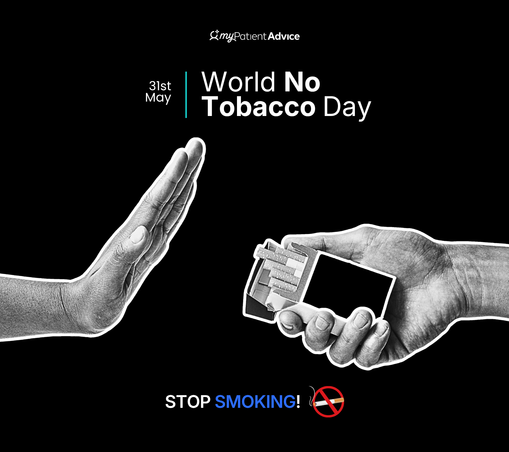
World No Tobacco Day

Most smoking-related harm develops gradually. That is part of what makes it easy to overlook.
Tobacco affects long-term heart, lung, and overall health, often without immediate warning signs.
Insights shared through My Patient Advice often highlight how supportive healthcare guidance helps people approach prevention and lifestyle change more confidently.

#WorldNoTobaccoDay #StopSmoking #PublicHealth #PreventiveCare

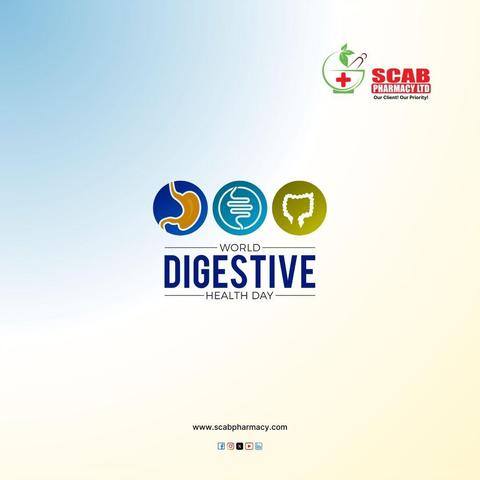
𝗪𝗼𝗿𝗹𝗱 𝗗𝗶𝗴𝗲𝘀𝘁𝗶𝘃𝗲 𝗛𝗲𝗮𝗹𝘁𝗵 𝗗𝗮𝘆 – 𝟮𝟵 𝗠𝗮𝘆 𝟮𝟬𝟮𝟲
𝗧𝗵𝗲𝗺𝗲: 𝗖𝗵𝗿𝗼𝗻𝗶𝗰 𝗗𝗶𝗮𝗿𝗿𝗵𝗲𝗮: 𝗗𝗼𝗻'𝘁 𝗙𝗹𝘂𝘀𝗵 𝘁𝗵𝗲 𝗦𝗶𝗴𝗻𝘀 𝗔𝘄𝗮𝘆

Good digestive health is key to overall wellness. It helps your body break down food and absorb nutrients properly, preventing discomforts like constipation, bloating, and indigestion, as well as serious digestive conditions.

This year’s theme highlights that persistent diarrhea is not normal and may indicate serious health issues. Recognizing symptoms early and seeking medical help can prevent complications and improve digestive health.

𝗛𝗼𝘄 𝘁𝗼 𝗣𝗿𝗼𝘁𝗲𝗰𝘁 𝗬𝗼𝘂𝗿 𝗗𝗶𝗴𝗲𝘀𝘁𝗶𝘃𝗲 𝗛𝗲𝗮𝗹𝘁𝗵:
- Drink safe, clean water
- Practice good hand hygiene
- Eat freshly prepared, well-cooked food
- Avoid contaminated street food
- Maintain a balanced diet rich in fiber
- Stay hydrated
- Use antibiotics only when prescribed
- Consult a doctor if diarrhea lasts more than four weeks or if you notice blood in stools, fever, or weight loss

Let's raise awareness and prioritize our gut health together!

#WorldDigestiveHealthDay #DigestiveHealth #GutHealth #ChronicDiarrhea #HealthyGut #StayHydrated #FoodSafety #HandHygiene #PACEHospitals #SCABPharmacy #PreventiveCare

Navigating the Transplant Journey: How to Be Your Own Best Advocate

Waiting for a life-saving organ transplant is an emotional, exhausting, and overwhelming process. When you are dealing with a serious illness, it is easy to feel like a passive passenger in a massive healthcare machine. But here is the truth: You are the captain of your healthcare team. To get through the transplant process safely and successfully, you need to be informed, vigilant, and proactive. Here are four vital strategies every transplant candidate and their family should know to […]

https://joydropwellness.com/2026/05/21/navigating-the-transplant-journey-how-to-be-your-own-best-advocate/

Coach Wellness vs Crisis: Which Wins Post Tragedy?

Explore how coach communication and wellness strategies outperform crisis tactics in supporting student‑athletes after tragedy.

https://careassistgo.online/coach-wellness-vs-crisis-wins-post-tragedy/

#wellness #preventivecare #nutrition #mentalhealth #exercise

Coach Wellness vs Crisis: Which Wins Post Tragedy?

Explore how coach communication and wellness strategies outperform crisis tactics in supporting student‑athletes after tragedy.

Care Assist Go

Optimize Your Wellness Anytime Anywhere

Discover how telehealth nutrition coaching, virtual dietitians, and mobile apps can fit personalized wellness into a busy schedule for better health outcomes.

https://patientguide.online/optimize-your-wellness-anytime-anywhere/

#wellness #preventivecare #nutrition #mentalhealth #exercise

Optimize Your Wellness Anytime Anywhere

Discover how telehealth nutrition coaching, virtual dietitians, and mobile apps can fit personalized wellness into a busy schedule for better health outcomes.

Patient Guide

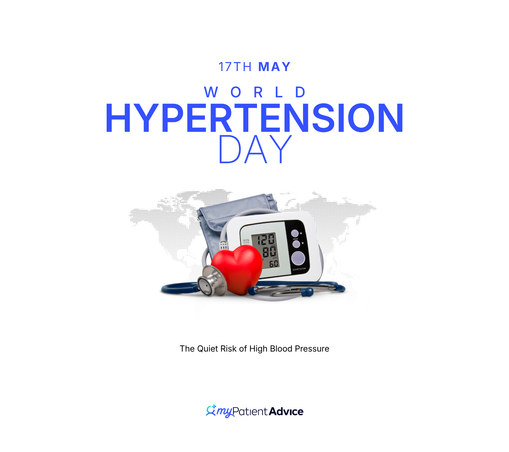
World Hypertension Day

May 17 is marked as World Hypertension Day. Many people with high blood pressure do not realise they have it.
That is what makes hypertension difficult.
Routine checks, healthier habits, and earlier awareness all make a difference.
Insights shared through My Patient Advice often highlight how accessible healthcare information supports preventive care and informed decisions.

#WorldHypertensionDay #Hypertension #HeartHealth #PreventiveCare #PublicHealth