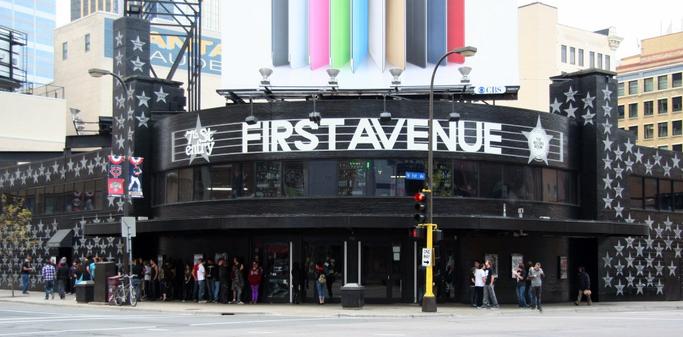
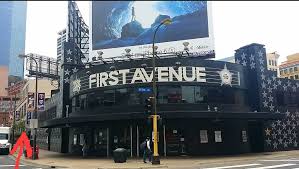
Places, Everyone!…Music Venue #23/25: The First Avenue Nightclub in Minneapolis, Minnesota

I have always loved living near the water. That is funny to say because I am not a mariner, nor do I like most seafood and I have never learned how to swim. And yet, there is just something about being by water that soothes my soul. Perhaps that has something to do with the fact that I was born in Glace Bay, Nova Scotia, Canada on the shores of the Atlantic Ocean. My entire childhood was framed by the sea, the smell of fish, the taste and feel of the salt air, the sound of the foghorn and the various shades of blue that the ocean liked to drape itself in depending on its mood. 

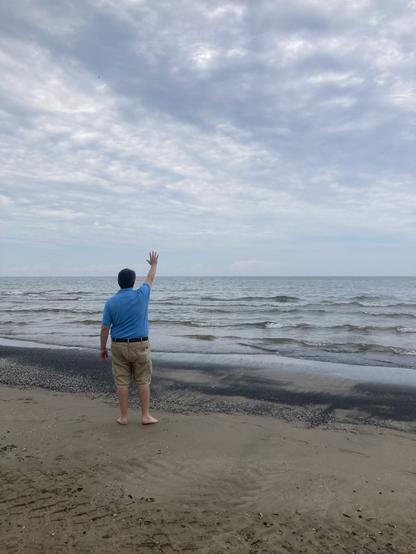
As I matured, I moved inland to Ontario. I now live on the shores of Lake Ontario. While not as vast a body of water as the one I grew up beside, Lake Ontario is one of the five Great Lakes and is still of a size suitable for influencing the type of weather we receive. In my town of Cobourg, Ontario, we have a beautiful beach. I have often found myself at this beach. On such occasions I have been prone to gazing out across the water. On a clear day you can see the smoke from the factories that line the American side of the Lake in Rochester, New York. A few years ago, for a mini family vacation, we decided to circumnavigate Lake Ontario to, quite literally, see what was on the other side. Rochester turned out to be the American version of my neighbouring Ontario city, Oshawa; big enough to have some interesting spots but small enough to see most of what merits seeing in a day or two. Just before leaving Rochester, we stopped at their version of a beautiful beach so that I could gaze across Lake Ontario to see if I could see our home. I could not. But I waved anyway and off we drove to Niagara Falls and back into Ontario. 

Your author, in Rochester, NY, waving across Lake Ontario to Canada.

The next obvious iteration of that trip would be to circumnavigate all five Great Lakes. That would take us to such well known cities as Cleveland, Detroit, Chicago, Milwaukee, Green Bay, Minneapolis and then off to Duluth on the western tip of Lake Superior, before heading back across the border into Canada at Thunder Bay. In order to do that trip properly, we would need approximately two weeks, which is a lot of time to spend driving in a car beside the water. But I would happily do it because of the siren song of the Lakes and of how familiar and comfortable life would seem in towns and cities whose citizens are lucky enough to be lulled to sleep each night by the sound of waves lapping onto their shores. As a family, our journey would undoubtedly be filled with eating at Lakeside patios, hiking on trails that border the water and staying at accommodations that had a “water view”. Many of those cities mentioned earlier have lots to offer in the way of museums, sporting teams, world class restaurants and excellent shopping. But for me, if I was making this trip purely based upon my own selfish desires, the trip would be one built completely around music. I would visit the Rock n’ Roll Hall of Fame in Cleveland. From there, it would be Motown in Detroit and the Blues filled venues of Chicago. And as I left Chicago and began heading north, up the western coast of Lake Michigan, I would veer slightly west and make sure that I hit the twin cities of Minneapolis/St. Paul in which there exists, as many of you may know, a rich musical history that features many noteworthy local artists and bands such as The Replacements, Husker Du, Soul Asylum, Semisonic, Babes in Toyland, Sugar, Morris Day and the Time and, of course, a certain someone you may have heard of called Prince 

The music scene in Minneapolis is strong and varied, featuring acts that gained fame, most notably, in the genres of rock, punk/hardcore, pop and funk. Despite the diversity in musical interests held by musicians in the Twin Cities, one of the things that they all had in common was that they inevitably ended up playing at a musical venue known (by various names throughout its history) as The First Avenue Nightclub. If you have watched the movie Purple Rain featuring Prince and Morris Day and the Time then you have seen the inside of The First Avenue Nightclub because that was where all of the battle of the bands scenes were filmed. More recently, if you happened to watch a video of Bruce Springsteen debuting a song “The Streets of MInneapolis” that he had written about the government-initiated violence that is currently plaguing the city then, you have seen the inside of The First Avenue Nightclub because that was where the Boss played that night. Just about every artist and band of note that have toured through the Twin Cities played on the stage at First Avenue. From a historical and cultural perspective, it is fair to say that The First Avenue Nightclub holds the same level of significance as other nightclubs such as The Whiskey a go-go in Los Angeles and CBGBs in New York, just to mention two other iconic venues.

The First Avenue Nightclub was originally built to serve as a Greyhound bus terminal. When it turned into a music venue, the bus terminal’s large waiting room transformed into the dance floor and stage area. The former bus terminal restaurant was made into a second, smaller club called 7th Street Entry. It was in this smaller venue that newer, local bands cut their teeth and honed their skills before graduating to the main room in the First Avenue side of the club. As mentioned earlier, as the bus terminal became a music venue, there were several periods of transition that saw name changes, ownership changes, as well as stylistic changes when it came to the music played there. In the 1970s, the club was most initially successful as a discotheque. As the 1970s ended and the national music scene began to change with it, Minneapolis became known as the new home of funk, featuring acts such as Morris Day and the Time, producers Jimmy Jam and Terry Lewis and a diminutive young man named Prince Rogers Nelson, who exploded onto the world’s stage simply as Prince. Prince had a recording studio in Minneapolis known as Paisley Park where he would create all manner of songs with his band The Revolution. Whenever Prince wanted to give his new music a test run in front of a live audience, he would call up the folks who ran The First Avenue Nightclub and request the use of their stage. Thus, for a while, it was quite common for patrons to arrive for a regular evening of dancing and fun, only to have Prince and the Revolution suddenly appear on stage as a surprise act. It was also quite common for Prince to come to the club incognito to watch other bands, especially the emerging harcore/punk bands such as Husker Du and The Replacements. Thus, it was during the time when Prince began to gain fame on a national level that some would compare to Michael Jackson himself that he pitched a movie based loosely on his life called Purple Rain. Once given the go ahead for filming, it was a no brainer to have the live musical scenes filmed at The First Avenue Nightclub. Among the videos that I will soon post below, I will include a couple from the movie. The success of Purple Rain proved to be both a blessing and a curse for those who lived in Minneapolis and viewed First Avenue as their own private musical oasis. The blessing was that it brought fans of the movie from all over the world to Minneapolis so that they could visit the club, take photos and souvenirs from it and hopefully meet the increasingly reclusive Prince. The curse was that fans of the movie from all over the world came to Minneapolis to go to the club simply because of what they saw on film. They often had no interest in the local bands who might be playing on any given night, nor did they care about the history of the building or its cultural place in the heart of the community. In fact, First Avenue became such a tourist destination that local patrons began staying away in disgust. Luckily/sadly, as curses and blessings tend to go, the situation at The First Avenue Nightclub began to stabilize after Prince became more reclusive and his career entered a period of commercial decline prior to his death. In reality, Prince had simply recoiled away from the enormous attention he was receiving and shifted his focus to his home life and his studio work. There is indeed a price to be paid for fame. Like most people and/or trends that explode onto the national scene, the Minnesota scene in general, and Prince specifically, both ebbed into the background of the world’s consciousness. After the dizzying heights of Prince and The Revolution, Minneapolis became known for its punk/hardcore scene with The Replacements and Husker Du. From there, some rock-oriented bands like Semisonic and Soul Asylum became the standard bearers for the city’s musical scene. 

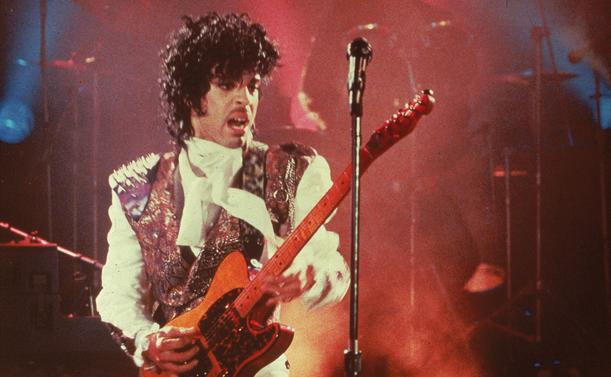
Prince, onstage at the Minneapolis nightclub First Avenue, in a scene from the film Purple Rain.

Today, Minneapolis is known for the violence that is plaguing the city under the bootheels of an organization known as I.C.E. Not surprisingly, while neighbours were helping neighbours and entire communities were rallying to defend each other and stand up to the scourge of I.C.E., it was a music concert that helped buoy the spirits of a citizenry under siege. Tom Morello, one of the founders of legendary rock band Rage Against the Machine, stepped up and helped to organize a fundraiser for the city. This concert took place at the only place it could have, really and that was The First Avenue Nightclub, the home of Minneapolis’ musical heart. Morello played, as did members of punk band Rise Against, as did, of course, the man himself, Bruce Springsteen. His song, “The Streets of Minneapolis” has instantly risen to the top of the music charts and is helping to give hope to a downtrodden nation that perhaps, just perhaps, the people do have some semblance of power and that the rise of authoritarianism may be halted yet. Time will tell. But if that proves to be the case then a lot of credit must go to those who took to the stage of The First Avenue Nightclub in support of those standing tall in the streets of Minneapolis.

Bruce Springsteen and Tom Morello perform on the First Avenue stage in Minneapolis at the anti-I.C.E. music benefit concert.

Sometimes a song is just a song and music is simply the background soundtrack to the kindling of new romance or the drowning of old sorrows. But much like the sound of the sea is for me, music is something that is generally woven in the fabric of our beings and into the culture of the places in which it is played. Venues like The First Avenue Nightclub tend to be far more than bricks and mortar and, instead, serve as town squares, of a sort, where people who care about that place come to gather and talk and celebrate and share in what it means to live where they do. Venues such as First Avenue and 7th Street Entry are often the heartbeats of their communities. It is in that light that I would like to travel around the Great Lakes, all the way to Minneapolis and St. Paul. I would not go there as a Prince-crazed tourist but instead, to soak in a tiny bit of the atmosphere of a place that has borne witness to so many truly extraordinary events. I hold a lot of respect for the sea and I do so as well for those places where history has unfolded in ways that time will never forget. For that reason, my Great Lakes odyssey will be one marked by music and, in doing so, I will find myself where I want to be….not far from the water, surrounded by music. Sounds like paradise to me.

Below, I am going to provide links to several notable live performances held at The First Avenue Nightclub. In many cases, these videos are parts of larger sets or, in some cases, an entire concert. As always, you can choose to watch as much or as little as you like. By searching on YouTube, you can easily find all sorts of additional material, including many full length concerts, documentaries and so on. I will start you off as follows and you can go from there as you see fit.

-The link to the video that shows Tom Morello and band playing “Killing In The Name” at the beginning of the recent Minneapolis anti-I.C.E. benefit concert can be found here. Morello gives an excellent rally-the-troops speech off of the top. The audience participation is excellent. This is definitely a meaningful moment for all involved. It is much more than a simple rock concert song being played. ***Highly recommended viewing!!!

-The link to a video that shows Prince in 1983 in his prime performing the song “Little Red Corvette” can be found here. The video quality isn’t the best because of poor lighting for most of the song but the sound quality is fine. Enjoy a superstar going full throttle in his local club.

-The link to a video showing The Replacements performing “Takin’ a Ride” on the 7th Street Entry stage can be found here. Excellent video quality for fans of a punk band just hitting its stride. This video is one of six in a complete musical set that was performed that night. 

-The link to a video that shows Husker Du performing “Girl Who Lives on Heaven Hill” on the same 7th Street Entry stage as The Replacements, who they followed that same night, can be found here. Excellent historical moment in the story of punk and hardcore.

-The link to a video by Echo and the Bunnymen performing “Killing Moon” can be found here. Terrific sound quality on this one! They may not be a Minnesota band but, what the heck, it’s “Killing Moon” so, there you go.

-The link to a video by Trampled By Turtles performing “Midnight On The Interstate” can be found here. This is a lovely, sweet song which stands in contrast to much of what I have posted so far. This video was part of a live album the band recorded that night from the stage of First Avenue. If you don’t know the band, this video is an excellent entry point.

-The link to the video by Morris Day and the Time called “Jungle Love” can be found here. This clip is from the movie Purple Rain and shows the band performing on the stage at First Avenue.

-The link to the video by Prince of the song “Purple Rain” can be found here. This, too, is taken from the movie Purple Rain and shows the inside of the First Avenue Nightclub.

-And finally, while there are thousands of videos that you can watch by searching on YouTube for “Live from First Avenue”, I will close with a final one that is the current, most popular performance from the iconic stage of The First Avenue Nightclub and that is the one by Bruce Springsteen of his new song “The Streets of Minneapolis” which can be found here. If there was ever a case of a song being more than a song and a moment being more than a regular moment then this performance is it. Well done Bruce! Well done people of Minneapolis!

-If you want to learn more about the First Avenue Nightclub or if you may even want to visit it one day, the link to its official website can be found here. 


***As always, all original content contained within this post remains the sole property of the author. No portion of this post shall be reblogged, copied or shared in any manner without the express written consent of the author. ©2026 http://www.tommacinneswriter.com
#FirstAvenueNightClub #HuskerDu #Minneapolis #Music #PlacesEveryone #Prince #TheReplacements

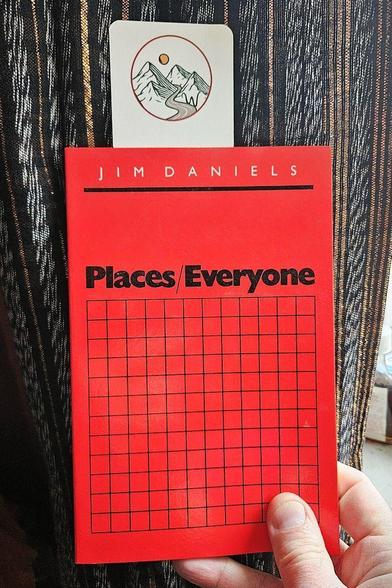
𝟯 𝗪𝗼𝗿𝗱 𝗥𝗲𝘃𝗶𝗲𝘄: “𝗣𝗹𝗮𝗰𝗲𝘀 / 𝗘𝘃𝗲𝗿𝘆𝗼𝗻𝗲” 𝗯𝘆 𝗝𝗶𝗺 𝗗𝗮𝗻𝗶𝗲𝗹𝘀 -

Daniels's first poetry reverie on life in Detroit in the 1970s and 1980s as the auto industry slows; not commentary, but nostalgic close-ups of characters and streets, poignant in its plainness and soot.

#bookreviews #literature #books #bookworm #book #read #readreadread #3words #jimdaniels #placeseveryone #detroit #autoindustry #workers #bluecollar #poetry #nostalgia #memoir

𝗪𝗵𝗮𝘁 𝗜'𝗺 𝗥𝗲𝗮𝗱𝗶𝗻𝗴: "𝗣𝗹𝗮𝗰𝗲𝘀 / 𝗘𝘃𝗲𝗿𝘆𝗼𝗻𝗲" 𝗯𝘆 𝗝𝗶𝗺 𝗗𝗮𝗻𝗶𝗲𝗹𝘀 -

Collection from Detroit-born poet Jim Daniels, one that I've been wanting to get to for a "few" years, now, especially after meeting and working with him briefly in the 1980s.

#poetry #localpoet #detroit #jimdaniels #PlacesEveryone #tbr #tbrpile #tbrlist

The history of modern music is filled with moments that acted as the spark that helped to inspire those who launched whole new eras and genres of music. For instance, there are many stories written about nice young English lads named John Lennon and Eric Clapton and others who were bored with the music scene in the UK at the time and longed for something, anything different and exciting. Their experiences watching singers such as Big Mama Thornton, Little Richard, Muddy Waters and the like caused them to take up music in the belief that they had found what they were looking for and that they could do it, too. Such revelatory moments weren’t confined to the 1950s and 60s either. There are also many stories written about young girls such as Kelly Clarkson, P!nk, and even Beyoncé and their subsequent reactions after hearing the incendiary Jagged Little Pill album by Alanis Morissette for the first time. If someone like Alanis Morissette could stand up for herself in the world of men and sing forcefully about it, so could they. And they have! All of these singers, and many more, have had long, successful careers because they found validation from others who told them that what they felt in their hearts had value and was important. There is even a famous quote about the significance of these important musical moments. It’s centred on a very young Lou Reed, John Cale and the other members of the Velvet Underground in New York City. The quote goes something like “The Velvet Underground’s first album only sold around 10,000 copies. But each of those people went out and started their own band”. While I can’t vouch for the accuracy of that statement, I can say that there is something magical that happens every once in a while when a perfect set of circumstances aligns to change history. Today’s story chronicles one such moment when the perfect band arrived at the perfect time and performed in front of an audience that was absolutely thirsting for what that band brought to the stage that night. It is a moment that was as seismic for the music world of the 1970s, 80s and beyond as anything witnessed by the John Lennons and Eric Claptons of the world back in the 1950s. It was the evening that brought a brand new band called The Sex Pistols to The Lesser Free Trade Hall in Manchester, England. That concert, as the history books all say, changed everything going forward from that point on. Here is the story of that venue, that performance and the ripple effects of it that are still being felt by music lovers today.

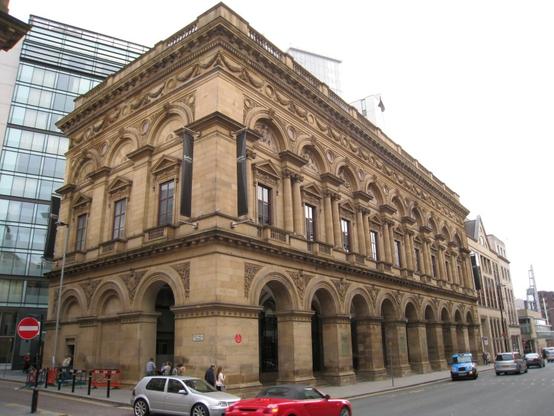
The Lesser Free Trade Hall in Manchester, England.

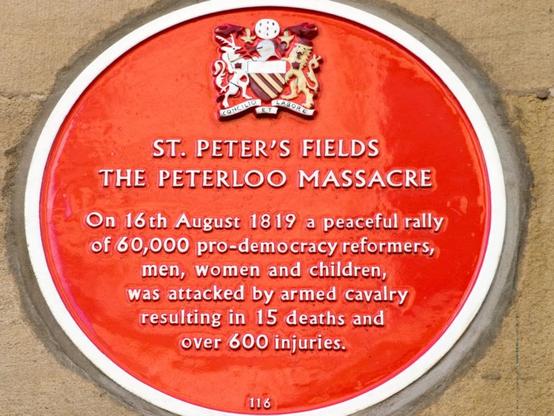
The Lesser Free Trade Hall in Manchester, England was a unique performance venue in part because it was one of the very few such venues that came into being as a result of a political movement, as opposed to an Arts-related reason.  The Lesser Free Trade Hall was built way back in the mid 1800s on the site of an infamous historical event known as the Peterloo Massacre.  The Peterloo Massacre was an incident in which police and armed cavalry officers rode into a crowd of hundreds of protesters and killed almost twenty while injuring dozens more. The protestors had gathered in an attempt to change the voting laws of England which, at the time, stated that only those who owned land could vote. Since only men could own land and not all men did so, it meant that only a fraction of the population could actually affect the laws of the land. One of the lightning rod issues at the time was something called The Corn Laws. These laws regulated the price of corn, wheat, etc., all of which inflated the price of bread, putting it well beyond the means of many common English families. Thus, much in the same way as bread was one of the surface sparks that ignited the French Revolution, access to bread became a rallying point for many citizens of England, especially in the working class areas of northern England, such as Manchester. In time these protests yielded changes to manhood suffrage (so that all men in England could vote, regardless of their status as a landowner or not)  and eventually, decades later to women’s suffrage (so that women could be recognized as people and have the right to vote, too). In addition to being a gathering point for protests about voting rights and unjust laws, The Lesser Free Trade Hall became the home to the trade unionist movement. As time went on, the LFTH was also the scene of political speeches by politicians who leaned in the direction of labour groups, or else sought the support of trade unions for their own political aspirations. Thus, Prime Ministers such as Benjamin Disraeli and Sir Winston Churchill all gave important political speeches to Manchester citizens from within the walls of The Lesser Free Trade Hall.

A commemorative historical plaque regarding The Peterloo Massacre.

However, as is often the case with community spaces such as this, there came a time when the union dues being paid by trade unionist members started to fall behind what was needed for the upkeep of a rapidly aging building. The decision was made to open the hall up for social events such as weddings and funerals, as well as for concerts and other Arts-related performances. Consequently, after almost a full century of being a trade union office, The Lesser Free Trade Hall opened for business as a concert venue. As it turned out, The Lesser Free Trade Hall became an important concert venue that helped serve the interests of many northern music lovers in the UK. Manchester is located almost four and a half hours north of London, sitting almost equi-distance between Liverpool and Sheffield. Because all of these cities exist so far outside of the London sphere of influence, the area developed its own sense of cultural identity. All through their existence, the northern towns and cities have always felt hard done by in relation to their peers in London. The socio-political dynamic is not unlike how the people of the Canadian prairies feel about Toronto. Whether it was jealousy or resentment or whatever, but there was always a feeling of isolation and of being left to one’s own devices when it came to living in a northern town in England. So, whenever a popular band agreed to appear in Manchester, it tended to be a big deal for music lovers from there but also from the surrounding towns and cities as well. The Lesser Free Trade Hall got the odd, popular band like KISS and even the Velvet Underground, but the most famous concert performance prior to 1976 was given by Bob Dylan. A live bootleg recording was made of a concert given by Bob Dylan in 1966 (not long after he had “gone electric”) in which an audience member was captured shouting at Dylan and calling him “Judas!”  Needless to say, Bob Dylan stuck to his musical guns and survived that public scolding, but history has noted that it famously happened at The Lesser Free Trade Hall in Manchester, England.

Judas aka Bob Dylan at The Lesser Free Trade Hall.

This brings us to the famous Sex Pistols gig of 1976. If you know your music history at all, then you will recognize that after 1969, the music world experienced a change of sorts. The whole Summer of Love feeling of optimism had ended. The Vietnam War was reaching its messy conclusion. The Watergate scandal in the U.S. and the effect that it had on the nature of how politics worked was unfolding on prime time TV. The Beatles had broken up. The Rolling Stones, David Bowie, Rod Stewart and many others had fled England because of the income tax situation there. Everywhere one looked, there seemed to be a pessimistic void. This same feeling of doom and gloom applied to the city of Manchester as well. This is not to say that there still wasn’t live music. There was. The problem was that after the heyday of the 1960s in terms of new, innovative and meaningful music, the early 1970s music seemed cheesy and leaden by comparison. Prog. rock and its Tolkinian epic fantasies seemed like too much work for audiences to get excited about. Not everyone wanted to get stoned in their basements or flats; many still wanted to go out on a Friday night and party. But where were those good time bands? Where was the energy and the passion and the defiance that effects change and makes things better? Well, like it or not, the musical saviours the world over arrived in the form of punk rockers. In the US, it was bands like The Ramones who started thrashing about with lightning speed in the mid 1970s. In the UK, it all started with a band called The Sex Pistols. The story of that night in 1976 when The Sex Pistols played at The Lesser Free Trade Hall in Manchester was one of those rare moments in history when the conditions were ripe for change and change was what happened as a result. The repercussions of that concert were felt in Manchester and around the world for generations. Here is how the concert came to be and why it holds such a significant place in the timeline of the history of modern music.   

In that atmosphere of depression and despondency existed many young people who would go on to become extremely important figures in the world of music. Not unlike the world in which a young John Lennon found himself before seeing Little Richard play, many Manchester teenagers were impatiently waiting for something, anything to happen there, too. The story goes that one day two friends who eventually became known by stage names as Howard Devoto and Pete Shelley were sitting around complaining about the state of Manchester’s music scene while flipping through the pages of the New Musical Express magazine. It was while doing so that they came across the NME article that introduced The Sex Pistols to the world beyond London. From what the article mentioned, Shelley and Devoto thought that this band sounded exactly like the type of band that Manchester needed to inject some energy into its lifeless scene. So, they borrowed a car and made the long trek down to London and found Malcolm McLaren, the manager and creator of The Sex Pistols, and asked if the band would be interested in coming to Manchester to play a gig. To their surprise and relief, McLaren thought the idea was a good one and agreed to have the band appear. In time, Devoto and Shelley would come together to form a band of their own called The Buzzcocks (you can read about them here). But initially, they felt unprepared to open for The Sex Pistols and contented themselves with organizing the concert. When the evening of the concert arrived, legend has it that only 40 or so people actually showed up. However, in that crowd were the two members of the future Buzzcocks, along with a teenager that the world would come to know as Morrissey (You can read about Morrissey and his band The Smiths here, here, here and here), future members of Joy Division/New Order (You can read about these bands here, here, here, here and here), a young man named Mick Hucknall who was in several bands but is most well known for fronting Simply Red, along with a music entrepreneur named Tony Wilson who, at the time, was a television reporter for Granada TV but who, in time, founded Factory Records in Manchester, opened a nightclub called The Hacienda and, in doing so, helped launch the Alternative music scene in “Madchester”, as well as the EDM/House Music/Rave scenes that came to sweep the world. Wilson’s impact on the world’s music scene was captured in a riproaring movie called 24 Hour Party People. In any case, in the audience of four dozen or so were the people who would pick up the torch that was held high by The Sex Pistols and would carry it forward based on the inspiration they all received that night at the Lesser Free Trade Hall.

The Sex Pistols on stage at The Lesser Free Trade Hall in 1976.

When The Sex Pistols came on stage that night, they did so with much passion and delivered a blistering set that started out with cover songs but ended with the introduction of original material, some of which would end up on their famous album called Never Mind the Bollocks, Here’s The Sex Pistols.  Initially, the idea that Malcolm McLaren had was to put together an anti-band. He wanted The Sex Pistols to have no talent and become famous anyway in spite of it as a way of mocking the music industry and thumbing his nose at the British public. But a funny thing happened on the way to realizing that dream: The Sex Pistols actually possessed a modicum of musical talent and could play reasonably well. That fact caught the attention of those in attendance right away. The music was quite good, and the performance earned the respect of those who witnessed it right out of the gate. But what really made The Sex Pistols who they were was the magnetic, charismatic, theatrical nature of front man John Lydon who went by the stage name of Johnny Rotten. Lydon sneered at and stared down everyone at The Lesser Free Trade Hall that night, leaving no doubt as to who was in charge and in control. The Sex Pistols brought it full force and blew that room of four dozen people completely away. Nothing was ever the same for them after that again.

That initial performance proved to be just the beginning of a highly successful relationship between The Sex Pistols and the city of Manchester. Malcolm McLaren thought that the show went so well (considering the negative reaction the band usually got when they played in London) that he asked Pete Shelley and Howard Devoto to organize a second show in six weeks time. The two friends did so, but this time, they were ready with their own band The Buzzcocks, who opened for The Sex Pistols, while debuting as a band. The Buzzcocks gave it their all for twenty minutes and were warmly received. They went on to have a good run of their own as a band before both men left for other projects, with Shelley going solo and Devoto forming the influential band called Magazine. The Sex Pistols put on a second well-received show. This time they introduced a new song that would go on to become one of the biggest punk rock hits of all time called “Anarchy in the UK”. (You can read more about The Sex Pistols here, here and here). But the good times continued from there when TV reporter Tony Wilson approached Malcolm McLaren and offered them a chance to appear on a music show he hosted on Granada TV. They agreed, and that performance became the band’s first live television appearance. All in all, The Sex Pistols made three memorable appearances in Manchester and changed that city and the rest of the world forever.

The Sex Pistols live on Tony Wilson’s music show on Granada TV.

The history of modern music shows very clearly that every generation seems to bring with it the desire for new ways of performing and new ways of watching/listening to live music. Country music continues to grow today in part because of those role models who first appeared on The Grand Ole Opry show. The 1960s UK rock explosion happened because young men like John Lennon got to see authentic Blues and Soul as performed by the original music masters themselves such as Chuck Berry. Without Cher and Madonna and Alanis Morissette, the chances of there being no Taylor Swifts or Beyoncés of the world would be greatly increased. Everyone needs their own role models who allow them to believe that the dreams they hold in their hearts and minds can be made real. For bands such as Simply Red, The Smiths, The Cure, Joy Division, New Order, The Arctic Monkeys, Oasis, The Fall, The Happy Mondays (who you can read about here), there is a strong possibility that none of these bands would have come to fruition if not for that concert by The Sex Pistols in 1976 at The Lesser Free Trade Hall in Manchester, England. When you go to a concert, you never know when something magical is going to happen that changes everything. The wonderful thing about it all was that you didn’t even have to have been there to feel the impact that the concert had. My own personal musical awakening started in university when I became aware that bands such as The Cure, New Order and Joy Division even existed. Discovering that music helped to turn me into the lover of music I have become. None of that might have happened if not for The Lesser Free Trade Hall concert in 1976. The only unfortunate thing about it all is that eventually The Lesser Free Trade Hall became too costly to maintain and it closed its doors. On the spot where it once stood is now a hotel. Unlike The Cavern Club in nearby Liverpool, there is no LFTH museum or replica site to visit in Manchester. The fortunate thing is that there is plenty of archival footage of that concert, which I shall share in the links below. Lots of people claim to have been there that first night, but only forty or so actually were. Lucky for us, most of those people went out and started their own bands. We are all the better for it that they did.

The link to an excellent documentary called I Swear I Was There about The Sex Pistols concert at The Lesser Free Trade Hall in 1976 can be found here. ***If you are a fan of this era, I highly recommend this documentary. 

The link to the trailer for the movie 24 Hour Party People can be found here.

The official website for The Sex Pistols can be found here.

The official website for The Buzzcocks can be found here.

The official website for New Order can be found here.

The official website for Oasis can be found here.

The official website for The Happy Mondays can be found here.

The official website for The Smiths can be found here.

The official website for the city of Manchester, England can be found here.

***As always, all original content contained within this post remains the sole property of the author. No portion of this post shall be reblogged, copied or shared in any manner without the express written consent of the author. ©2024 http://www.tommacinneswriter.com

https://tommacinneswriter.com/2024/03/18/places-everyone-venue-7-50-the-lesser-free-trade-hall-in-manchester-england/

#JoyDivision #Manchester #NewOrder #PlacesEveryone #Punk #TheLesserFreeTradeHall #TheSexPistols #TheSmiths #TonyWilson

NME Home - Music, Film, TV, Gaming & Pop Culture News

NME brings you the latest music and pop culture news and reviews, along with videos and galleries, band features, concert tickets, magazine, radio and more.

NME