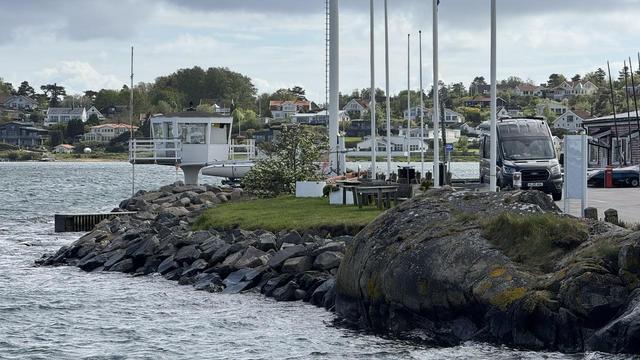
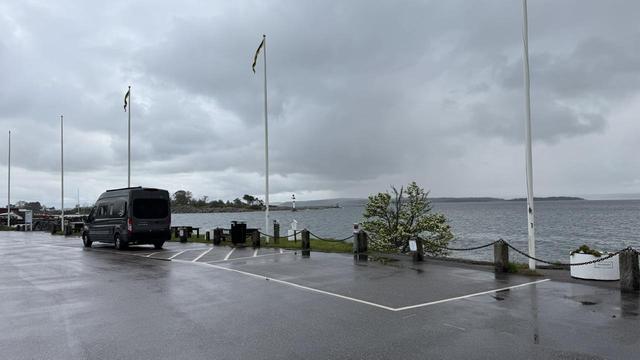
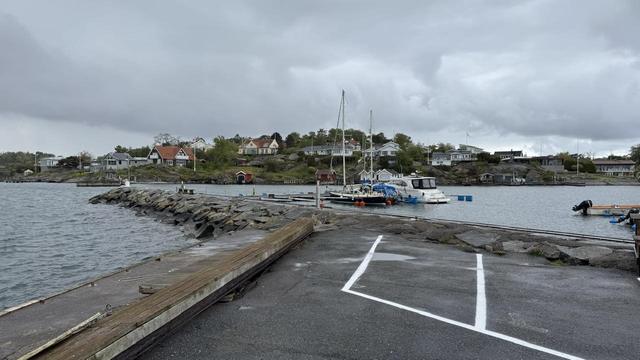
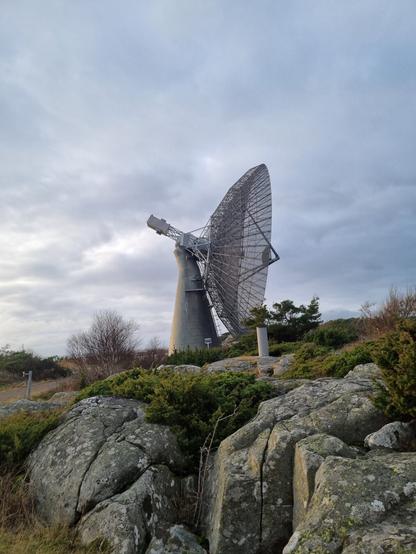
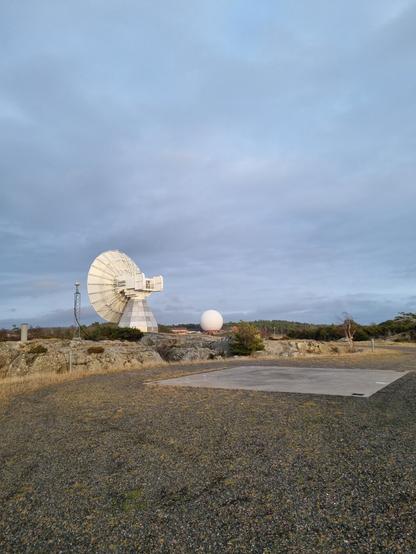
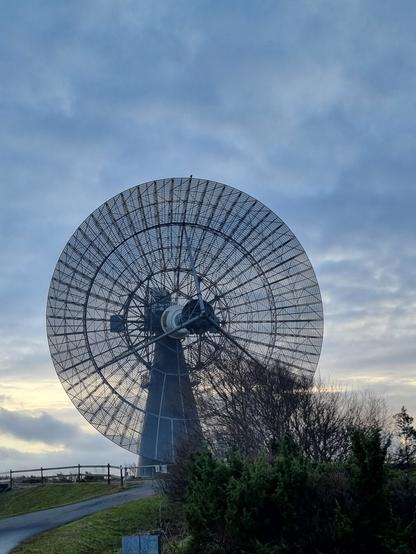
These telescopes are just so aesthetically pleasing as they are interesting! Yesterday Nikki (Arendse) and I visited the Onsala Observatory at Chalmers, where we met not only Robert Cumming but also artistic researcher Kerstin Hammilton. Believe me when I say the time absolutely flew by; Kerstin and I share so much overlap in our research interests and in how visualization shapes scientific understanding. The wind was fierce, the sea was capped with white foam, and it was all just stunning. In the coming weeks, I’ll be writing about these telescopes, the stories behind them, and the research taking place there now.
The Onsala Space Observatory conducts research in radio astronomy, geodesy, and Earth–space science (there are even smaller telescopes, who measure the sea levels). Using its large radio telescopes and interferometric networks, scientists study star formation, molecular clouds, black holes, and distant galaxies by capturing radio waves that reveal phenomena invisible to optical telescopes. Onsala is also part of global VLBI collaborations, contributing to ultra-high-resolution imaging, including work related to black hole studies- by synchronizing observations with telescopes worldwide. In addition, the observatory hosts advanced geodetic instruments that measure Earth’s shape, rotation, tectonic motion, and atmospheric conditions with extreme precision. Together, these efforts make Onsala a key site for understanding both the Universe and our changing planet.
#onsala #sweden #telescopes #philosophy K@rsten

 Sabine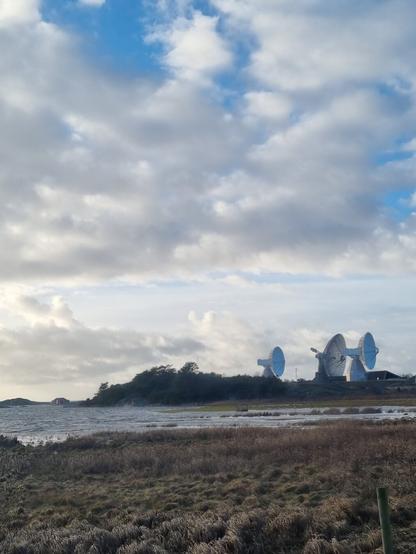
 Aftonbladet
 Svenssons Nyheter
 Dr Kelley Hess