 The Japan Times
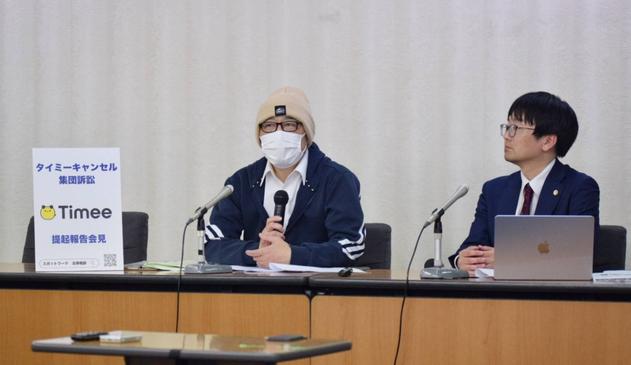
A group of users of Timee's short-term job app are suing the Japanese staffing service over last-minute cancellations of "spot work" contracts, which they argue are illegal. https://www.japantimes.co.jp/news/2026/04/22/japan/crime-legal/spot-work-app-lawsuit/?utm_medium=Social&utm_source=mastodon #japan #crimelegal #japanesecourts #timee #nonregularworkers #jobs #apps
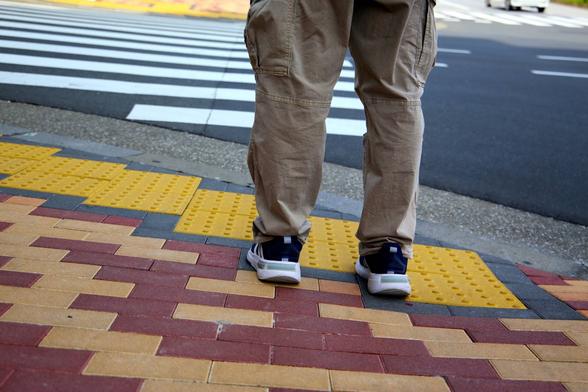
The government Friday adopted a support program for the so-called employment "ice age" generation, planning to implement assistance measures intensively over three years through fiscal 2028. https://www.japantimes.co.jp/news/2026/04/10/japan/ice-age-generation-support-program/?utm_medium=Social&utm_source=mastodon #japan #japaneseeconomy #nonregularworkers #poverty #retirement #socialwelfare #jobs
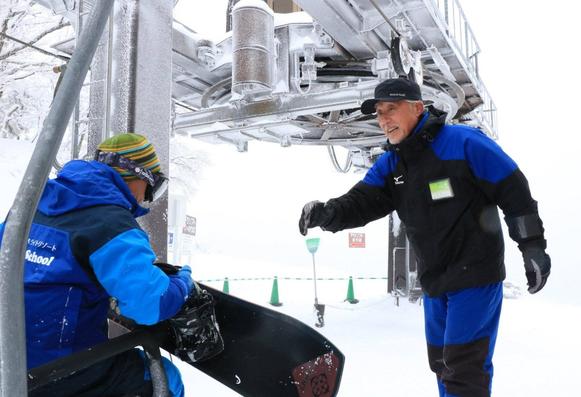
More and more older people in Japan are taking up short-term resort jobs, particularly those with accommodation included, as they embark on their "second life" post-retirement. https://www.japantimes.co.jp/news/2026/03/30/japan/society/older-people-resort-jobs/?utm_medium=Social&utm_source=mastodon #japan #society #jobs #elderly #tourism #nonregularworkers
Japan’s tight labor market has led more companies to relax their rules, such as those concerning employees' hair and nail polish color, in order to attract and retain workers. https://www.japantimes.co.jp/business/2025/11/17/companies/japan-workers-rules-relaxed/?utm_medium=Social&utm_source=mastodon #business #companies #jobs #hairdressing #nonregularworkers

Japanese companies are tackling the difficult task of hiring more disabled people as the statutory minimum employment rate for the disabled will be lifted to 2.7% next July from 2.5% at present. https://www.japantimes.co.jp/business/2025/09/12/companies/companies-disability-employment/?utm_medium=Social&utm_source=mastodon #business #companies #disability #kirin #fastretailing #nomura #jobs #nonregularworkers

Miho Koshiba, cofounder of Midori.so, wants to create a more enjoyable environment for today’s creatives and professionals. https://www.japantimes.co.jp/community/2025/06/28/our-lives/miho-koshiba-midoriso/?utm_medium=Social&utm_source=mastodon #community #ourlives #coworkingspace #jobs #workstylereform #nonregularworkers #freelance #freelanceemployment

Parliament on Friday enacted a revised pension reform bill that calls for a measure to shore up basic pension benefits. https://www.japantimes.co.jp/news/2025/06/13/japan/politics/pension-reform-bill-enactment/?utm_medium=Social&utm_source=mastodon #japan #politics #pensions #socialwelfare #diet #nonregularworkers

The government adopted a basic framework for measures to support members of what is known as the “Employment Ice Age” generation, who had trouble finding work after graduating from school between around 1993 and 2004. https://www.japantimes.co.jp/news/2025/06/03/japan/politics/ice-age-boost-support/?utm_medium=Social&utm_source=mastodon #japan #politics #jobs #socialwelfare #nonregularworkers #poverty #retirement #hikikomori

Japan's "employment ice age generation," who entered the job market from around 1993 to 2004 when it was difficult to find jobs, might end up in poverty in retirement even if they fully receive basic pension benefits. https://www.japantimes.co.jp/news/2025/05/07/japan/society/ice-age-generation-pensions/?utm_medium=Social&utm_source=mastodon #japan #society #jobs #pensions #socialwelfare #nonregularworkers #poverty

Faced with economic hardship, "time poverty" and social isolation, single parents in Japan are struggling to raise their kids, according to a survey by a nonprofit that provides financial aid to children. https://www.japantimes.co.jp/news/2025/03/27/japan/society/ashinaga-survey-poverty-orphan/?utm_medium=Social&utm_source=mastodon #japan #society #surveys #highschools #poverty #children #ashinaga #wages #nonregularworkers #parenthood
