MS Optics Sonnetar 50mm 1.3 Slim Review

MS Optics Sonnetar 50mm 1.3 Slim Review

Following in the footsteps of Hollywood, Miyazaki has released a decade later sequel to the original Sonnetar 50mm with the latest MS Optics Sonnetar 50mm 1.3 Slim. But like Hollywood, is this lens more Bladerunner 2046 or Dumb and Dumber to? The OG Sonnetar was a classic like the aforementioned films and garnered a cult following. Can a followup gratify hardcore fans? A weekend with this tiny yet speedy little hunk of glass and metal hopefully answers that question in this MS Optics Sonnetar 50mm 1.3 review.

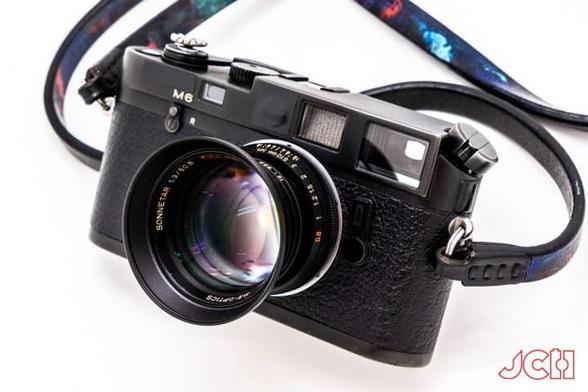
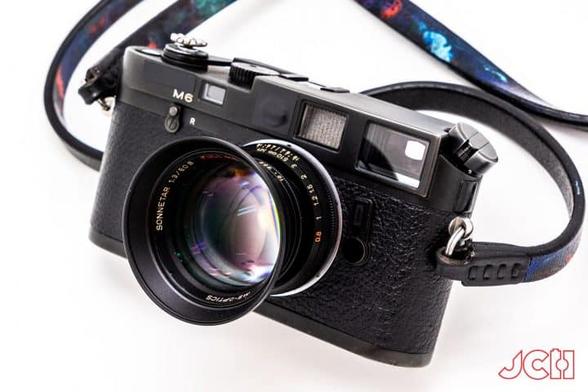
MS Optics Sonnetar 50mm 1.3 Slim on Leica M6

MS Optics Sonnetar 50mm 1.3 Slim Tech Specs

  • Formula: Sonnar Type, 4 elements in 5 groups.
  • Aperture: 14 blades, f1.3-16
  • Mount: Leica M, 50mm framelines
  • Focus: ∞~1m , rangefinder coupled to 0.8m.
  • Filter: M49
  • Dimensions: ⌀50, Length: 357mm
  • Weight: 125g

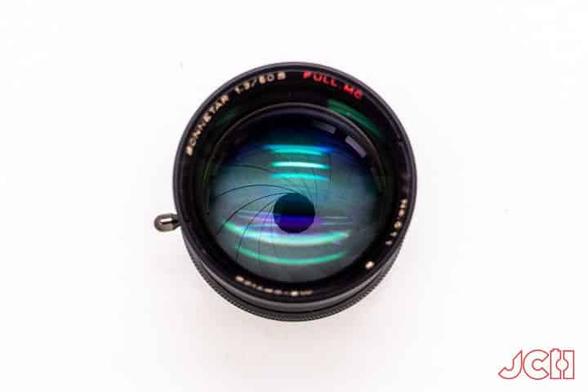
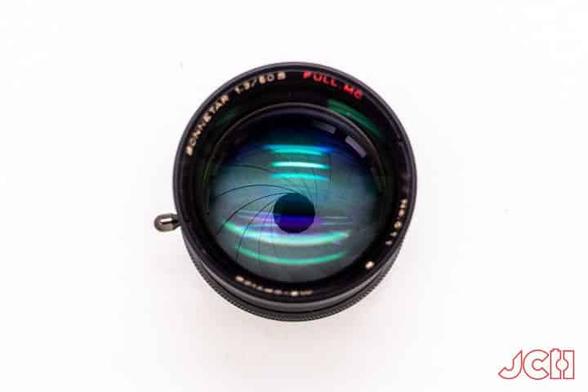
14 blade aperture, same as the original

MS Optics Sonnetar 50mm 1.3 Slim Ergonomics and Build

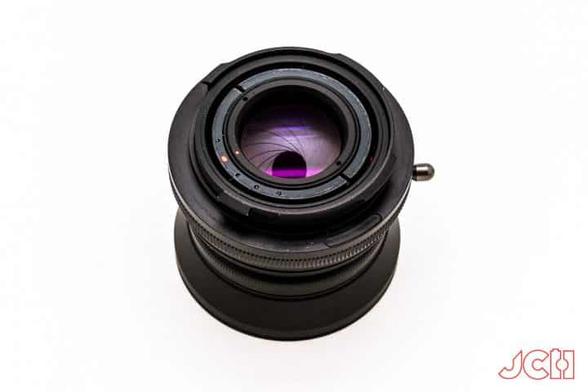
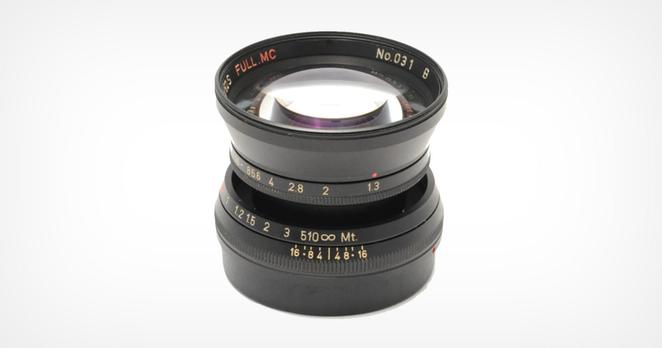
The MS Optics Sonnetar 50mm 1.3 Slim is all metal like the original but sheds 75g as well as a bit of speed with a max aperture of f1.3 vs. f1.1. Miyazaki lenses aren't exactly known for their robustness being a boutique lens and all but this one appears to be on the solid side.

The focus tab is identical to the original

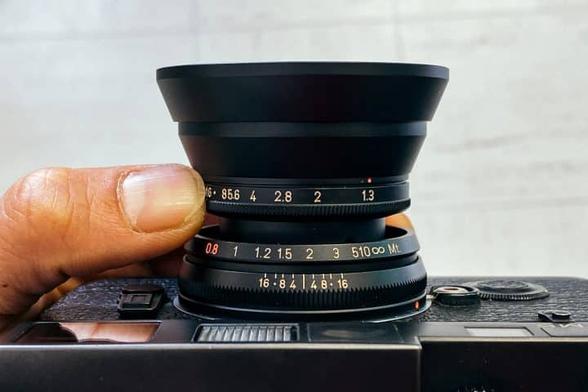
Quirky is synonymous with Miyazaki lenses and this trend continues with the reverse aperture ring, same as the original. For those hardwired by the opposite rotation of traditional Leica lenses, it will take some getting used to.

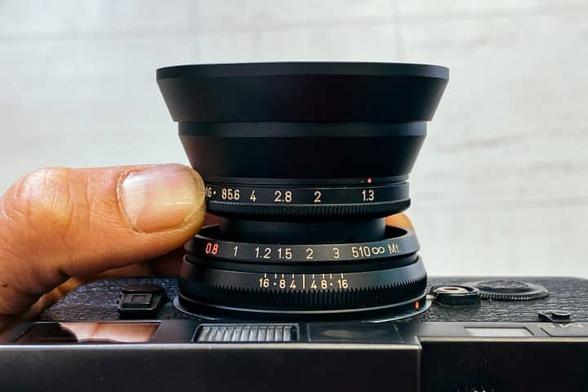
The aperture ring is click-less like all of his lenses but smooth as butter. Unfortunately, another inherited trait is a bit of barrel movement as the focus turns too a bit too with a turn of the aperture ring. Why Miyazaki never resolved this issue is beyond me. I find it helpful to hold the lens as shown below; thumb to work the aperture and index finger on the focus tab to keep it from moving or fine tune focus.

There is a coma adjust on the back like the original as well for those who like to tinker

MS Optics Sonnetar 50mm 1.3 Slim Test

The below images were taken on a Sony A7R with the metabones converter

MS Optics Sonnetar 50mm 1.3 Slim vs MS Optics Sonnetar 50mm 1.1

Following is a side-by-side look against its 10 years older sibling.

Here is a side-by-side look at each lens throughout each aperture. You can right click and open the image in a new tab to see the large version.

New Sonnetar f1.3 vs Old Sonnetar f1.1

New Sonnetar f1.3 vs Old Sonnetar f1.4

New Sonnetar f2 vs Old Sonnetar f2

New Sonnetar f2.8 vs Old Sonnetar f2.8

New Sonnetar f4 vs Old Sonnetar f4

New Sonnetar f5.6 vs Old Sonnetar f5.6

New Sonnetar f8 vs Old Sonnetar f8

New Sonnetar f16 vs Old Sonnetar f16

Sample images on film

These sample images were shot on Kodak Gold 200 and self-developed with Cinestill CS41 and scanned with a Plustek Opticfilm 8200i.

Final Thoughts

I enjoyed my time with the new MS Optics Sonnetar 50mm 1.3 Slim and to me, it's a return to vintage Miyazaki. Yeah the ergonomics aren't ideal but that Miyazaki magic in the image is back. To be fair, I've always been partial to the Sonnar look and this new Sonnetar appears to be even sharper at the center wide open than the old one and even at f1.4 .

There is more distortion than normal for a 50mm, and that is where the older Sonnetar wins. Perhaps that is the price of it being significantly lighter and smaller. In addition it is still also prone to weird flares like its predecessor.

However, get along with the somewhat awkward ergonomics and you'll be rewarded with that beautiful sonnar rendition that has whispers of Vermeer. It is contrasty and dreamy, leading to that cinematic feel. It's got a Wong Kar Wai kind of feel to me.

I am always wary of sequels these days, but am pleasantly surprised with this follow up to a now legendary lens. I believe fans of the original will not be disappointed, and it will gain new fans in those who missed out on how quickly the original sold out.

MN

Pre-orders are being accepted now here

The post MS Optics Sonnetar 50mm 1.3 Slim Review appeared first on Japan Camera Hunter.

#reviews #50mm #f13 #japanclassiccamerablog #japancamerahunter #lensreview #miyazaki #msoptics #slim #sonnar #sonnetar
MS Optics Sonnetar 50mm 1.3 Slim Review - Japan Camera Hunter

MS Optics Sonnetar 50mm 1.3 Slim Review Following in the footsteps of Hollywood, Miyazaki has released a decade later sequel to the original Sonnetar 50mm

Japan Camera Hunter
The MS Optics Handmade Sonnetar 50 f/1.3 Lens has a Vintage Vibe

Hand made and tons of character.

PetaPixel

MS Optics Sonnetar 50mm 1.3 Slim Review

MS Optics Sonnetar 50mm 1.3 Slim Review

Following in the footsteps of Hollywood, Miyazaki has released a decade later sequel to the original Sonnetar 50mm with the latest MS Optics Sonnetar 50mm 1.3 Slim. But like Hollywood, is this lens more Bladerunner 2046 or Dumb and Dumber to? The OG Sonnetar was a classic like the aforementioned films and garnered a cult following. Can a followup gratify hardcore fans? A weekend with this tiny yet speedy little hunk of glass and metal hopefully answers that question in this MS Optics Sonnetar 50mm 1.3 review.

MS Optics Sonnetar 50mm 1.3 Slim on Leica M6

MS Optics Sonnetar 50mm 1.3 Slim Tech Specs

  • Formula: Sonnar Type, 4 elements in 5 groups.
  • Aperture: 14 blades, f1.3-16
  • Mount: Leica M, 50mm framelines
  • Focus: ∞~1m , rangefinder coupled to 0.8m.
  • Filter: M49
  • Dimensions: ⌀50, Length: 357mm
  • Weight: 125g

14 blade aperture, same as the original

MS Optics Sonnetar 50mm 1.3 Slim Ergonomics and Build

The MS Optics Sonnetar 50mm 1.3 Slim is all metal like the original but sheds 75g as well as a bit of speed with a max aperture of f1.3 vs. f1.1. Miyazaki lenses aren't exactly known for their robustness being a boutique lens and all but this one appears to be on the solid side.

The focus tab is identical to the original

Quirky is synonymous with Miyazaki lenses and this trend continues with the reverse aperture ring, same as the original. For those hardwired by the opposite rotation of traditional Leica lenses, it will take some getting used to.

The aperture ring is click-less like all of his lenses but smooth as butter. Unfortunately, another inherited trait is a bit of barrel movement as the focus turns too a bit too with a turn of the aperture ring. Why Miyazaki never resolved this issue is beyond me. I find it helpful to hold the lens as shown below; thumb to work the aperture and index finger on the focus tab to keep it from moving or fine tune focus.

There is a coma adjust on the back like the original as well for those who like to tinker

MS Optics Sonnetar 50mm 1.3 Slim Test

The below images were taken on a Sony A7R with the metabones converter

MS Optics Sonnetar 50mm 1.3 Slim vs MS Optics Sonnetar 50mm 1.1

Following is a side-by-side look against its 10 years older sibling.

Here is a side-by-side look at each lens throughout each aperture. You can right click and open the image in a new tab to see the large version.

New Sonnetar f1.3 vs Old Sonnetar f1.1

New Sonnetar f1.3 vs Old Sonnetar f1.4

New Sonnetar f2 vs Old Sonnetar f2

New Sonnetar f2.8 vs Old Sonnetar f2.8

New Sonnetar f4 vs Old Sonnetar f4

New Sonnetar f5.6 vs Old Sonnetar f5.6

New Sonnetar f8 vs Old Sonnetar f8

New Sonnetar f16 vs Old Sonnetar f16

Sample images on film

These sample images were shot on Kodak Gold 200 and self-developed with Cinestill CS41 and scanned with a Plustek Opticfilm 8200i.

Final Thoughts

I enjoyed my time with the new MS Optics Sonnetar 50mm 1.3 Slim and to me, it's a return to vintage Miyazaki. Yeah the ergonomics aren't ideal but that Miyazaki magic in the image is back. To be fair, I've always been partial to the Sonnar look and this new Sonnetar appears to be even sharper at the center wide open than the old one and even at f1.4 .

There is more distortion than normal for a 50mm, and that is where the older Sonnetar wins. Perhaps that is the price of it being significantly lighter and smaller. In addition it is still also prone to weird flares like its predecessor.

However, get along with the somewhat awkward ergonomics and you'll be rewarded with that beautiful sonnar rendition that has whispers of Vermeer. It is contrasty and dreamy, leading to that cinematic feel. It's got a Wong Kar Wai kind of feel to me.

I am always wary of sequels these days, but am pleasantly surprised with this follow up to a now legendary lens. I believe fans of the original will not be disappointed, and it will gain new fans in those who missed out on how quickly the original sold out.

MN

Pre-orders are being accepted now here

The post MS Optics Sonnetar 50mm 1.3 Slim Review appeared first on Japan Camera Hunter.

#reviews #50mm #f13 #japanclassiccamerablog #japancamerahunter #lensreview #miyazaki #msoptics #slim #sonnar #sonnetar
MS Optics Sonnetar 50mm 1.3 Slim Review - Japan Camera Hunter

MS Optics Sonnetar 50mm 1.3 Slim Review Following in the footsteps of Hollywood, Miyazaki has released a decade later sequel to the original Sonnetar 50mm

Japan Camera Hunter

Camera Geekery: MS Optics Ukio-e Special Edition Lenses

MS Optics Ukio-e Special Edition Lenses

We often get some amazing things coming through JCH HQ, so it takes something really special to have our jaws on the floor. But these magnificent hand painted lenses stopped us in our tracks. Presenting the MS Optics Ukio-e Special Edition Lenses.

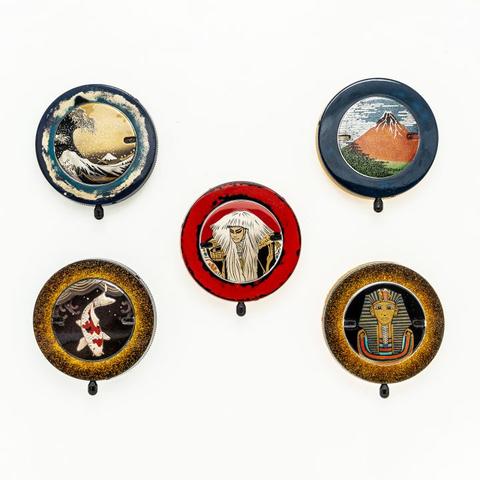
These are a very limited series of hand painted lenses depicting traditional Japanese artistic and cultural images. These stunning lenses are the result of a collaboration between MS-Optics' Miyazaki and urushii lacquer artist Daisuke Matsunagi.

Aporia 24mm

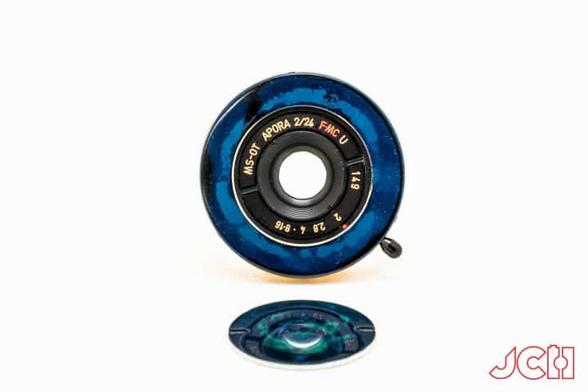
In case you didn't know, Miyazaki san is always trying out new things and sometimes he gets quite carried away with his vision. So imagine my surprise when he told me he was making a very limited series of lenses which have been inspired by Ukio-e style woodblock prints. For a base he used his most recent lens, the Aporia 24mm f2, which he recently released in Urushii blue as well.

Miyazaki san often tells me of his ideas and many of them are his daydreams, so when I opened the box to these I understood that one of his dreams had come true. There are 5 lenses in the series, with only 10 pieces of each being made. Each lens one painstakingly hand painted and will be completely unique from the others. The level of detail is mind blowing. These are more than just lenses, they are objets d'art.

The painter Daisuke Matsunage 松木 大輔 is recognized by the Japanese government as traditional master craftsman. His talent is clearly evident in the beautiful and highly detailed work on these lenses. They have a shine to the lacquer which makes them shimmer in the light.

All of the lenses are inspired by Japanese themes, apart from one which stands out….The Tutankhamun lens. Though I am not entirely sure, I am guessing the painter likes ancient Egypt. But it is still painted in the traditional (and time consuming) ukio-e lacquer.

The Great Wave lens

Perhaps one of the most famous Japanese pieces of artwork, this is 'The great wave off Kanagawa'. The urushii lacquer has been brushed back to create a weathered and almost sandy feel to the lens.

The Mt. Fuji lens

One of the famed 36 views of Mt. Fuji by Hokusai, this is 'Fine wind, clear morning' which is one of my favourite pieces of Japanese art. This lens is simply incredible and I kind of want to keep it.

The Goldfish lens

Goldfish were featured prominently in Ukio-e prints during the edo period and was seen as not only a status symbol, but also thought to bring wealth, fortune and good luck.

The Kabuki lens

Kabuki theatre is another Japanese art form that has its roots in the Edo period. The actors wear elaborate and highly stylized costumes and makeup in plays that are now recognized by UNESCO as an intangible national asset. This lens details the actors costume in fine detail and the vivid red is as impactful as the Kabuki makeup.

King Tut

Influenced by a love of Egyptian antiquity or perhaps trying to push the boundaries of the craft, Matsunage san created a portrait of the boy king. The golden shine on the coating of this lens is mesmerizing.

Each lens comes in its own wooden box with a printed cloth and the history of the artist printed as well. These lenses will be available soon, but we only have one of each, so you can register your interest by contacting us directly here. If you are a completely crazy person and you want to buy the complete set then let us know asap.

JCH

The post Camera Geekery: MS Optics Ukio-e Special Edition Lenses appeared first on Japan Camera Hunter.

#camerageekery #storeitems #aporialens #handpaintedlens #msoptics #msopticsaporia #msopticslens #msopticslenses #msoptical #ukioelens

Camera Geekery: MS Optics Ukio-e Special Edition Lenses - Japan Camera Hunter

MS Optics Ukio-e Special Edition Lenses We often get some amazing things coming through JCH HQ, so it takes something really special to have our jaws on

Japan Camera Hunter
Adapt One of the Sharpest Contax Lenses to Your Camera

The Contax 90mm f2.8 G is said to be one of the sharpest lenses by the company, and possibly ever made. It renders such a gorgeous look.

The Phoblographer