This #EMmonday we’re looking at microvesicle release from inner segments of #photoreceptors. #TEM image shows microvesicle next to endocytic, clathrin-coated pit.
📖 @DMM_Journal: https://doi.org/10.1242/dmm.049871
#Microvesicle #Retina #Vision #Science #FocalPlane #Biology #Imaging

Microvesicle release from inner segments of healthy photoreceptors is a conserved phenomenon in mammalian species
Summary: Healthy photoreceptor cells release extracellular vesicles directly from their inner segment compartment. This process appears to be amplified in some photoreceptor degenerative models for disposal of mistrafficked proteins.
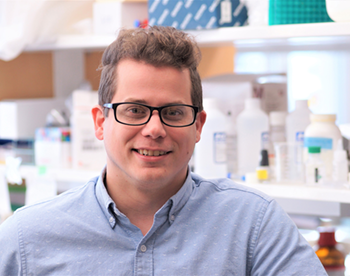
Meet Dr Tylor Lewis, postdoc in Dr Vadim Arshavsky's lab @dukeeyecenter @DukeHealth & first author of a new paper exploring #microvesicle release from healthy #photoreceptors, which is amplified in inherited #VisualDiseases
Read his interview and research article below:
👨🏻🔬https://t.co/4JOTbV6aFE
📰https://journals.biologists.com/dmm/article/15/12/dmm049871/284357/
#OpenAccess

First person – Tylor Lewis
First Person is a series of interviews with the first authors of a selection of papers published in Disease Models & Mechanisms, helping researchers promote themselves alongside their papers. Tylor Lewis is first author on ‘ Microvesicle release from inner segments of healthy photoreceptors is a conserved phenomenon in mammalian species’, published in DMM. Tylor is a postdoc in the lab of Vadim Arshavsky at Duke University Medical Center, Durham, NC, USA, investigating the biology of the visual system and the pathophysiological mechanisms of retinal disease.
 FocalPlane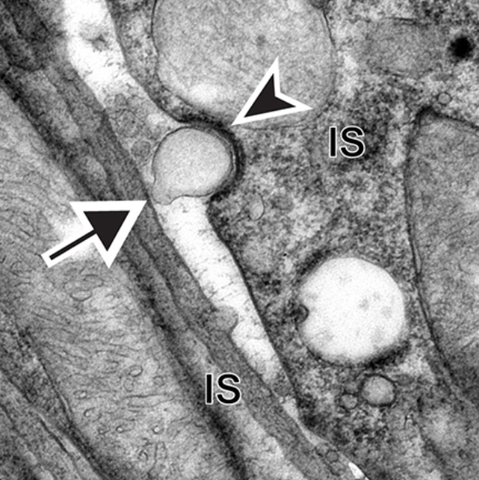
 DMM Journal