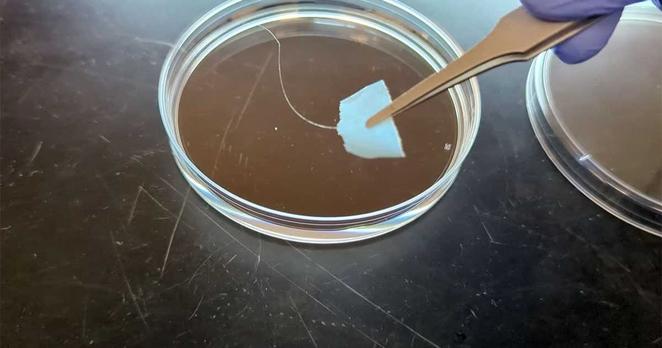
Researchers are extracting the naturally occurring, honeycomb-like fiber networks from prickly pear cactus waste to develop sustainable, low-carbon composite building materials.
#MaterialScience #Engineering #AgriculturalScience #sflorg
https://www.sflorg.com/2026/05/ms05152601.html

Sustainable Cactus Building Materials

Discover how engineers use prickly pear cactus waste to create low-carbon, biodegradable composite building materials for a sustainable future.

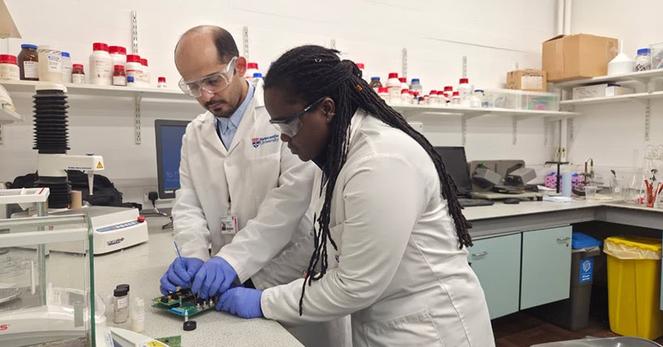
An innovative, water-based electrically conductive adhesive that functions like traditional solder to join electronic components, but can be easily debonded for efficient recycling.
#Chemistry #Engineering #MaterialScience #sflorg
https://www.sflorg.com/2026/05/chm05142601.html
Reversible Conductive Glue: E-Waste Solution

Discover the reversible, water-based conductive glue that replaces solder, enabling easy recycling of electronic components and reducing global e-wast

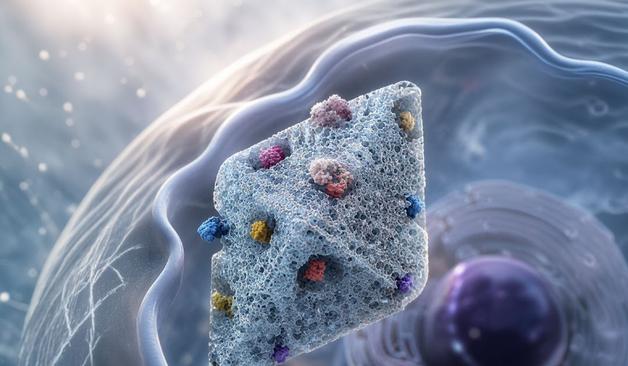
Scientists have engineered synthetic organelles using tiny sponge-like particles to transport a team of six proteins into living cells, creating a nanoscale factory that produces therapeutic compounds directly inside the cell.
#Nanotechnology #Bioengineering #MaterialScience #SyntheticBiology #sflorg
https://www.sflorg.com/2026/05/nt05142601.html
Nanoscale drug factory helps cells make medicine from within

Researchers use nanomaterials to build synthetic organelles and nanoscale drug factories inside cells for targeted disease therapy.

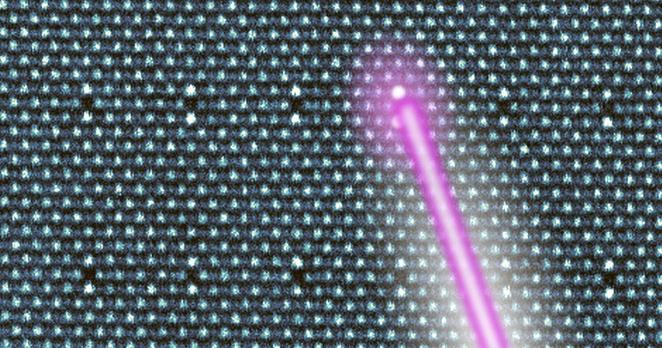
A novel methodology for deterministically moving tens of thousands of individual atoms within the three-dimensional crystalline lattice of a solid material at room temperature.
#MaterialScience #QuantumScience #Nanotechnology #SolidStatePhysics #sflorg
https://www.sflorg.com/2026/05/ms05132601.html
Researchers “reprogram” materials by quickly rearranging their atoms

MIT researchers have developed a rapid technique to rearrange atoms within 3D materials, enabling stable quantum devices and programmable matter.

A non-toxic, highly stretchable thermoplastic developed from #cannabidiol (CBD) found in #hemp plants, functioning as a sustainable replacement for petroleum-based plastics like polyethylene terephthalate (PET).
#Chemistry #MaterialScience #sflorg
https://www.sflorg.com/2026/05/chm05132601.html
A Hemp-based Plastic Offers a Greener Alternative to Plastic Packaging

Hemp-derived thermoplastic utilizing CBD offers a sustainable, highly durable, and recyclable alternative to petroleum-based PET.

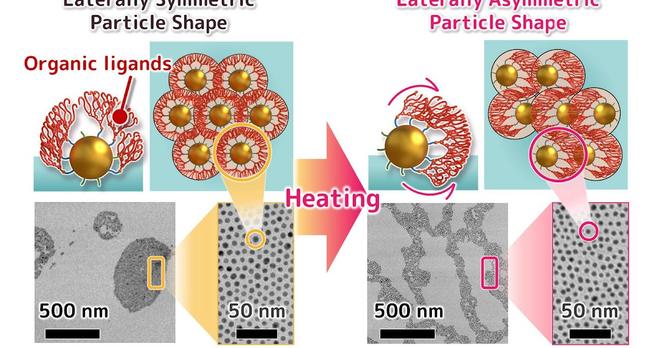
Gold nanoparticles coated with specific organic molecules can dynamically reorganize their large-scale two-dimensional arrangements at an air/water interface, exhibiting fluid, responsive behavior.
#Nanotechnology #MaterialScience #Chemistry #sflorg
https://www.sflorg.com/2026/05/nt05132601.html
Gold Nanoparticles That Behave Like a Liquid

Gold nanoparticles at an air/water interface dynamically reorganize their structures in response to temperature and compression shifts.

Researchers Observe "Ferrons," Polarization Waves with Potential Upsides

Scientists found new 'ferrons' polarization waves. This could help quantum computing and phones. Learn what it means for technology.

#Ferrons, #PolarizationWaves, #QuantumComputing, #Telecommunications, #MaterialScience

https://newsletter.tf/scientists-find-new-ferrons-polarization-waves/

New 'Ferrons' Polarization Waves Found by Scientists

Scientists found new 'ferrons' polarization waves. This could help quantum computing and phones. Learn what it means for technology.

NewsletterTF

Researchers have discovered 'ferrons,' which are like organized waves in materials. This is a new finding that could lead to better technology in the future.

#Ferrons, #PolarizationWaves, #QuantumComputing, #Telecommunications, #MaterialScience
https://newsletter.tf/scientists-find-new-ferrons-polarization-waves/

New 'Ferrons' Polarization Waves Found by Scientists

Scientists found new 'ferrons' polarization waves. This could help quantum computing and phones. Learn what it means for technology.

NewsletterTF
Silk-amyloid-mussel (SAM) protein hybrids are bioengineered materials produced by genetically modified microbes that serve as a fully recyclable, biodegradable alternative to synthetic textiles.
#SyntheticBiology #MaterialScience #Engineering #Environmental #sflorg
https://www.sflorg.com/2026/05/sybi05102601.html
Synthetic biology leads to recyclable textiles: Engineered protein fibers for a cleaner future

Explore how engineered SAM protein fibers offer a fully recyclable, biodegradable alternative to synthetic textiles to stop microplastic pollution.

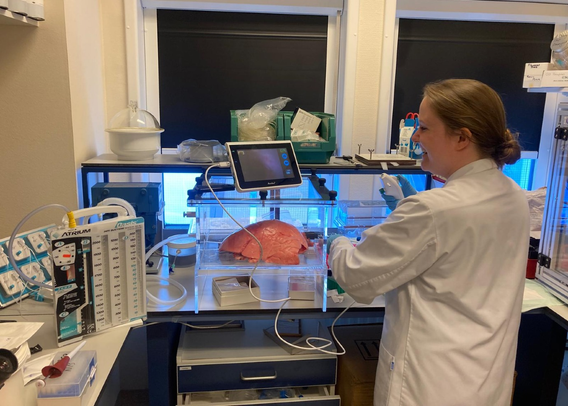
🫁‘Materials that implants are made of often cause inflammation or tissue damage.’

Prof. of Polymer Science Marleen Kamperman & research team at the UG & UMCG are developing softer materials for stents and valves, as well as less invasive means to insert them using magnets.🧲

Curious? Read more 👇
🔗 https://www.rug.nl/fse/news/science-in-focus/the-hard-challenge-making-implants-soft-and-smart

🧪 #SciComm #ScienceNewsroom #materialscience #lungs #biomaterials #biology #research #science #engineering #scientistsOnMastodon
@universityofgroningen @umcgresearch
#HTRIC