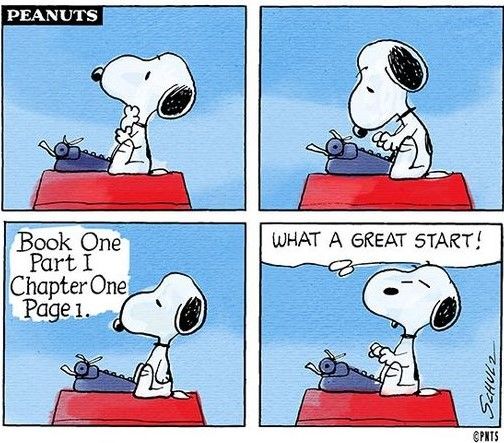
#amwritingcrime #authorproblems #indieauthor #vss365 #iwrite inventingrealityediting.com/2...
Try ‘Taster Book’ if New to Se...
Try ‘Taster Book’ if New to Self-Publishing
If new to self-publishing, consider doing a “taster book” first. A taster book has a low word count (and subsequently few pages) that you can use to learn the self-publishing process. If a fic…
#amwritingcrime #authorproblems #indieauthor #vss365 #iwrite #amwriting inventingrealityediting.com/2...
Constructing Your Story’s Main...
Constructing Your Story’s Main Character
Typically a story is about a single character who overcomes some problem. This player in your story is called the main character. Common examples are Dorothy in “The Wizard of Oz,” J…
Create a riveting opener for your story
#amwritingcrime #authorproblems #indieauthor #amwritingromance #iwrite inventingrealityediting.com/2...
Create a Riveting Opener for Y...
Create a Riveting Opener for Your Story
A vital part of your story is the opening lines, also known as the inciting incident. In this section of your story, we learn who the main character is, the central problem facing him and a li…
 Rob Bignell, Editor/Author