New in our electronic collection:

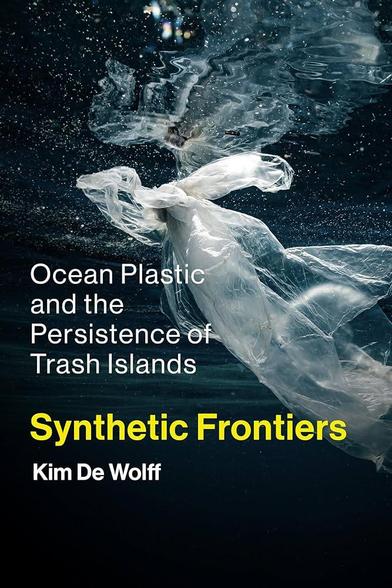
➡️ Synthetic Frontiers: Ocean Plastic and the Persistence of Trash Islands

🔗 https://doi.org/10.7551/mitpress/15813.001.0001

"Bringing feminist science and technology studies approaches to materiality together with hydrohumanities critiques of terracentrism, Kim De Wolff shows how ocean plastic pollution is shaped by land/water divides and the fluidities that defy them."

#Ocean #OceanPlastic #OpenAccess #OpenScience #Book #Books #Bookstodon #Pollution #FeministScience #Environment

Africa: Sexism in Science - 7 Women Whose Trailblazing Work Shattered Stereotypes: [The Conversation Africa] Seven women were part of a trailblazing network of feminist scientists in the 1970s, 1980s, and 1990s in the Boston area in the US. Christa Kuljian is a science writer and historian of science who focuses much of her research on issues of science and society, gender and race. She is… http://newsfeed.facilit8.network/TL6JsN #WomenInScience #GenderEquality #FeministScience #Trailblazers #WomenEmpowerment
Evelyn Fox Keller (1936–2023), philosopher who questioned gender roles in science

Mathematical biologist, philosopher and historian of science who challenged the vision of science as a masculine activity.

Another day, another missing woman in science "this narrative of scientific discovery is missing Mojsov who also published early papers on GLP-1. She later fought to be added to crucial patents that initially omitted her."
#womeninscience #feministscience #missingwomen #creditwherecreditisdue
https://www.science.org/content/article/her-work-paved-way-blockbuster-obesity-drugs-now-she-s-fighting-recognition
#FeministScience continues to change our knowledge of #sexualselection
"Darwin’s descriptions of females were gender-biased, but bias in current sexual selection research is less recognized. The history of sexual selection research shows that research starts with male-centered investigations or explanations [but] the incidence of female precedence is low. This history provides an illustrative example by which we can learn 2 recognize biases & identify gaps in knowledge."
http://europepmc.org/article/MED/36379954