Patreon CEO Calls "Fair Use" Claims for AI Training "Bogus," Demands Creator Compensation

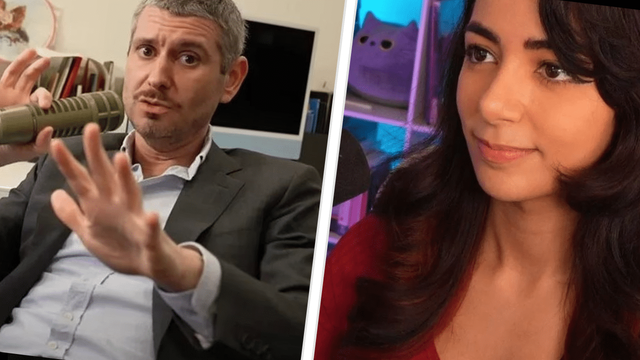
Patreon CEO Jack Conte calls AI companies' "fair use" claims for training on creator art "bogus" and demands compensation for artists.

#AIart, #CreatorEconomy, #Patreon, #FairUse, #Copyright

https://newsletter.tf/patreon-ceo-ai-training-art-compensation/

Patreon CEO Jack Conte says AI companies are using artists' work without paying them, calling it "bogus."

#AIart, #CreatorEconomy, #Patreon, #FairUse, #Copyright
https://newsletter.tf/patreon-ceo-ai-training-art-compensation/

Patreon CEO says AI using art for training is "bogus" without paying artists

Patreon CEO Jack Conte calls AI companies' "fair use" claims for training on creator art "bogus" and demands compensation for artists.

NewsletterTF

COURT DECISIONS FRACTURE AI TRAINING COPYRIGHT DEBATE

New court cases in the US and Europe are causing confusion about using copyrighted books and art to train AI. Find out how this affects creators and AI developers.

#AICopyright, #FairUse, #AITrainingData, #CreatorRights, #LegalTech

https://newsletter.tf/ai-training-copyright-lawsuits-us-europe/

AI Training Copyright Lawsuits Cause Legal Fights in US and Europe

New court cases in the US and Europe are causing confusion about using copyrighted books and art to train AI. Find out how this affects creators and AI developers.

NewsletterTF

Recent court rulings on AI training data are split, with some favoring AI developers and others siding with creators. This means the rules for using copyrighted material for AI are still unclear.

#AICopyright, #FairUse, #AITrainingData, #CreatorRights, #LegalTech
https://newsletter.tf/ai-training-copyright-lawsuits-us-europe/

AI Training Copyright Lawsuits Cause Legal Fights in US and Europe

New court cases in the US and Europe are causing confusion about using copyrighted books and art to train AI. Find out how this affects creators and AI developers.

NewsletterTF

Publishers, Authors File Brief Supporting Music Publishers in Lawsuit Against Anthropic

The publishers warn that a fair use ruling in the music publishers' case could have grave implications for the developing license regime for AI.
The post Publishers, Authors File Brief Supporting Music Publishers in Lawsuit Against Anthropic appeared first on Publishing Perspectives.
https://publishingperspectives.com/2026/03/publishers-authors-file-brief-supporting-music-publishers-in-lawsuit-against-anthropic/

#AAP #AI #Copyright #FairUse #lawsuits

Publishers, Authors File Brief Supporting Music Publishers in Lawsuit Against Anthropic - Publishing Perspectives

The publishers warn that a fair use ruling in the music publishers' case could have grave implications for the developing license regime for AI.  

Publishing Perspectives
AOC Photographer Loses Copyright Case Over Image Used in Illegal Parking Story

'These are plainly transformative uses.'

PetaPixel

Dat large language models (LLMs) zijn getraind op auteursrechtelijk beschermd materiaal (soms zelfs verkregen uit zogenaamde shadow libraries) staat inmiddels wel vast. Als ze voor de rechter worden gedaagd, bestrijden de bedrijven achter de LLMs dit meestal niet, maar ze beroepen zich op het 'transformatieve gebruik' uit de fair use-bepaling in het Amerikaanse auteursrecht. Het argument komt neer op: a. we hebben dit materiaal alleen gebruikt voor trainingsdoeleinden zodat ons model nieuwe en originele content kan produceren, en b. we hebben filters geplaatst om te voorkomen dat gebruikers iets kunnen laten genereren 'in de stijl van' een bepaalde maker, laat staan letterlijke tekst.

Dit onderzoek haalt die claims onderuit. Na finetuning (laat eerst een samenvatting genereren van een korte passage uit een origineel werk, en laat een LLM van deze samenvatting vervolgens een langere versie 'schrijven') blijken drie LLMs (GPT-4o, Gemini-2.5-Pro, DeepSeek-V3.1) ondanks die filters grote lappen letterlijke tekst uit oorspronkelijke werken uit te spuwen, tot meer dan 460 woorden lang. Bijzonder is verder dat als die finetuning is gebaseerd op het werk van een specifieke auteur, ook het werk van andere, ongerelateerde auteurs bijna woordelijk wordt gereproduceerd. Bovendien laat het onderzoek zien dat wat de modellen reproduceren wel gebaseerd moet zijn op het gehele werk (niet op stukken eruit die elders op internet gevonden kunnen zijn) en het dus aannemelijk is dat voor het trainen gepirateerde teksten zijn gebruikt.

Waar Amerikaanse rechters in recente uitspraken zijn meegegaan in de argumenten van de bedrijven achter de LLMs, suggereren deze uitkomsten dat ze tot andere uitspraken zouden zijn gekomen als ze dit hadden geweten. En het argument dat de modellen in andere landen mogen worden gebruikt zolang de training maar in de VS (onder 'fair use') heeft plaatsgevonden, gaat niet op wanneer de teksten die LLMs genereren bijna woordelijke reproducties zijn van beschermde werken - en dus geen 'transformaties'.

#auteursrecht #ai #llm #gpt #gemini #deepseek #copyright #fairuse

link naar artikel (pre-print, Arxiv): https://lnkd.in/eSiHFiwF

LinkedIn

This link will take you to a page that’s not on LinkedIn

Blocking The Internet Archive Won’t Stop AI, But It Will Erase The Web’s Historical Record

Imagine a newspaper publisher announcing it will no longer allow libraries to keep copies of its paper.  That’s effectively what’s begun happening online in the last few months. The Internet A…

Techdirt

@yoasif @rootwyrm @quarknova Scraping open content is going to happen. What we do about it needs to be much more robust, technically and legally.
a) AI scraping is not fair use bc of vast profit made by AI Co's, and amount of content scraped/copied.
b) fair use is a US construct, interpreted differently elsewhere. EFF know this. (https://www.eff.org/deeplinks/2016/02/murky-waters-international-copyright-law)
c) to me, EFF decision seems contrary to their own standards.
d) AI scraping goes against most CC licences.

#AI #fairuse #academia #copyright

The Hypocrisy at the Heart of the AI Industry

Tech companies believe in intellectual property, but not yours.

The Atlantic