 N.A. Ferrell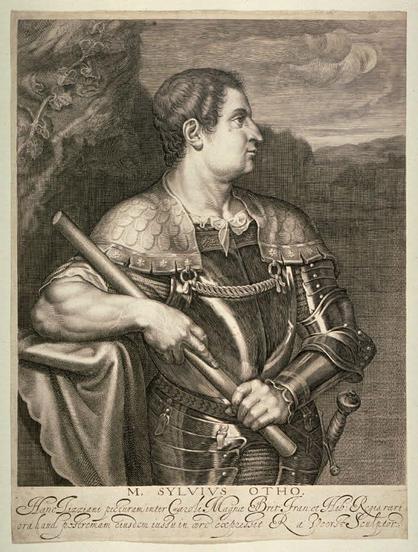
 El Pregoner del Metall
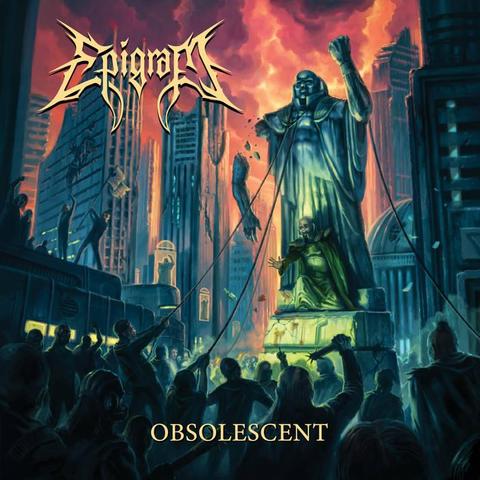
EPIGRAM (Estats Units) presenta nou àlbum: "Obsolescent" #Epigram #MelodicDeath #BlackMetal #Març2026 #EstatsUnits #NouÀlbum #Metall #Metal #MúsicaMetal #MetalMusic
For those of you who may be looking for a "shorter" Otho read, I published a lighter post on Martial's Epigram about the death of Otho four years to the day.
https://thenewleafjournal.com/martials-epigram-on-emperor-otho/
𝑭𝒓𝒐𝒎 𝑾𝒂𝒚𝒘𝒐𝒓𝒅𝒔: "𝑬𝒑𝒊𝒈𝒓𝒂𝒎𝒔" -
In the mood for some pithy wisdom? Maybe move on. . . .
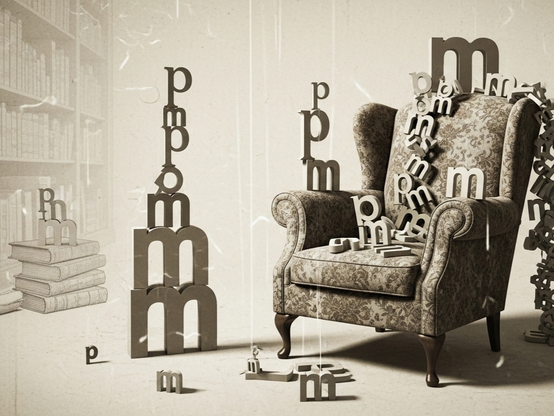
Now that my son is back home, unscathed, I shall deliberately steer my mind away from the unsettling topic of #BrownUniversity #shooting, and switch back to my comfortable stomping ground: programming languages.
For more than five decades, mathematicians, logicians, philosophers, and computer scientists have been profitably using the succinct, cogent, 2D mathematical notation in their type theoretic publications. Yet, the dependently typed languages, despite their modernity, struggle with their 1D type-level syntaxes. These languages, by their very nature, demand from the user a level of mathematical sophistication uncommon amongst the IT JavaScript webapp coders. As such, the only ones who are currently using these languages are those programmers with a mathematical bent.
So, these languages might as well drop their 1D syntactic pretences, and adopt the 2D syntax adapted from the mathematical notation universally used in simple, dependent, and homotopy type theoretic publications—something akin to the syntax of #Epigram.
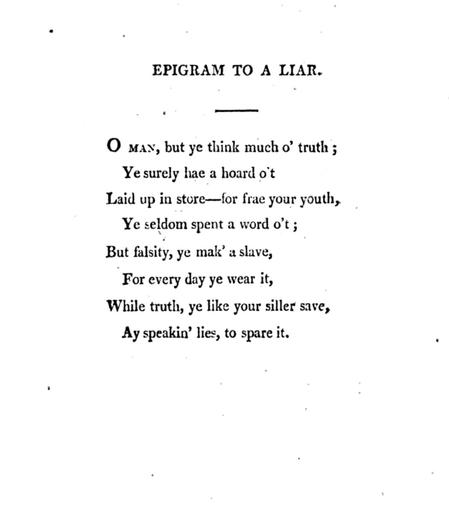
O man, but ye think much o’ truth;
Ye surely hae a hoard o’t
Laid up in store—for frae your youth,
Ye seldom spent a word o’t;
But falsity, ye mak’ a slave,
For every day ye wear it,
While truth, ye like your siller save,
Ay speakin’ lies, to spare it.
—“Epigram to a Liar”, by Hugh Porter (c.1780–?), the Ulster–Scots weaver-poet known as “the Bard of Moneyslane”. Published in POETICAL ATTEMPTS (1813)
#Scots #Scotslanguage #UlsterScots #poem #poetry #humour #epigram

 Waywords Studio
 Daniel Bellingradt
 amen zwa, esq.
 subcormoRant 🏴
 Assoc for Scottish Literature
 stoicmike
 🇪🇷Götterdämmerung
 Piggleston Pecanpants