New Study Reveals Source of Rain is Major Factor Behind Drought Risks for Farmers
UC San Diego–led research shows that understanding where rain comes from could reshape drought planning and land management across the globe.
#drought #droughtrisk
https://today.ucsd.edu/story/new-study-reveals-source-of-rain-is-major-factor-behind-drought-risks-for-farmers

New Study Reveals Source of Rain is Major Factor Behind Drought Risks for Farmers
A new University of California San Diego study uncovers a hidden driver of global crop vulnerability: the origin of rainfall itself. Published in Nature Sustainability, the research traces atmospheric moisture back to its source.
Alberta has concluded negotiations with major water licence holders and is now outlining what it calls the largest water-sharing agreements in its 118-year history.
#droughtrisk #Alberta https://www.cbc.ca/news/canada/calgary/alberta-rebecca-schulz-water-irrigation-evan-davies-1.7178619
Alberta unveils what it calls the largest water-sharing deals in its history | CBC News
Alberta has concluded its negotiations with major water licence holders and is now outlining what it calls the largest water-sharing agreements in Alberta’s 118-year history.
New NIOO publication: Towards Design Principles for Good Multi-Level
#Drought Risk
#Governance: Some Lessons from the
#Rhine Basin.
#waterscarcity #climatechange #droughtrisk #riverbasinhttps://doi.org/10.3390/w16060879
Towards Design Principles for Good Multi-Level Drought Risk Governance: Some Lessons from the Rhine Basin
In times of climate change, periods of drought will occur more frequently. This causes challenges for water use, ranging from limitations on the navigability of water courses, limited availability of water for irrigation and drinking water supply, reduced hydropower production, increasing concentrations of pollutants, deteriorating water quality, and ecosystem degradation. Dealing with droughts, however, is a complex puzzle due to the multi-level governance characteristics of international river basins and the need to meet the freshwater demands of all sectors involved. This increases the need to address drought issues in a coordinated way, along all levels of decision making. Thus far, the way this must be executed has been under-researched. This paper addresses this knowledge gap as it aims to provide design principles for good multi-level drought risk governance in international river basins. In order to meet our aim, we first reviewed literature on multi-level and good governance and established an assessment framework. This framework was applied in a case study on drought risk governance in the international Rhine basin. Policy documents were analyzed and key informants interviewed. We found that although the governance practice in the basin meets most of our framework criteria, differences between the international level, the Netherlands, Germany, and Switzerland also occurred. We have synthesized our findings into a list of 10 design principles for good multi-level drought risk governance, which could function as a starting point for the analysis and improvement of other multi-level drought risk governance practices.
 💧🌏 Greg Cocks

 Denise Gutzmer
 International Joint Commission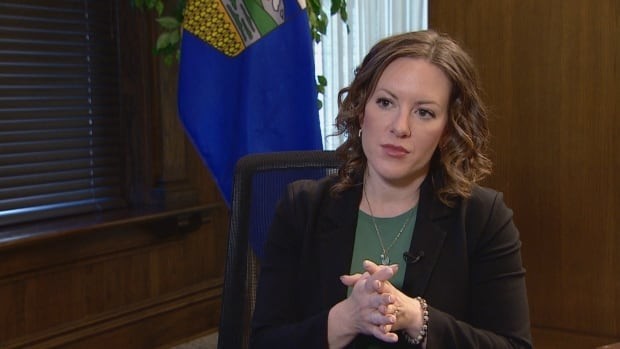
 NIOO-KNAW