 Nils D.
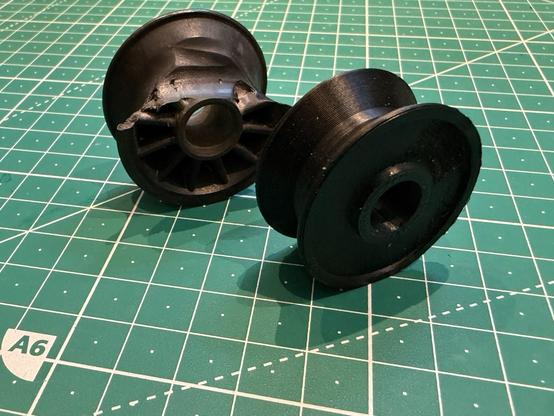
Best PC/ABS print so far. Finally have an another spare part for my sailboat now! #prusa #coreone #sailing #3dprinting
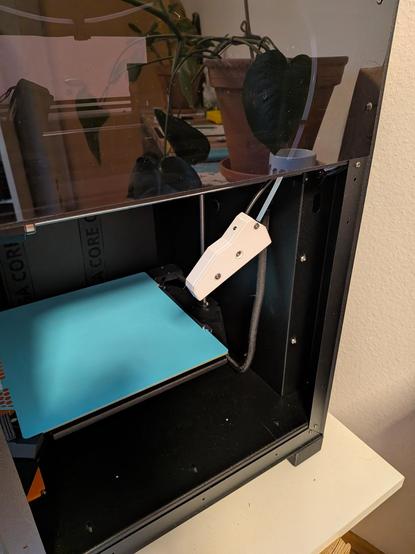
Mein Core One hat gestern das Filamentsensor Upgrade vom + bekommen.
Das ist echt durchdacht: man kann mit einem Schalter nun einstellen, dass die kleine interne Klemme keinen Wiederstand hat um flexibles Filament einzuführen.
Es war allerdings eine Fummelarbeit den Sensor wieder zusammen zusetzen. Man musste dazu zwei sich abstoßenden Magneten bändigen. Und alles dann inkl Griff, kopfüber auf die Außenwand schrauben (dafür hätte man gut eine 3. Hand gebraucht) #Prusa #CoreOne #3dprinting
Moved the #CoreOne from a LACK to a BROR table (metal frame) that I also installed leveling feet on. Pretty great. No more eek-eek-eek-eek when it gets moving.
Also comparatively no effort involved. It just costs 10 times more.
Finally took the time to publish another oddly specific model for #3Dprinting.
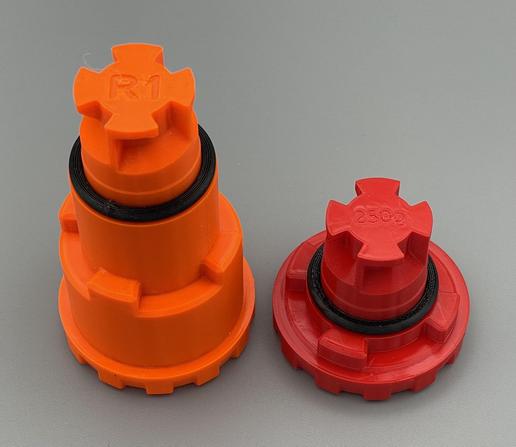
Průša CORE One+ Spoolholder for 250g mini spools (eg. Buddy3D, Amolen)
https://www.printables.com/model/1499153-prusa-core-one-spoolholder-for-250g-mini-spools-eg
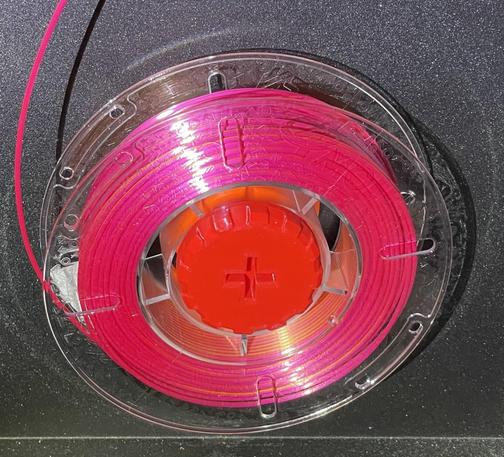
If you’re occasionally using tiny 200-250g spools, like they come with variety packs, filament tasting sets or generous samples, this model is a reliable solution to spool-wobble.
Locks into place like the original spool holder, but works reliable with tiny spools.
There is in fact no calibration procedure for the side filament sensor. You can’t fail QA at the factory if you just don’t Q the A!
It might just be an issue with a magnet not being pushed in far enough, but regardless it’s going to require complete removal of the side panel. Love to get all these basic-ass printer assembly 101 mistakes.
I almost don’t want to bother because the INDX setup obviously doesn’t use this sensor at all, but that would leave me with no way of doing filament runout properly.
I did fix the z-axis binding, I think. I printed the alignment tools but I think it was really just the screws being too tight. Tighten the screws, but not Too Tight!
#Prusa #CoreOne continued: it’s been really cold so I let the printer sit overnight. Also I was rather annoyed yesterday.
Step one: remove protective plastic. They installed the rivets on top of the plastic, which means I’m left with these little shreds of plastic film. Also a non-zero chance of pulling the rivets out. The front panel has no film at all and is covered in dust and handprints. Not sure why they wouldn’t install the panels properly and then put plastic on top of everything, like I’ve definitely gotten from a Chinese company.
Step two: plug in the power cable. Just like the MK4S, the outlet does not offer a confident connection. Routing is just weird.
Step three: install build plate.
The whole heat bed fucking wobbled at this point. The left mount is very loose, the rear mount is a little loose, and the right mount has no screws at all. There are no spares included, so this is definitely a showstopper if you don’t have any. M3x18 if you’re asking.
I also looked at the heat bed wiring cover at this point and it looks funny… either a screw is missing or is completely mangled. Nope, it’s a torx head, which is probably sensible.
Why is American manufacturing dead? It offers incredible quality!
So I spent $xxxx on an "assembled" #Prusa #CoreOne and... the xLCD assembly is missing screws and square nuts. Can you run it like this, yes, but you probably shouldn't.
If it weren't for the fact that this is my 3rd Prusa and I have just enough spare nuts lying around, I'd be dead in the water until at least Wednesday, and that's assuming the local subsidiary addresses my issue and not Prusa in Prague.
As always the Prusa parts have optimistic tolerances so there was some light hammering and inappropriate use of screwdriver bits. But the xLCD is attached now.
Also, I get that these are pseudo-industrial machines, but if you got something new that looked like this from Amazon you'd get refunded. Wear marks all over the place, dust, and some of the paint on the door handle is coming off. On the plus side, no China factory smell.
 coding-lemur
 Dennis
 Dennis Hoppe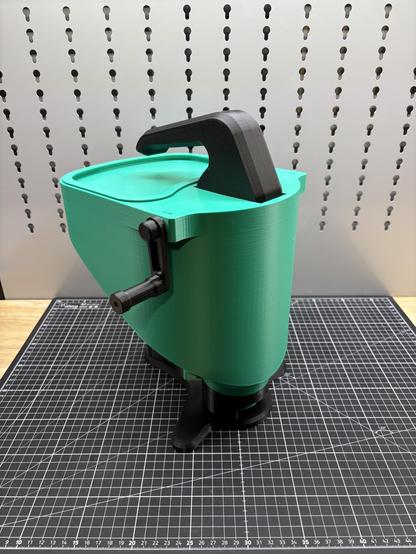
 MacLemon