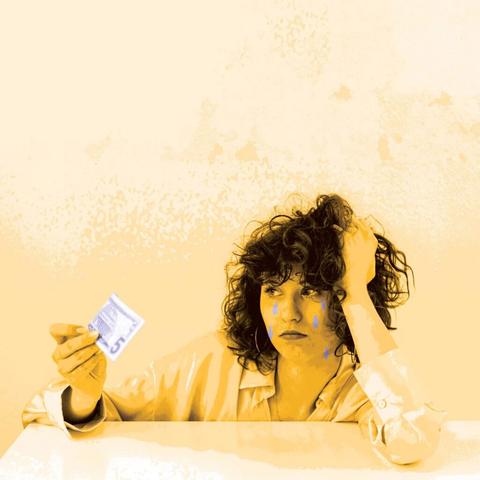
GROWING AWAY FROM FINANCIAL GUILT
I still remember the first time I was scared of running out of money. I was 16, in the back of a cab running late to the airport, watching the meter jump higher and higher and silently praying my debit card wouldn’t decline at the end.
When the driver tore off the receipt, handed it to me, and wished me safe travels, the relief that washed over me is hard to describe.
It wasn’t just about the ride—it was the first time I realized just how tight things were, how much my parents were sacrificing to send me abroad, and how different life felt when money wasn’t something I could ignore or defer to my parents on.
That whole first year in Canada, I dreaded checking my bank account. I’d swipe my card and cross my fingers, and completely avoided opening my online banking app.
It wasn’t because I was reckless, I was actually quite frugal to a fault maybe. But no matter how careful I was, the numbers always told the same depressing truth:. I simply didn’t have enough and I didn’t feel good asking my parents to give more.
Later in college, things shifted. I started studying finance, and I absorbed every lesson I could about money.
I became almost obsessive. Every dollar that didn’t go to rent, food, or bills was saved or invested.
If I spent money on something “non-essential,” I felt like I was robbing my future self. My younger self never checked her bank account; my college self checked it constantly.
Now, after working in finance through my 20s, I’ve tried to loosen my grip. I’ve realized that being “good with money” isn’t about constant vigilance or sacrifice—it’s about understanding what really matters. Looking back, there are four things that would have made my experience so much better.
1. Sometimes you just don’t have enough money.
At 16, I thought my anxiety meant I was failing at budgeting. If I had been smarter, more disciplined, less indulgent, surely I wouldn’t feel this constant shortage. But the truth was I simply didn’t have enough to cover my bills.
That realization would have spared me a lot of shame. Sometimes it’s just math. The stress of not having enough is already heavy enough without layering guilt on top.
2. Ruminating over every dollar doesn’t make you good at money.
In college, my friends would invite me to (insert any activity here) and I would spend so much time debating with myself whether it was worth it. I missed out on so many fun connections and moments.
A lot of early financial advice I absorbed glorified extreme frugality: make your coffee at home, never eat out, cut out every “unnecessary” expense. I lived by that for years, until I came across Ramit Sethi’s work on building a “rich life.”
His point was simple: spend on the things that truly matter to you, cut ruthlessly on the things that don’t, and stop letting guilt dictate every purchase.
That made such a huge difference in my life. I made space for more joy generosity and community, and I noticed how much lighter and more grounded I felt when I wasn’t constantly worried about spending because I had clarified what was meaningful to me.
3. Leave social media sooner.
Outside of its deleterious impact on our sense of community, ability to foster productive conversations and loneliness, social media truly sucks in that it hinders your ability to define for yourself what makes you happy. I would describe myself as a somewhat self assured person but I spent a lot of my early 20’s feeling less than.
Social media has a way of hijacking your definition of success. It tells you what to want before you even realize it’s happening. Stepping back gave me space to ask a more important question: What do I actually want? What makes me happy, separate from the noise?
4. Compound interest really does feel like magic.
With money, the idea is simple: when you save or invest, your money earns returns. Then those returns start earning returns themselves. Over time, the effect snowballs. A small, consistent effort made early grows into something surprisingly big.
But compound interest isn’t just about investing, it’s also about life. Whether it’s building skills, improving health, or deepening relationships, time and consistency matter more than intensity. You don’t need to be perfect. You just need to keep going.
Not long ago, I came across a bank statement I had submitted for immigration six years earlier. Looking at it, I was struck by how different my situation was back then. It’s so easy to forget how far you’ve come or to underestimate how much can change over time.
The future is always hard to picture, but progress has a way of showing up quietly, almost invisibly, until suddenly it’s undeniable.
Looking back, I can see how much of my relationship with money has been shaped not just by numbers, but by trying, failing and showing up.
If I could go back to that 16-year-old in the airport cab, I’d tell her that money is a tool, not a test or the end all be all. How you use it should serve the life you actually want, not the one the world tells you to chase.
#adolescence #bankStatement #Budgeting #buildingSkills #CHIDINMAMBANEFO #deepeningRelationships #Finance #Frugal #goodWithMoney #Immigration #improvingHealth #internationalStudents #Money #personalFinances #ramitSethi #socialMedia
 Kit Peters

 Reddit Tech VN Bot




 The Community Edition