DFG-Projekt INHILLDAUGAR startet mit Exkursion zu Burgwällen an der Daugava in Lettland - Zentrum für Baltische und Skandinavische Archäologie (ZBSA) — Zentrum für Baltische und Skandinavische Archäologie
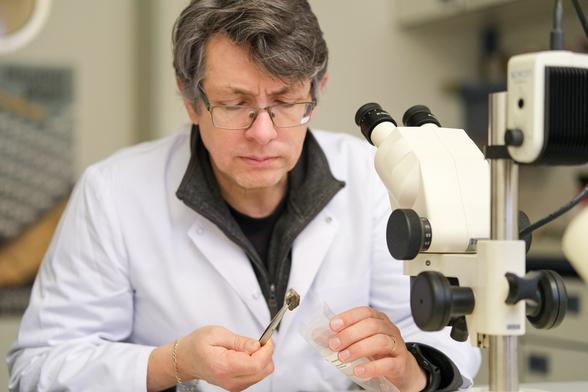
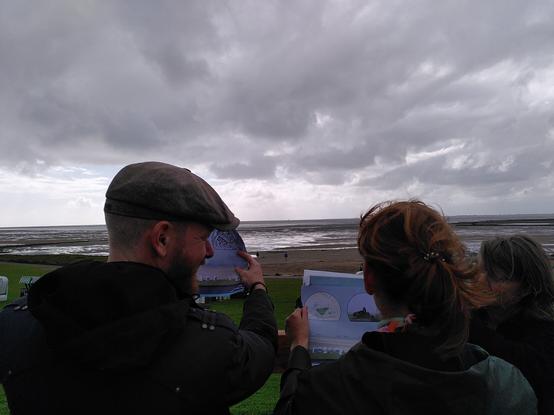
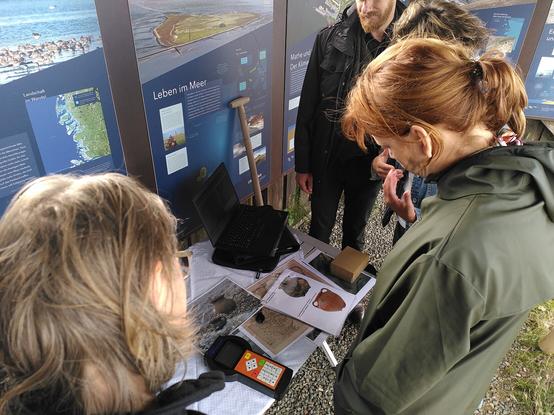
Zum Auftakt des im April dieses Jahres gestarteten DFG-Projektes „Interdisciplinary Hillfort Studies at the Daugava River: Merging and Decoding Archaeological, Environmental and Linguistic Data (INHILLDAUGAR)“, gefördert im Programm BeethovenCLASSIC 4 – Polish-German Funding Initiative, waren mehrere Wissenschaftler des ZBSA (Jens Schneeweiß, Timo Ibsen, Hans Whitefield) vom 22. bis 27. April 2022 in Lettland unterwegs. Das Projekt nimmt Burgwälle zwischen Bronzezeit und Mittelalter entlang des etwa 300 km langen lettischen Teils des Flusses Daugava in den Fokus und untersucht diese mit archäologischen, geoarchäologischen und linguistischen Methoden, um das Flusssystem mit seinen Befestigungsanlagen und deren direktes Umfeld als Ganzes zu verstehen. Am 22. April fand an der Philosophischen Fakultät der Universität Riga zunächst ein Kick-Off Meeting der Projektpartner aus Lettland (Vanda Visocka), Polen (Piotr Kittel, Jerzy Sikora, Artur Ginter, Jacek Szmańda) und Deutschland (Ilja A. Seržant, Aigars Kalnins, Leonid Vyazov) zur internen Koordinierung der Aufgaben und Pläne statt, bei dem das interdisziplinäre Projekt auch dem breiteren Publikum vorgestellt wurde. Auf der anschließenden 5-tägigen Exkursion besuchte das 10-köpfige Team insgesamt 31 Burgwallanlagen entlang des Flusses Daugava (Düna), die im Fokus der zukünftigen Forschungen stehen. Participants of the excursion Visit of hillfort Daugmale Aizkraukulas hillfort Aizkraukulas hillfort The mighty rampart-ditch system Assessment of stray finds Final meeting In der Antrags- und Planungsphase waren diese Burgwälle bereits anhand ihres Forschungspotentials klassifiziert worden. Es galt nun, die bisherigen Informationen zu überprüfen und die Anlagen in Bezug auf die Anwendbarkeit der Methoden und den zu erwartenden Kenntnisgewinn zu priorisieren. Einige der besuchten Plätze erwiesen sich dabei als unsichere Anlagen, bei denen keine eindeutigen Burgwallspuren oder ähnliche, auf anthropogene Befestigungsarbeiten hindeutende Veränderungen aufzufinden waren. Andere Anlagen dagegen eignen sich nach der Begutachtung hervorragend als mögliche Ansatzpunkte für Feldforschungen im Projekt in den kommenden drei Jahren von 2022 bis 2025. Die Geländearbeiten sind minimalinvasiv geplant, um schonend und effektiv zu neuen Kenntnissen über die fraglichen Fundplätze zu gelangen. Angewendet werden Bohrungen zur Klärung der naturräumlichen Bedingungen, darunter auch Veränderungen des Flusslaufes oder das Vorhandensein von Ressourcen wie z.B. Raseneisenerz. Neben herkömmlichen Testschnitten auf den Innenflächen und im Umfeld der Burgen zur Beurteilung der vorhandenen Kulturschichten und zur Gewinnung von Fund- und Probenmaterial, kommen an einigen der Wall-Graben-Systeme zusätzlich Kernbohrungen zum Einsatz, um den Aufbau und die verschiedenen Bauphasen der Anlagen herauszuarbeiten sowie um sie mit den Datierungen der Nutzungsphasen aus der Innenfläche abzugleichen. An vielen der besuchten Burgwälle wurde Keramik und andere Oberflächenfunde, etwa ein Spinnwirtel, Fragmente von Gußtiegeln oder Eisenschlacken, aufgelesen. Fast alle in Augenschein genommenen Anlagen wurden per Flugdrohne in Luftbildern und 3D-Modellen dokumentiert. Diese werden im Rahmen des Projektes zusammen mit Informationen zu früheren Grabungen aus den lettischen Archiven und den bereits in der einschlägigen Literatur veröffentlichten Informationen in einem Geographischen Informationssystem (GIS) zu einem sowohl digitalen als auch gedruckten Atlas der Burgwälle entlang der Daugava verschnitten.Das Ergebnis der Exkursion ist überaus vielversprechend: es bieten sich bei der Mehrzahl der 31 besuchten Burgwälle gute Bedingungen für die geplanten Feldforschungen, die bereits im Juni 2022 beginnen werden. DFG project INHILLDAUGAR starts with excursion to hillforts on the Daugava in Latvia At the start of the DFG project „Interdisciplinary Hillfort Studies at the Daugava River: Merging and Decoding Archaeological, Environmental and Linguistic Data (INHILLDAUGAR)“, funded by the BeethovenCLASSIC 4 – Polish-German Funding Initiative programme, several ZBSA researchers (Jens Schneeweiß, Timo Ibsen, Hans Whitefield) visited Latvia from 22 to 27 April 2022. The project focuses on hillforts between the Bronze Age and the Middle Ages along the approximately 300 km long Latvian part of the Daugava River and examines them using archaeological, geoarchaeological and linguistic methods in order to understand the river system with its fortifications and their immediate surroundings as a whole. On 22 April, a kick-off meeting of the project partners from Latvia (Vanda Visocka), Poland (Piotr Kittel, Jerzy Sikora, Artur Ginter, Jacek Szmańda) and Germany (Ilja A. Seržant, Aigars Kalnins, Leonid Vyazov) took place at the Faculty of Philosophy of the University of Riga for the internal coordination of tasks and plans, at which the interdisciplinary project was also presented to the wider public. During the subsequent 5-day excursion, the 10-member team visited a total of 31 hillforts along the Daugava (Düna) River, which are the focus of future research. Participants of the excursion Visit of hillfort Daugmale Aizkraukulas hillfort Aizkraukulas hillfort The mighty rampart-ditch system Assessment of stray finds Final meeting In the application and planning phase, these monuments had already been classified according to their research potential. It was now a matter of reviewing the previous information and prioritising the sites in terms of the applicability of the methods and the expected gain in knowledge. Some of the sites visited proved to be insecure, with no clear traces of ramparts or similar changes indicating anthropogenic fortification work. Other sites, on the other hand, are excellent starting points for fieldwork in the project over the next three years from 2022 to 2025. The fieldwork is planned to be minimally invasive, in order to gently and effectively gain new knowledge about the sites in question. Drilling will be used to clarify the natural conditions, including changes in the course of the river or the presence of resources such as turf iron ore. In addition to conventional test cuts on the inner surfaces and in the surroundings of the hillforts to assess the existing cultural layers and to obtain finds and sample material, core drillings are also used at some of the rampart-ditch systems in order to work out the structure and the different construction phases of the complexes, as well as to compare them with the dating of the phases of use from the inner surface. Pottery and other surface finds, such as a spindle whorl, fragments of cast iron crucibles or iron slag, were collected from many of the monuents visited. Almost all of the sites inspected were documented by a drone in aerial photographs and 3D models. Within the framework of the project, these will be combined with information on earlier excavations from the Latvian archives and information already published in the relevant literature, in a Geographical Information System (GIS) to create both a digital and printed atlas of hillforts along the Daugava.The result of the excursion is very promising: the majority of the 31 ramparts visited offer good conditions for the planned field research, which will begin as early as June 2022.
 Cluster ROOTS