#Ciberseguridad – Desafíos críticos para las áreas de Tecnología en la era de la IA agéntica

Por Adam Winston, Field CTO, WatchGuard Technologies

Puede que no te detengas a pensar a menudo en cuánto ha avanzado la seguridad informática en los últimos 30 años; la evolución es, sencillamente, espectacular. Los primeros ataques —virus que se pasaban en disquetes, gusanos que se propagaban en busca de notoriedad y acciones de hacktivismo ligadas a una causa— se percibían casi más como “punk rock” que crimen organizado. Hoy, según Canalys, el ransomware es la principal preocupación de las pequeñas empresas y pymes. Pero, ¿seguirá siendo así? (Fuente WatchGuard Latam).

Durante décadas, la ciberseguridad se ha basado en poner tecnología entre el atacante y tus aplicaciones: firewalls perimetrales que protegían el borde de la red y soluciones antivirus o de protección de endpoint en equipos Windows que detectaban el malware conocido. Estas herramientas se diseñaron para frenar intrusiones técnicas directas.

En WatchGuard lo sabemos bien: llevamos 30 años trabajando para unificar los componentes adecuados a medida que las aplicaciones han ido evolucionando, con el objetivo de encontrar una forma mejor, más rápida y más robusta de detectar y responder a las ciberamenazas.

Pero los atacantes han aprendido que la forma más rápida de monetizar sus esfuerzos suele estar fuera de la propia tecnología. En lugar de intentar superar el firewall, hacen phishing al usuario. En vez de romper la protección del endpoint, consiguen que un empleado les conceda acceso o se convierta, a veces sin querer, en una amenaza interna. El resultado es que las mismas tecnologías en las que las organizaciones han invertido pueden ser eludidas no mediante exploits técnicos, sino aprovechando el comportamiento humano.

Ahora, como ocurre con casi todo en el mundo de la informática, los nuevos avances en inteligencia artificial están moldeando la forma en que se desarrollan los ataques. En lugar de que un atacante altamente cualificado tenga que trabajar minuciosamente sobre cada red y cada usuario para encontrar datos sensibles o sistemas críticos, puede automatizar todo el proceso utilizando IA agéntica basada en agentes. Un reciente ciberataque agéntico en Anthropic demuestra que no solo están cambiando los métodos, sino también el propio perfil de los atacantes.

¿Significa esto que necesitamos aún más proveedores de ciberseguridad para resolver este nuevo problema? Canalys señala en una encuesta reciente que muchas organizaciones ya trabajan con más de cinco proveedores de ciberseguridad (sí, yo también he tenido que pararme a contarlos mentalmente).

En WatchGuard, creemos que intentar encajar operativamente más herramientas “punteras” —por ejemplo, las que utilizan IA y machine learning— debería servir precisamente para reducir el número de proveedores y liberar recursos, de modo que los equipos puedan ser más proactivos. Con muy poco margen y presupuestos de TI ajustados, es probable que en el futuro se destine aún más gasto a este problema. Ha llegado el momento de modernizar realmente la arquitectura de tu ciberseguridad, en lugar de seguir añadiendo nuevas startups a la pila de soluciones.

Entonces, ¿qué estrategias prácticas deberíamos implementar con lo que queda del plan de ejecución de 2025 o de cara a principios de 2026?

En primer lugar, los actores de amenazas, ya sean agénticos o humanos, necesitan acceder a la red de su objetivo para tener éxito. Esto significa que dirigen sus ataques a aplicaciones en la nube, a las capas internas de la red o a usuarios remotos que, a menudo, no disponen de forma alguna de filtrar las amenazas que se dirigen contra ellos. Esto desplaza la batalla a la última milla, el endpoint, donde el atacante parte con ventaja.

Esto debe cambiar mediante un rediseño de cómo protegemos el tráfico de red allí donde exista: desde las redes internas hasta los usuarios remotos en sus hogares a través de SASE, junto con un nuevo enfoque de las VPN que elimine de la ecuación los ataques básicos dirigidos a las SSL VPN tradicionales.

En segundo lugar, cualquier conexión a tus aplicaciones no solo debe utilizar un método seguro para validar el tráfico, sino que también debe verificar de forma continua la identidad de los usuarios y de los dispositivos que acceden a esos túneles.

En tercer lugar, tenemos que combatir el fuego con fuego. El nuevo centro de operaciones de seguridad será autónomo, impulsado por agentes de IA, con expertos afinando los bucles en lugar de quedar atrapados dentro de ellos.

La seguridad informática seguirá evolucionando a medida que avance la tecnología. Lo que no cambiará es el impacto del comportamiento cotidiano de los usuarios. Proteger tu identidad, mantener una sólida higiene digital y estar al tanto de las amenazas emergentes es tan importante como las herramientas que utilizas.-

#arielmcorg #ciberseguridad #FieldCTO #PorAdamWinston #PORTADA #ssl #vpm #WatchGuardTechnologies
Thanks to Hannah Davis-Reid for covering this. I of course like this quote from my friend Peter Krebs: “Actually protecting the environment and preserving rural lands requires having good, healthy, walkable places for people to live in towns” https://www.vpm.org/news/2025-12-03/barracks-emmet-street-vdot-smart-scale-meadowbrook-greenshire-public-private #VPM #PEC #walkable #conservation

The White House movie theater demolition ends a storied era in presidential history – Virginia Public Media (VPM)

Eric Lee / Getty Images / Getty Images An excavator works to clear rubble on Thursday after the East Wing of the White House was demolished in Washington, D.C. The historic White House Family Theater was destroyed as part of President Trump’s effort to make way for a new ballroom.

NPR News

The White House movie theater demolition ends a storied era in presidential history

NPR | By Chloe Veltman, Published October 25, 2025 at 6:23 PM EDT

George Bush Presidential Library and Museum/NARA / April 14, 1989: President George Bush and first lady Barbara Bush host a screening in the White House movie theater. The first lady is sharing a seat with her grandson Jebbie Bush.Former President Barack Obama and first lady Michelle Obama wear 3-D glasses during a Super Bowl party in the White House Family Theater in 2009.

It was, on occasion, used by presidents to rehearse important speeches such as the State of the Union address; and at other times, as a spot for visitors to dump their hats, bags and coats. But for more than 80 years, the White House movie theater was mostly a place where the first family and their guests went for entertainment.

Demolition began this week of the White House Family Theater — along with the rest of the White House’s East Wing where the snug, shoe-box-shaped auditorium was located — to make way for a new $300 million ballroom. It marks the end of an era in American movie theater history.

Since its conversion from a cloakroom by Franklin Roosevelt in 1942, the private, 40-ish-seat theater has screened everything from newsreels and documentaries to westerns and musicals. It has been through several facelifts, most recently ditching cream and red floral curtains, and beige walls and seating for all-round “movie-palace red” ornamented with gold molding and dark wood trim following a renovation overseen by first lady Laura Bush in 2004.

“The best perk of the White House is not Air Force One or Camp David or anything else, it’s the wonderful movie theater I get here,” then-President Bill Clinton told film critic Roger Ebert in a 1999 interview.

Jimmy Carter was also a big fan. In a single term, the 39th president screened at least 400 films between this venue and Camp David, starting with All the President’s Men — a movie about the Watergate scandal — soon after he was sworn in. Richard Nixon saw Patton, about the controversial World War II Gen. George S. Patton, multiple times during the Vietnam War. Barack Obama’s many screenings at the theater ranged from Mandela: Long Walk to Freedom and Selma to Julie & Julia and Star Wars Rogue One. President Trump’s picks have included Finding Dory and Sunset Boulevard. John F. Kennedy, who loved James Bond movies, saw From Russia With Love the day before he was assassinated in 1963.

Editor’s Note: Read the rest of the story, at the below link.

Continue/Read Original Article Here: The White House movie theater demolition ends a storied era in presidential history

#2025 #America #Audio #DonaldTrump #Education #Health #History #Libraries #Library #LibraryOfCongress #NPR #October26 #Opinion #Politics #Resistance #Science #Sunday #Transcript #Trump #TrumpAdministration #UnitedStates #VirginiaPublicMedia #VPM

If anyone who actually knows their way around #Unity wants to give this a go, know that I'm a noob and may have missed some prerequisites so YMMV (I'll edit this post on Mastodon if necessary)... but here's how I installed everything on Linux Mint 22. You'll need to begin with downloading two things:

• vrc-get (https://github.com/vrc-get/vrc-get/releases/tag/v1.9.0)
• ALCOM (https://github.com/vrc-get/vrc-get/releases/tag/gui-v1.1.0)

vrc-get replaces the official vpm commandline tool. I used the x86_64-unknown-linux-musl-vrc-get package from the release linked above. It's a single executable file; simply download it from their GitHub, rename it to "vrc-get", and drop it into a folder that is in your system path. I chose /usr/local/bin/.

Then download and install ALCOM, which combines the functionality of VCC and the VPM GUI.. Mint is a Debian-based distro so I used the alcom_1.1.0_amd64.deb package but there are RPMs for Red Hat/Fedora-based systems as well as an AppImage if you prefer/need that.

Next I installed Unity Hub following the Linux instructions for Debian/Ubuntu on https://docs.unity3d.com/hub/manual/InstallHub.html. There are also Red Hat/Fedora instructions too, though you may need to substitute "dnf" for "yum".

If you don't have a Unity account, create one on unity.com, then launch the Unity Hub app and log in. Allow Unity to download the Unity Editor.

Finally, launch ALCOM and complete the first time setup wizard. Watch the bottom right corner of the wizard - if there are no errors, you've done everything right! Additionally, if prompted, enable the "Use ALCOM for vcc: URL Scheme" checkbox to allow you to easily add VCC repos from your web browser.

At this point, if I understand correctly, everything is installed and it should work just like the official VRChat Creator Companion! Let me know if this works for you!

#VRChat #VRChatCreatorCompanion #VCC #VPM #VRAvatar

Release v1.9.0 · vrc-get/vrc-get

Version 1.9.0 Added Per-package headers field support #718 Since this is adding support for missing features, I treat this as a bugfix and not bump minor version. De-duplicating duplicated proj...

GitHub
Instrument panel installed in a VPM M16 Tandem Trainer autogyro #Photography #PhotographyOnMastodon #Aircraft #Aviation #Autogyrot #VPM #M16
Watched Freud's Last Session, with Anthony Hopkins and Matthew Goode, on PBS last night. Really interesting discussion of theology, psychology, and the damage humans carry with them and inflict on others. Hopkins was particularly excellent as the dying, irascible Freud.
#PBS #VPM #Freud #FreudsLastSession
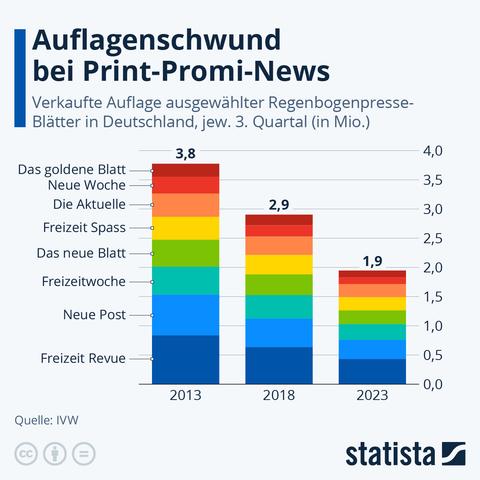
Auflagenschwund bei den Promi-News (Statista + Zusatzinfos, Erlebnispresse, Romane + Kurzkommentar) | Briefing 360 | Wirtschaft, Gesellschaft, Populärkultur

Briefing 360 Wirtschaft, Gesellschaft, Regenbogenpresse, bunte Blätter, Erlebnispresse, Romanhefte, Buchformat Vermutlich stammt der Begriff „bunte Blätter“ aus einer Zeit, in der Zeitu…

DER WAHLBERLINER