 GPS News
European Commission launches a tech‑sovereignty package including a Cloud/AI regulatory framework and an Open Source Strategy to reshape digital governance and market dynamics.
Read the GPS daily brief for concise analysis and policy implications.
European Commission launches a tech‑sovereignty package including a Cloud/AI regulatory framework and an Open Source Strategy to reshape digital governance and market dynamics.
Read the GPS daily brief for concise analysis and policy implications.
Zo zavislosti od MS sa podobne ako Holandsko¹ snazi zbavit od cca 2012 aj Slovensko, vid napr.:
https://platforma.slovensko.digital/t/nova-trojrocna-zmluva-na-microsoft-bude-posvatena-uhp/5356/3
Ale je rok 2026 a nadalej sa kupuje "vela" a najma "takmer vylucne" Microsoft, tot ked sa bavime o kupovani pocitacov statom pre uradnikov, ucitelov, ziakov, atd.
A uradnici sa tvaria dost prekvapene a nechapavo, ak sa pytam, ze preco prave Windows+Office resp. ci posudzovali alternativy.

Toto je zo strany MF a ÚPVII riadne pokrytectvo. Zjavne sa ráta s tým, že už si nič z minulosti o tomto nepamätáme. ÚHP si v rámci umenia možného zapísalo do tabuľky “25% ušetrené” a ide sa ďalej. Takže len tak zľahka na pripomenutie, aká bola situácia pri schvaľovaní predĺženia zmluvy MS EA už v roku 2012: “nasadenie pilotného projektu Open source” je v materiáli ako záväzná úloha dokument, o ktorom rokovala vláda, obsahuje vetu “Spoločnosť Microsoft Slovakia, s. r. o. deklaruje, že cena ...
1/2 "The open source strategy by the commission as laid out today in the technology sovereignty package says some good things, but ultimately misses the mark by aiming low. It lacks any real, hard targets and changes to procurement which could mobilize part of the 264 billion the EU currently spends every year on foreign big tech."
https://jospoortvliet.com/blog/the_tech_sovereignty_packacke_encourages_and_disappoints/
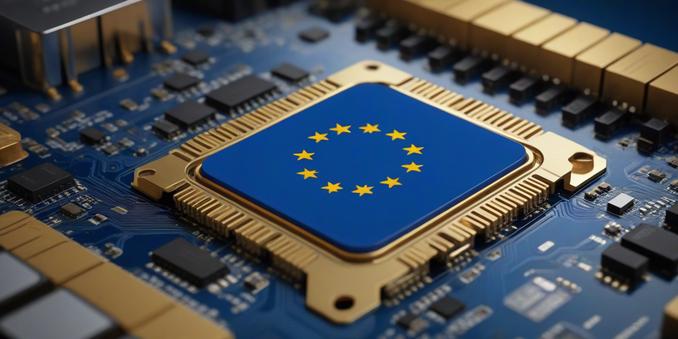
The open source strategy by the commission as laid out today in the technology sovereignty package says some good things, but ultimately misses the mark by aiming low. It lacks any real, hard targets and changes to procurement which could mobilize part of the 264 billion the EU currently spends every year on foreign big tech. Quoting from press conference: Good news: Europe has all it takes. Unfortunately, while that is true, it seems Europe is not yet ready to truly mobilize its resources.
On a different note - I ranted about the Tech Sovereignty package yesterday. Well, it motivated me to dust off my personal blog (last post: 2020!) and migrate away from Blogspot. And write a 1700 word analysis of the commission's proposal. Enjoy...
https://jospoortvliet.com/blog/the_tech_sovereignty_packacke_encourages_and_disappoints/
#Techsovereignty
#CADA
#ChipsAct2
#DigitalSovereignty
#OpenSource
The open source strategy by the commission as laid out today in the technology sovereignty package says some good things, but ultimately misses the mark by aiming low. It lacks any real, hard targets and changes to procurement which could mobilize part of the 264 billion the EU currently spends every year on foreign big tech. Quoting from press conference: Good news: Europe has all it takes. Unfortunately, while that is true, it seems Europe is not yet ready to truly mobilize its resources.
On 3 June 2026, the Commission published COM(2026) 503 on tech sovereignty, with the EU Open Source Strategy.
My analysis: soft law, Chips Act 2.0, CADA, cloud/AI sovereignty levels, open source, data localization, and GDPR transfers.
Key point: Technological sovereignty is not just data localization. It is also about control, governance, ownership, supply-chain transparency, and third-country interference.
🔗 https://www.nicfab.eu/en/posts/eu-technological-sovereignty-open-source/

Analysis of Communication COM(2026) 503 on European technological sovereignty and the EU Open Source Strategy: soft law, the proposed Cloud and AI Development Act, sovereignty levels and their relationship with the GDPR.

 Peter Hanecak
 Benjamin Carr, Ph.D. 👨🏻💻🧬
 Micha
Micha
 David Meyer
 Jos Poortvliet
 Jordan Maris 🇪🇺 🇺🇦 #NAFO
 Bart
Bart Nicola Fabiano