 Frontend Dogma
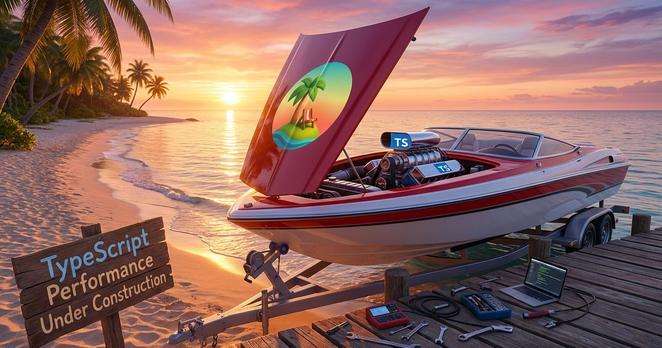
TypeScript Performance in TanStack Table V9, by @kevinvancott.dev (@tanstack.com):
https://tanstack.com/blog/tanstack-table-v9-typescript-performance?ref=frontenddogma.com
TypeScript Performance in TanStack Table V9, by @kevinvancott.dev (@tanstack.com):
https://tanstack.com/blog/tanstack-table-v9-typescript-performance?ref=frontenddogma.com
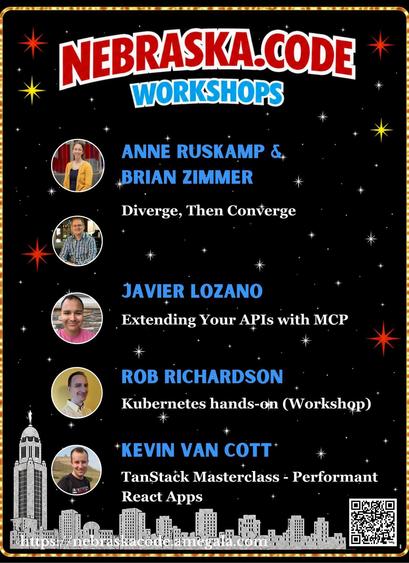
Anne Ruskamp, Brian Zimmer, Javier Lozano, Rob Richardson and Kevin Van Cott have full-day Workshops at Nebraska.Code() July 22nd.
https://nebraskacode.amegala.com/
#TechnologyWorkshop #JavaScript #OSS #TanStack #FrontEnd #Cloud #OpenSource #Kubernetes #Docker #AzureContainerService #AKS #API #MCP #LLM #ProductLifecycle #ProjectManagement #Scrum #Nebraska #DontPanicLabs #DevConf #SiliconPrairie
React Server Components in TanStack, by @adamrackis.bsky.social (@frontendmasters.com):
https://frontendmasters.com/blog/react-server-components-in-tanstack/?ref=frontenddogma.com
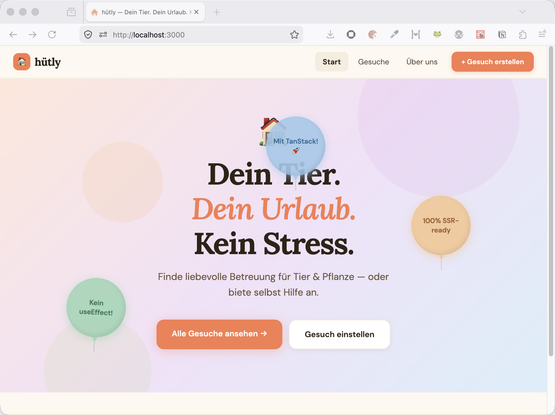
Serverseitige oder clientseitige #Webanwendung? "Fullstack" #React Frameworks versprechen das Beste aus beiden Welten... Ob's stimmt? 🤔
Hier findet ihr Slides und Code meiner #TanStack #Start Anwendung meines Vortrags auf dem Karlsruher Entwicklertag:

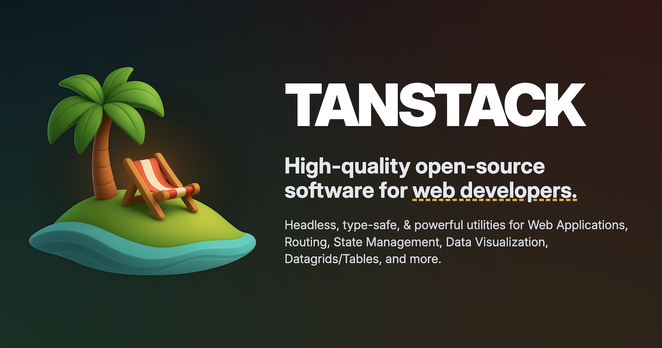
The Modern React Stack Explained for 2026, by @jsdevspace:
https://jsdev.space/react-stack-2026/?ref=frontenddogma.com
#react #techstacks #comparisons #nextjs #tanstack #remix #vite #tooling
Postmortem: TanStack npm Supply-Chain Compromise, by @tannerlinsley.com (@tanstack.com):
https://tanstack.com/blog/npm-supply-chain-compromise-postmortem?ref=frontenddogma.com
On 2026-05-11, an attacker chained a pull_request_target Pwn Request, GitHub Actions cache poisoning across the fork↔base trust boundary, and OIDC token extraction from runner memory to publish 84 malicious versions across 42 @tanstack/* packages on npm. Full postmortem.
#Development #Approaches
The best loading states are none at all · Making the case for route transitions https://ilo.im/16dcdk
_____
#Preloading #Loading #Routing #Spinners #Skeletons #SPAs #TanStack #WebPerf #WebDev #Frontend
👀 Was haben Tierbetreuung, #React und #TanStack Start gemeinsam? 🤔
Werden wir im Juni gemeinsam herausfinden 🕵️♂️:
- Karlsruher Entwicklertag: https://nilshartmann.net/t/getting-started-fullstack-anwendungen-mit-react-und-tan-stack-karlsruher-entwicklertag
- #EnterJS: https://nilshartmann.net/t/getting-started-fullstack-anwendungen-mit-react-und-tan-stack-enter-js
Kommt vorbei! 👋
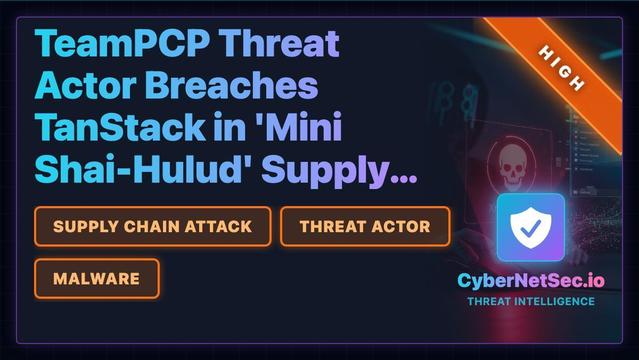
📰 TeamPCP Threat Actor Breaches TanStack in 'Mini Shai-Hulud' Supply Chain Campaign
💸 Financially motivated group TeamPCP compromises popular TanStack library in 'Mini Shai-Hulud' supply chain campaign. The attack on npm/PyPI ecosystems uses malicious packages to steal developer credentials. #SupplyChain #TeamPCP #TanStack #npm
🌐 cyber[.]netsecops[.]io
 Nebraska.Code
 Nils Hartmann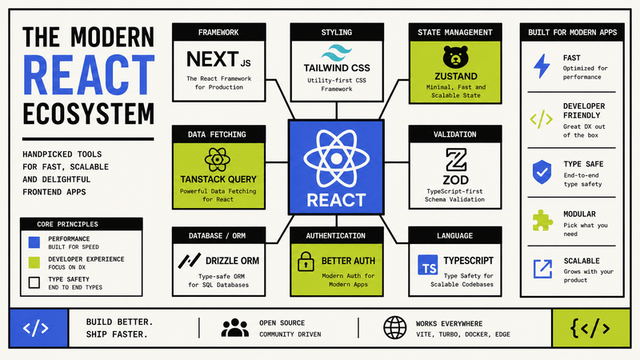
 Inautilo
 CyberNetsecIO
 The New Oil