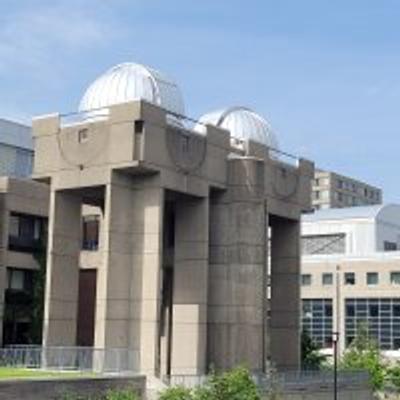
Happy Space Science Saturday! The Cat's Eye Nebula, also known as NGC 6543, was one of the first, and one of the most complex, planetary nebulae ever discovered! It is estimated to be 1,000 years old. Planetary nebulae are named for their round shape, which made them appear to look like planets when viewed through early telescopes, but they are actually expanding gas thrown off by stars in their final stages of evolution.
#CatsEyeNebula #NGC6543 #Nebulae #SpaceExploration #Space #Astronomer #Planets #Stars #Science #Physics #Toronto #YorkUObservatory #AICO #YorkU #SpaceScienceSaturday #Telescope #Astronomy #AllanICarswellObservatory #Research #ScienceOutreach
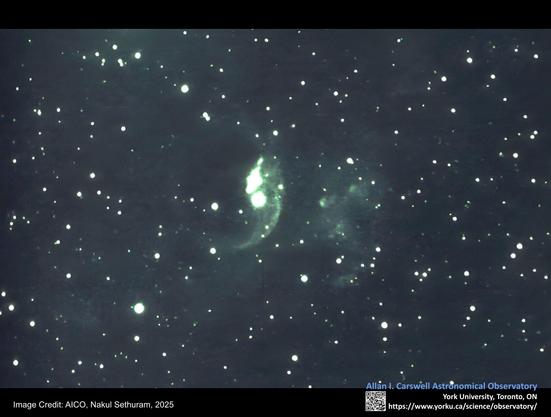
Happy Space Science Saturday!
On April 3, 2026, Mercury will reach its greatest elongation west, appearing at its farthest apparent distance from the Sun in the morning sky. This is one of the best opportunities to spot the innermost planet, which is usually lost in the Sun’s glare.
You can start looking now through early April. Mercury will be visible low in the eastern sky shortly before sunrise and will continue to improve as it approaches elongation over the next week.
Because Mercury stays so close to the Sun, it can be tricky to observe, but this upcoming window offers one of the best morning viewing chances of the year.
Safety first: Never point binoculars or a telescope anywhere near the Sun, and do not try to observe Mercury while any part of the Sun is above the horizon.
#Mercury #GreatestElongationWest #SpaceExploration #Space #Astronomer #Planets #Stars #Science #Physics #Toronto #YorkUObservatory #AICO #YorkU #SpaceScienceSaturday #Telescope #Astronomy #AllanICarswellObservatory #Research #ScienceOutreach
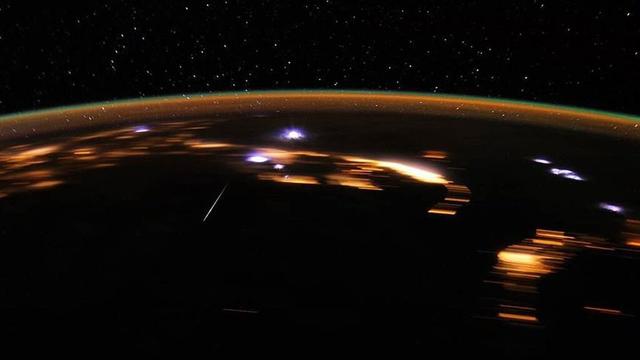
Happy Space Science Saturday!
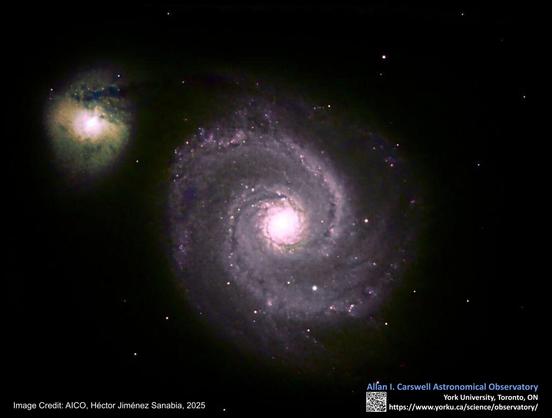
The Whirlpool Galaxy, NGC 5194, shown in this image, is located 31 million light-years away. Researchers believe the prominence of its arms are due to its interaction with its companion galaxy, NGC 5195, also seen in this image. It can be spotted with a small telescope and is most visible in May.
#M51 #Messier #NG5194 #NGC5195 #WhirlpoolGalaxy #SpaceExploration #Space #Astronomer #Planets #Stars #Science #Physics #Toronto #YorkUObservatory #AICO #YorkU #SpaceScienceSaturday #Telescope #Astronomy #AllanICarswellObservatory #Research #ScienceOutreach
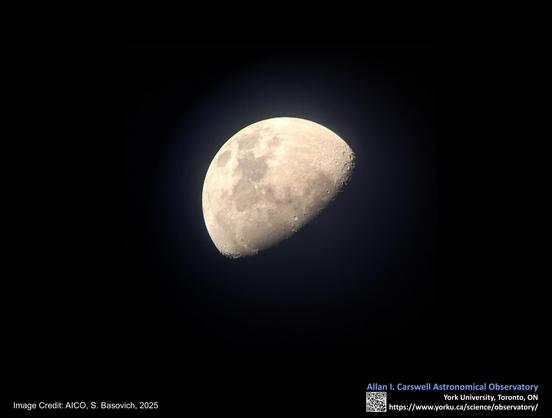
Happy Space Science Sunday!
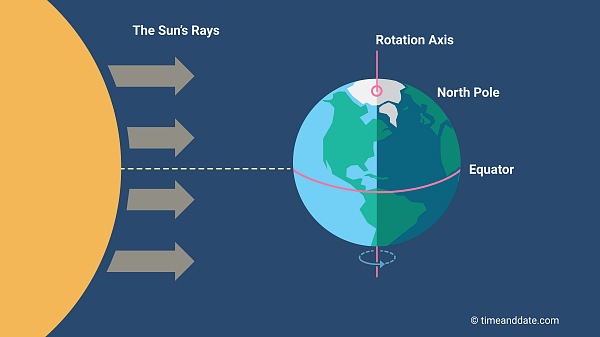
This week we’re highlighting the March Equinox, the moment when the Sun shines directly above Earth’s equator, giving nearly equal amounts of daylight and darkness across the planet. In 2026, the March Equinox occurs on March 20. For the Northern Hemisphere, it marks the first day of spring, while in the Southern Hemisphere, it signals the first day of autumn. Equinox comes from the Latin aequus (equal) and nox (night), referring to the nearly equal length of day and night experienced around the world at this time.
#MarchEquinox #Spring #SpaceExploration #Space #Astronomer #Planets #Stars #Science #Physics #Toronto #YorkUObservatory #AICO #YorkU #SpaceScienceSaturday #Telescope #Astronomy #AllanICarswellObservatory #Research #ScienceOutreach
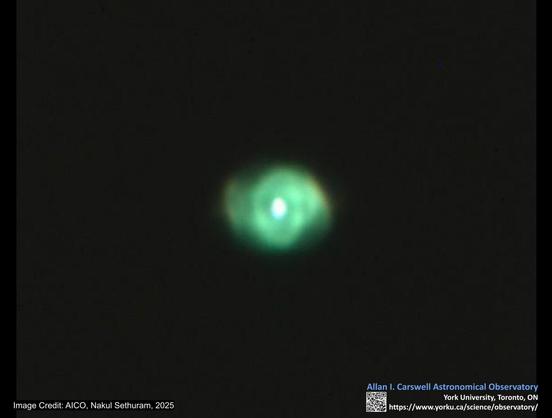
Happy Space Science Saturday! This glowing orb of gas, officially known as NGC 7662, is a planetary nebula formed when a Sun-like star shed its outer layers near the end of its life. The intense blue colour comes from ionized oxygen glowing under ultraviolet radiation from the hot stellar core left behind.
Located ~5,600 light-years away in the constellation Andromeda, this compact nebula is a favourite target for both professional and amateur astronomers.
#Nebula #PlanetaryNebula #BlueSnowballNebula #NGC7662 #Andromeda #SpaceExploration #Space #Astronomer #Planets #Stars #Science #Physics #Toronto #YorkUObservatory #AICO #YorkU #SpaceScienceSaturday #Telescope #Astronomy #AllanICarswellObservatory #Research #ScienceOutreach
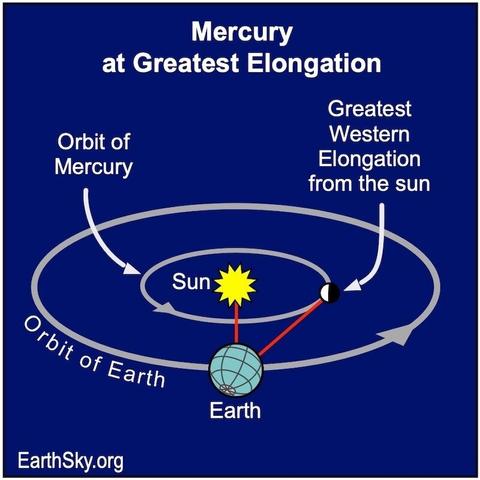
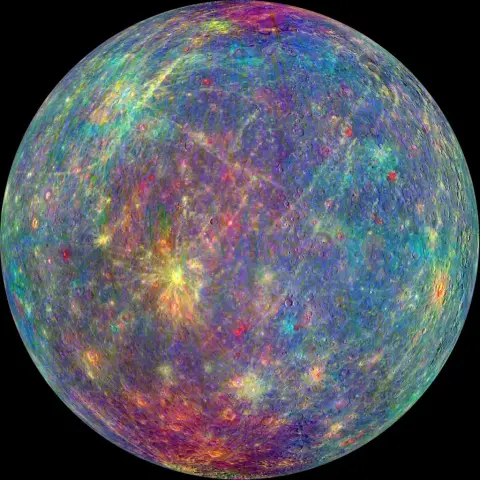
On Thursday, February 19, Mercury reaches its longest elongation east!
This makes this week a great time to try spotting the planet in the evening sky! At its longest elongation, Mercury appears furthest from the Sun in our sky, meaning less interference from sunlight and a better chance to observe the planet shortly after sunset, low on the western horizon.
Clear skies and happy observing!
Image Credit: NASA
#Mercury #Observing #NightSky #Stargazing #SolarSystem #SpaceScienceSaturday #YorkUObservatory #Astronomer #Telescope #AICO #Physics #Astronomy #AllanICarswellObservatory #Science #SpaceExploration #Research #ScienceOutreach
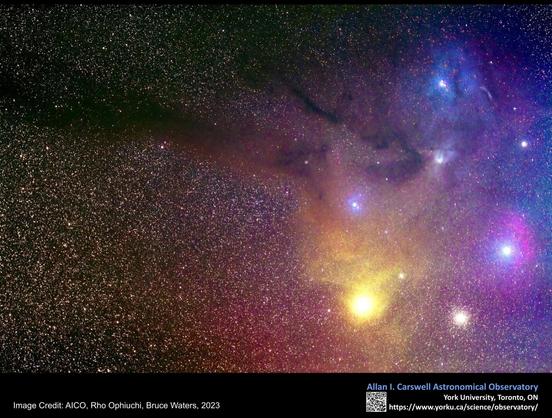
Happy Space Science Saturday! Did you know that molecular clouds are the cold, dense birthplaces of stars?
The stunning region seen in this image, the Rho Ophiuchi molecular cloud, lies just a few hundred light-years away and gives us insight into how stars, including our Sun, form.
#MolecularCloud #RhoOphiuchi #SpaceScienceSaturday #YorkUObservatory #Astronomer #Telescope #AICO #Physics #Astronomy #AllanICarswellObservatory #Science #SpaceExploration #Research #ScienceOutreach
Happy Space Science Saturday! Did you know that February’s Full Moon is known as the Snow Moon? The name is tied directly to winter weather. In the 1760s, explorer Jonathan Carver, after visiting with the Naudowessie (Dakota), documented that they called it the Snow Moon because snowfall is typically at its heaviest during this part of winter.
#SnowMoon #FullMoon #MoonNames #ObservingTools #AllSky #Moon #SpaceScienceSaturday #YorkUObservatory #Astronomer #Telescope #AICO #Physics #Astronomy #AllanICarswellObservatory #Science #SpaceExploration #Research #ScienceOutreach
Happy Space Science Saturday! Planning some observing? Remember to check our AllSky Cam to view weather conditions at the observatory! You might even get a cool shot like a view of the moon over the domes (seen in this image)
#ObservingTools #AllSky #Moon #SpaceScienceSaturday #YorkUObservatory #Astronomer #Telescope #AICO #Physics #Astronomy #AllanICarswellObservatory #Science #SpaceExploration #Research #ScienceOutreach
NGC 7380, shown in this image, is also known as the Wizard Nebula because some people see the outline of a wizard wearing a pointed hat with outstretched arms, as if casting a spell. It is located in the constellation Cepheus and is a young star-forming region, where a cluster of newly formed stars illuminates the surrounding gas and dust.
#NGC7380 #WizardNebula #Cepheus #SpaceScienceSaturday #YorkUObservatory #Astronomer #Telescope #AICO #Physics #Astronomy #AllanICarswellObservatory #Science #SpaceExploration #Research #ScienceOutreach