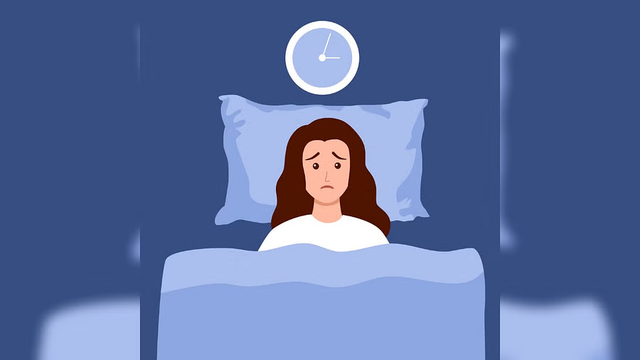
🧭 Recovery Protocol – Decision Meeting

🎯 Objective

Reduce:

risk of loss of consciousness

panic episodes

cognitive breakdown
while maintaining operational productivity

---

📊 Input Constraints

Current sleep: 2–3 hours

Workload: high, cannot be fully removed

No option for long-term leave

Symptoms already at clinical threshold (presyncope + panic episodes)

#sleepCrisis #workload #healthConstraints #burnoutRisk

---

🧩 Protocol Options

🅰️ Protocol A — “Hard Stop”

Core idea: immediate shutdown of load + sleep recovery

Sleep immediately raised to 7–9 hours

Sharp reduction in workload

Medical evaluation prioritized

Pros:

fastest systemic stabilization

reduces syncope risk rapidly

Cons:

often not operationally feasible

work disruption

Risk tradeoff: short-term productivity loss for health recovery

#hardStop #recovery #medicalFirst #sleepRecovery

---

🅱️ Protocol B — “Stabilization Mode” (controlled survival)

Core idea: stabilize critical failure points without stopping work

Gradual sleep increase (2–3 → 5 → 6.5+ hours)

Strict micro-break enforcement

Remove major triggers (caffeine, night peaks)

Reduce orthostatic stress (avoid sudden standing, overload spikes)

Pros:

realistic under work constraints

reduces acute collapse risk

stabilizes autonomic system

Cons:

slower recovery curve

requires strict discipline

Risk: non-compliance leads to deterioration or escalation to A

#stabilization #harmReduction #sleepDebt #controlledRecovery

---

🆎 Protocol C — “Ignore / Push Through”

Core idea: no behavioral change

Pros:

no workflow disruption

Cons:

progressive symptom escalation

increased syncope frequency

worsening panic disorder

potential abrupt systemic collapse

Risk level: high (medically unsafe trajectory)

#ignoreRisk #burnoutAcceleration #healthRisk

---

⚖️ Decision Matrix

Criterion A B C

Speed of recovery ★★★★★ ★★★ ★
Real-world feasibility ★ ★★★★ ★★★★★
Medical safety ★★★★★ ★★★★ ★

---

🧠 System Recommendation

Default selection: Protocol B (Stabilization Mode)
as the only viable balance between safety and operational continuity.

---

🚨 Red Line Condition

If:

recurrent loss of consciousness occurs

cardiovascular symptoms intensify
→ immediate escalation to Protocol A + medical assessment required

---

🟢 Decision point

Choose:

A — hard stop recovery

B — controlled stabilization (recommended baseline)

C — no changes (risk acceptance path)
Section 1. Case and Post-Mortem Analysis

Case

An IT professional under sustained high cognitive load and constant deadlines.

Regimen:

Sleep: 2–3 hours per day

Days off: up to 4 per month

Work sessions: long, no breaks

Caffeine: regular use

Symptoms:

Episodes of loss of consciousness

“Wobbly legs”, presyncope

Panic attacks

Declining memory and concentration

Visual strain/deterioration

---

Analysis (by systems)

1. Nervous system (CNS + autonomic)

Chronic sleep deprivation → regulatory overload.

Disrupted sympathetic/parasympathetic balance

Persistent “stress/survival” mode

Adrenaline spikes without physical trigger → panic episodes

Outcome: → panic disorder
→ cognitive deficits

#sleepDeprivation #autonomicNervousSystem #stressResponse #panicAttacks #cognitiveDecline

---

2. Cardiovascular system

Sleep loss + stimulants → unstable heart rate and blood pressure.

Rapid BP fluctuations

Possible rhythm disturbances

Outcome: → syncope
→ risk of cardiac arrhythmia

#cardiovascular #syncope #arrhythmia #bloodPressure #heartRate

---

3. Metabolic layer

“No recovery” mode = systemic dysregulation.

Glucose instability

Fatigue, weakness, “wobbly” feeling

#metabolism #fatigue #energyCrash #glucose

---

4. Vision (as a trigger, not root cause)

Continuous focal strain

Dry eye syndrome

Outcome: → Computer Vision Syndrome

#vision #digitalEyeStrain #screenTime #eyeFatigue

---

Causal chain

Sleep deprivation (core)

Autonomic dysregulation

Stress/panic + BP instability

Presyncope

Loss of consciousness

#rootCause #systemFailure #causeEffect

---

Misinterpretation

Hypothesis: “It’s caused by vision.”
Fact: vision increases load on an already failing system; it’s not the root.

#diagnostics #misattribution #rootCauseAnalysis

---

Critical risks (if unchanged)

More frequent syncope

Consolidation of anxiety disorder

Persistent cognitive decline

Increased cardiac risk

#riskAssessment #healthFailure #burnout

---

Conclusion

This is not a local issue (eyes/stress). It’s a systemic decompensation driven by chronic sleep deprivation.
Symptoms are no longer early-stage; they are borderline.

#conclusion #sleepCrisis #systemBreakdown

This is a silent #crisis indeed.

Good night's #rest is hard to come by.
Entrepreneurs, startup founders plagued by #sleepcrisis
Reasons for stress and burnout affect productivity and well being :
1. long hours
2. high pressure decision making
3. financial uncertainties
4. business tensions
https://www.deccanherald.com/india/good-nights-rest-is-hard-to-come-by-entrepreneurs-startup-founders-plagued-by-sleep-crisis-3446946

Good night's rest is hard to come by: Entrepreneurs, startup founders plagued by sleep crisis

The relentless demands of long hours, high-pressure decision-making, and financial uncertainties are contributing to increased stress and burnout, which in turn affect productivity and overall well-being.

Deccan Herald