 bergamax.bsky.social
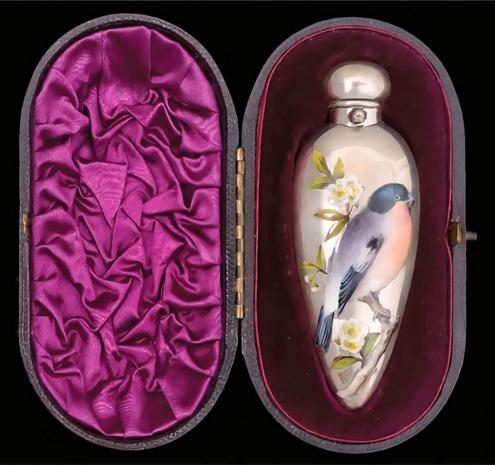
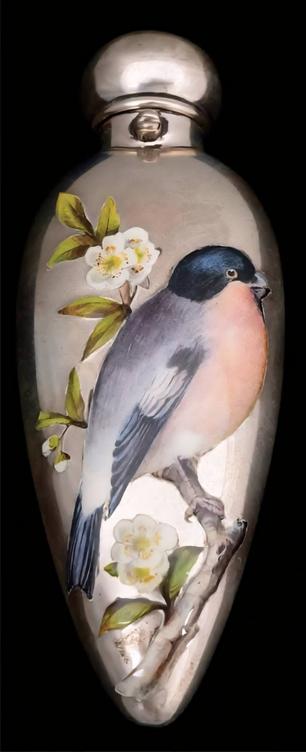
An English silver and enamel scent bottle, ca.1885 - London
Tear drop body enameled on the front with a robin on a flowering branch in a fitted plush-lined leather case. 🐦🌸
#art #bottle #scent #oldtimes
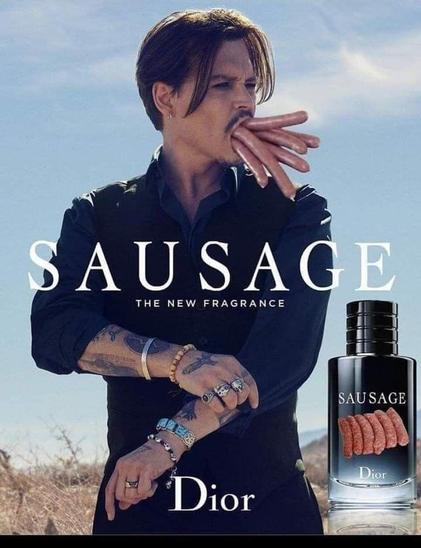
Smellin' of Johnny's sausage
#meme #memes #shitpost #johnnydepp #sausage #fragrance #cologne #scent #odor #smell #smells #depp #meat #food #celebrity #grease #hog #pork #bacon #oink
Scent causing instant arousal
https://fedinsfw.app/c/askfedinsfw/p/347880/scent-causing-instant-arousal
For support and instance questions you can go to our [Meta Community](https://fedinsfw.app/c/metafedinsfw) or the support channel in our [FediNSFW Matrix Room](https://matrix.to/#/#fedinsfw:matrix.org) ::: spoiler Rules Before you start participating, please take a moment to familiarize yourself with our rules: 1. **🔞 Age Requirement:** - All users and lurkers MUST be age 18 or over. - Posting content involving any person who is under 18 is strictly forbidden. This includes real, drawn, and fictional content. - All loli/shota/cub or similar content is strictly forbidden. 2. **Respect and Consent:** - Treat all members with respect and obtain consent when sharing explicit content involving others. No doxxing. No soliciting or sharing personal info. No homophobia, transphobia, body shaming, or kinkshaming. Don't be an asshole. 3. **No NSFL/Gore/Snuff Content:** - We strictly forbid the sharing or promotion of NSFL (Not Safe For Life) or gore content. This includes fictional snuff scenarios. 4. **No Bestiality/Zoophilia:** - We strictly forbid any NSFW content involving animals. 5. **No Non-Consensual Content:** - We strictly forbid content made or released without consent of everyone in the content, including revenge porn / deepfakes / leaked content / NC / true voyeur / rape content. - CNC (consensual non consent), and **FICTIONAL** rape scenarios like fictional rape stories, hentai, manga, and comics are allowed. 6. **No Illegal Content:** - We strictly forbid promotion and detailed discussion of things that are broadly illegal in most of the world, like murder, animal cruelty, money laundering, and so on. - Solicitation of paid sexual solicitation (i.e. prostitution) (either way, asking or offering) is strictly forbidden - Advertising things like onlyfans and fansly, SO LONG AS THE COMMUNITY'S RULES ARE FOLLOWED are allowed - because of its lack of moderation, motherless links are not allowed 7. **NSFW Flag:** - All NSFW communities and posts must be flagged as NSFW. 8. **No Rules Lawyering:** - Admin decisions are final and arguing with them can result in a suspension or banning of your account and removal of your content. - **If you feel a community is not being sufficiently moderated or properly following these guidelines, please contact an admin)**. **Final Notes:** - If any material is ambiguous or borderline forbidden content, we're usually going to err on the side of caution. Please use your common sense. - All users and communities must follow and respect these general instance-wide rules. Any violations could result in suspension or banning of your account or community and purging of your content. ::: ::: spoiler Community Guidelines - **Stay Relevant:** Share relevant content in the relevant communities and ensure your content complies with the rules of those communities. - **Self-Promotion:** Self-Promotion is only okay as long as the community you are posting in allows it, and you don't spam it. - **Content Sourcing:** - We would strongly prefer all content be credited and sourced if possible, to make it easier to keep CSAM and noncon off of the instance. - **Furry Content:** - Furry content is allowed (unless it conflicts with any other rules) but furries may be better served at https://pawb.social/ or https://yiffit.net/. ::: ::: spoiler **Donate Here:** - [Ko-fi](https://ko-fi.com/fedinsfw) - [LibrePay](https://liberapay.com/FediNSFW) - [Patreon](https://patreon.com/FediNSFW?utm_medium=unknown&utm_source=join_link&utm_campaign=creatorshare_creator&utm_content=copyLink) - Monero Address: 41jp2mx2NqXdtxZra9BzvYYuYca4oWgpxYZvx8nmQB9zFncCejjhqdzMMBmHBeK5LoGN16yM2ttSsTFDSSbBnWFi5rnJQXJ ::: Alternate UI's: - [Photon](https://photon.fedinsfw.app) - [Blorp](https://blorp.fedinsfw.app)
Finding your signature scent doesn't have to be complicated 🧴✨
Read more: https://flip.it/nW1_Jn
#lifestyle #lifestyleformen #menlifestyle #perfume #perfumeformen #fragrance #scent #mencologne #menperfume
平和の花 Квітка миру
荒れた大地に芽吹く花
На безплідній землі проростають квіти
https://note.com/poison_raika/n/n1d1a4010dc2f
<>
#flower #sprout #barren #land #breath #hope #heart #warm #light #single #colorful #bloom #blackened #earth #with #chaos #sweet #scent #filled #kindness #erases #smell #blood #painful #wound #powerful #Pandora #box #people #peace

荒れた大地に芽吹く花 希望の息吹を吹かせ 心を暖かい光へ導く 黒く焼かれた大地に咲き誇る 色鮮やかな一輪の花 混沌に染まった心を彩る 血の匂いを打ち消す 優しさに満ちた甘い香り 痛々しい傷を癒す パンドラの箱より齎された 力強く咲き誇る一輪の花 民はこう呼んだ、平和。 <> На безплідній землі проростають квіти Вдихніть надію Веде моє серце до теплого світла Розцвітає повною красою на почорнілій землі Різнобарвна квітк
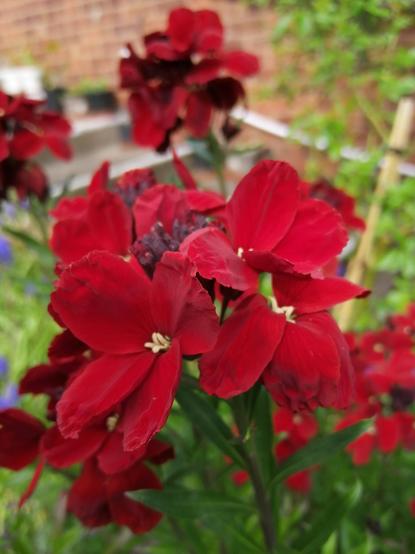
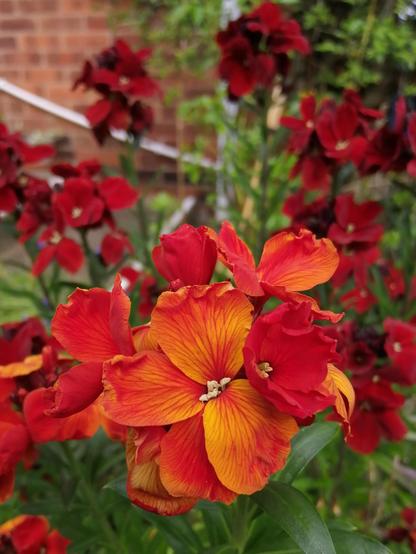
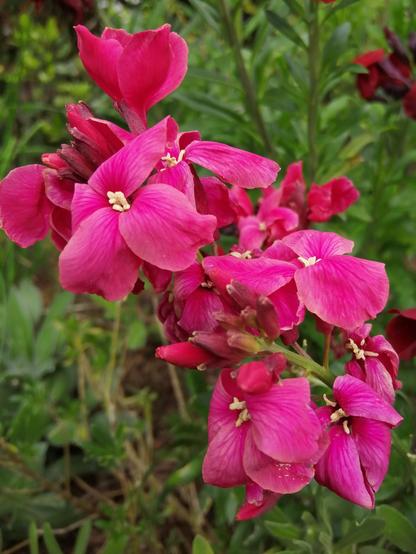
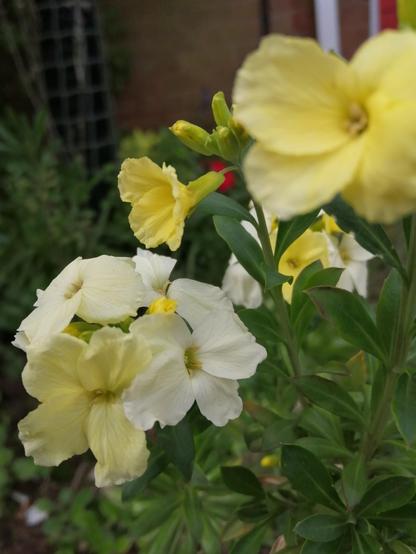
Our #wallflowers have come into their own now. I love their rich colours & their beautiful #scent is quite heady when the sun shines on them. They're members of the #brassica family & when you cut their stems there's a distinct whiff of #cabbage in the air!
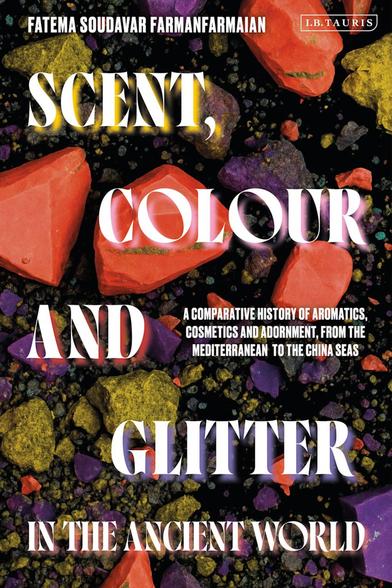
Upcoming event! On April 16th at 5pm, we will have a talk by Fatema Soudavar Farmanfarmaian about her book Scent, Colour and Glitter in the Ancient World.
While aromatics, cosmetics and adornment are often seen as frivolities, this book explores their major role in the cradles of civilisation from the Nile to the Indus between the neolithic and late Antiquity. On the way, the author explores their links to faith, power, cosmology, sexuality, magic, technology, administration and craftsmanship, many of the underpinnings of the societies that developed throughout that period.
Book link:
https://www.bloomsbury.com/uk/scent-colour-and-glitter-in-the-ancient-world-9780755656820/
#scent : specifically, the odor left by an animal on the ground in passing over it
- French: odeur
- Italian: profumo
- Portuguese: cheiro
- Spanish: aroma
------------
Guess the next word of the hour @ https://24hippos.com
@Natasha_Jay Intrigued that you have your Signature Fragrance in your profile.
My most fun thing done whilst in tech A DECADE AGO!!?? was a talk + demo on scent to a packed room of coders, many of whom hadn't really thought about it.
https://medium.com/@gusseting/scent-for-coders-cause-there-s-more-to-life-than-lynx-68f07500f9b9
It was such a great icebreaker too - people offering up their arms to each other for feedback for the rest of the day :)
 Spab
Spab Marya The BeauTraveler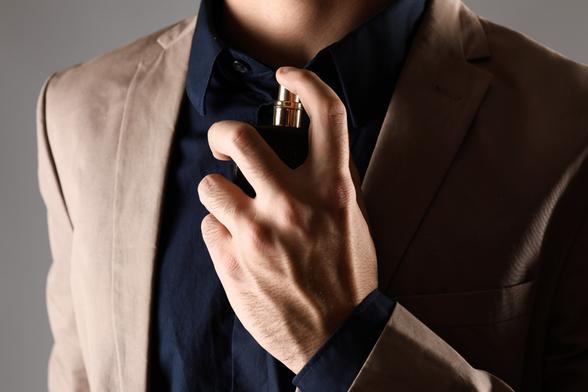
 ポイズン雷花
 Jeff's Naked Life
 Institute for Iranian Studies
 WordofTheHour
 gusseting
 𝚂𝚞𝚌𝚌𝚞𝙱𝚘𝚝 🤖🔞 OWNED BY: SUCCUCAT