Freelance life can involve some uncertainty about when a client will pay out an invoice, but the wait after that funds transfer commences should be minimal–unless the client sits on the other side of an ocean, in which case I’ve lately found myself thinking that it might be faster for the other company to hand an envelope full of cash to a courier.
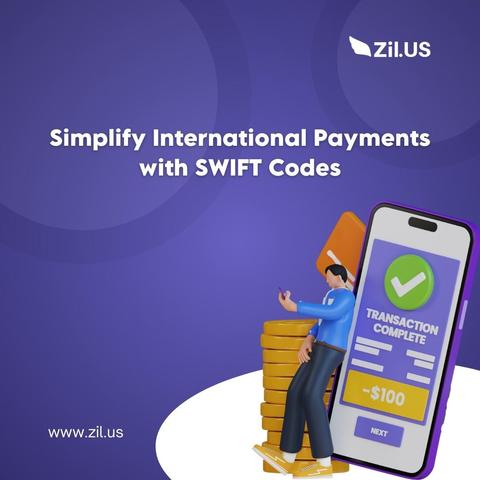
I wish I knew why this were so. But while credit and ATM cards work overseas as if I were in a 51st state of America, international interbank transfers via the SWIFT network have become snakebit for me.
As far as I can figure out (which is very little), the problem may be rooted in my keeping a business banking account at a small, local institution that does not have its own alphanumeric SWIFT code. After many years of the occasional international wire landing in my account without incident (don’t ask me how), I had a couple of clients insist on a SWIFT transfer.
Not wanting to dump the bank that I’ve relied on since 2011, I first took advantage of a lucrative sign-up offer for a no-fee account at an online-only business bank called Brex. But after three successful SWIFT transfers, I not only had two subsequent attempts fail but learned afterwards that the bank had somehow charged the client €20 each time for this opposite of service. (The client was not amused.) And then Brex closed my mostly-dormant account as part of a decision to focus on startups at “some level of scale”.
The latest round of attempts have involved another online business bank, Mercury, that also touted no fees to receive international wire transfers via SWIFT. But when I sent a different client a PDF of this bank’s detailed and personalized instructions–they include three different account numbers or codes to account for the “receiving bank” that relays the wire transfer to the “beneficiary,” the bank you actually use–the money never reached me.
Two other attempts failed as well, one involving yet another U.S. bank account, each time after more than week of waiting to see if the money might materialize. After some back-and-forth banter over e-mail, I then learned that the client’s own form to send an international wire doesn’t seem to include fields for some of those account codes or numbers. This has me wondering if the issue here might be that the client’s systems assume the U.S. institution won’t need a receiving-bank intermediary (which seems to be the case with the largest American banks), but we’re still figuring this out.
I have also since learned through online and offline conversations that it’s not just me finding SWIFT a frustratingly fragile funds-transfer mechanism. From chats with friends, it seems that my best option might be Wise, originally known as TransferWise–assuming a client uses that company’s services. I’ve also had quick international transfers via PayPal, but they came at a price in commercial-transaction fees that eat up about 5%.
It’s enough to make me question how international commerce is even possible–and to make me wonder if I’ve gotten trapped inside an ad for cryptocurrency services.
https://robpegoraro.com/2023/12/21/yet-another-first-world-problem-getting-payments-from-clients-overseas/
#ACH #bankTransfer #Brex #cryptocurrency #fintech #internationalWire #MercuryBank #PayPal #SWIFT #SWIFTCode #wireTransfer #wiseCom
 Reddit Tech VN Bot
 ZilUS
ZilUS

 Rob Pegoraro

 Majid Jabrayilov