You weren’t resisting structure — you were resisting performance. Alignment changes everything.
#AuthenticStructure #SurvivorLiteracy #RelationalPractice #EmbodiedSafety
https://survivorliteracy.com/2026/02/19/relational-anthropology-unfolding-2/
You weren’t resisting structure — you were resisting performance. Alignment changes everything.
#AuthenticStructure #SurvivorLiteracy #RelationalPractice #EmbodiedSafety
https://survivorliteracy.com/2026/02/19/relational-anthropology-unfolding-2/
After the work of unlearning — loosening certainty, questioning habit, letting old reflexes fall quiet — this arrives as a gentler truth.
Being lost isn’t the same as being unheld. Some forms of knowing don’t argue or instruct; they orient us slowly, through relationship rather than explanation.
Full reflection for this week here: https://substack.com/home/post/p-179417144
#RobinWallKimmerer #DustyDimmerSwitch #EcologicalBelonging #RelationalPractice #CollapseAwareness
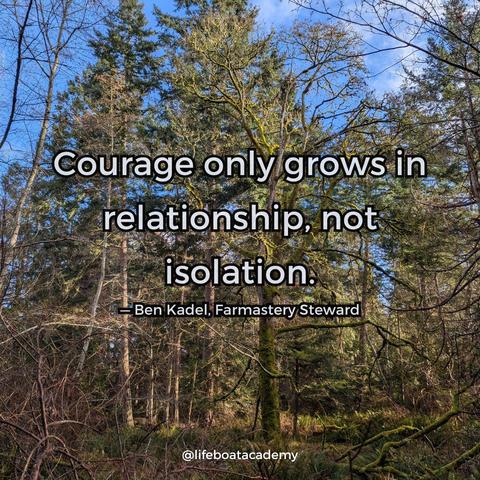
We often imagine courage as something internal and solitary.
But courage grows differently — through relationship. Through shared presence, mutual support, and the slow building of trust. This is part of what unlearning reveals: isolation isn’t strength, and connection isn’t a weakness.
#BenKadel #LearningToUnlearn #RelationalPractice #CommunityCare
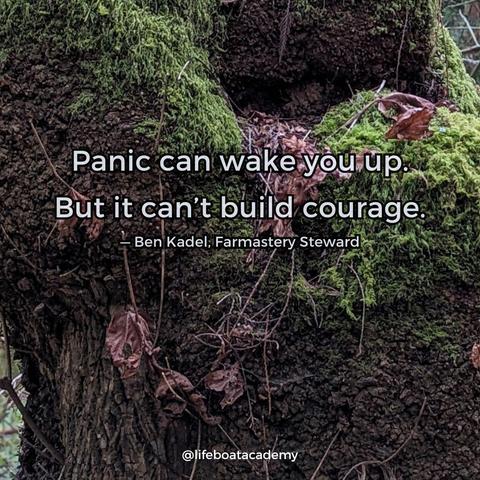
Panic has a role: it breaks denial and demands attention. But it’s not a foundation.
Courage grows through a different rhythm — slower, steadier, more sustainable. This is part of what unlearning asks of us now: recognising when intensity is no longer helpful, and learning how to introduce space without disengaging.
#BenKadel #LearningToUnlearn #NervousSystemWisdom #RelationalPractice
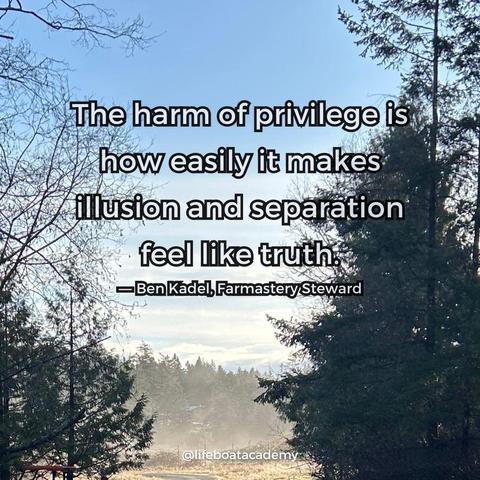
One of privilege’s deepest harms is perceptual.
When we’re buffered from consequence, illusion can pass as truth and separation can feel natural. Not through bad intent, but through habit. This is where unlearning starts — noticing how ease shapes what we see, and choosing relationship over reflex.
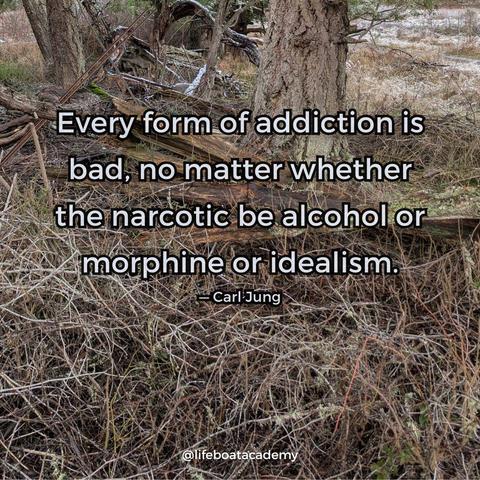
Idealism itself can become a narcotic when it creates a sense of urgency to fix or shields us from uncertainty. That’s where unlearning begins — noticing where certainty has replaced listening, and where speed has replaced care.
Loosening the grip doesn’t mean losing our values.
It means making space for better ones to grow.
We often assume transformation fails because things are complicated.
But the deeper bottleneck is familiar: urgency, certainty, fixing before listening. This week’s anchor explores unlearning — recognising Business as Usual in ourselves and choosing slower, steadier rhythms that open space for creativity and care.
Unlearning isn’t forgetting.
It’s how better habits take root.
Read the article:
https://emotusoperandi.medium.com/learning-to-unlearn-ff2c6b08fedf
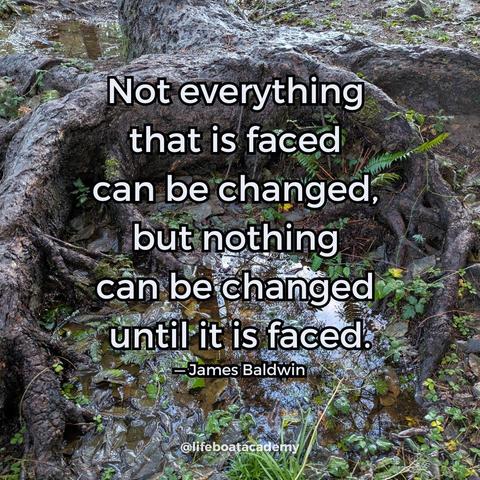
There’s a quiet courage in facing the things we’d rather not see — in ourselves, in our communities, in our systems.
Baldwin reminds us that transformation doesn’t begin with solutions.
It begins with willingness.