 Protyus A. Gendher
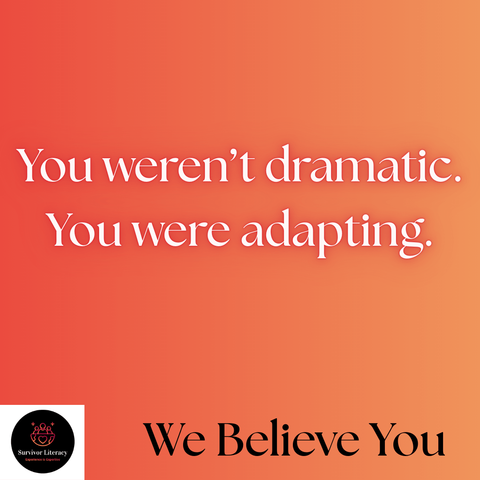
Your reactions weren’t too much. The environment was.
SurvivorLiteracy #AdaptiveTruth #NervousSystemWisdom #FieldDynamics
https://survivorliteracy.com/2026/05/01/survivor-literacy-you-werent-dramatic-you-were-adapting/
Your reactions weren’t too much. The environment was.
SurvivorLiteracy #AdaptiveTruth #NervousSystemWisdom #FieldDynamics
https://survivorliteracy.com/2026/05/01/survivor-literacy-you-werent-dramatic-you-were-adapting/
Receptivity isn’t effort — it’s permission. The body softens when it feels witnessed.
#SurvivorLiteracy #EmbodiedKnowledge #RelationalAnthropology #NervousSystemWisdom
https://survivorliteracy.com/2026/02/18/relational-anthropology-being-receptive-2/
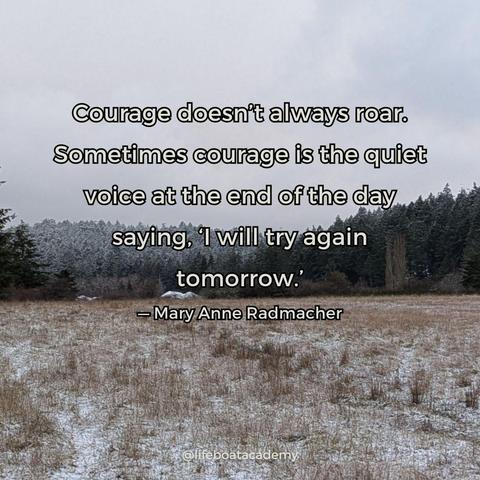
Courage isn’t always visible from the outside.
Often it’s internal, small, and quiet — the decision not to collapse into urgency or self-judgment at the end of the day. The Dusty Dimmer Switch names this kind of resilience: easing intensity just enough to keep going, without forcing resolution.
#MaryAnneRadmacher #DustyDimmerSwitch #EverydayCourage #NervousSystemWisdom
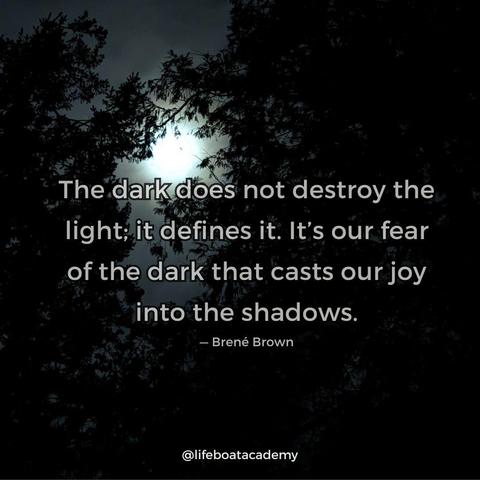
Darkness and fear aren’t the same thing.
Difficulty can coexist with joy, meaning, and care. Fear is what makes us brace and contract. The Dusty Dimmer Switch isn’t about chasing brightness — it’s about easing the glare, staying present, and letting the full range of feeling have its place.
#BrenéBrown #DustyDimmerSwitch #EmotionalResilience #NervousSystemWisdom
Modern culture often treats pain as a private problem to be solved.
Another orientation recognises pain as shared knowing, shaped by the world we’re moving through together. The Dusty Dimmer Switch isn’t about erasing feeling — it’s about lowering the glare, introducing space, and remembering that what we feel is not ours alone.
#BáyòAkómoláfé #DustyDimmerSwitch #CollectiveCare #NervousSystemWisdom

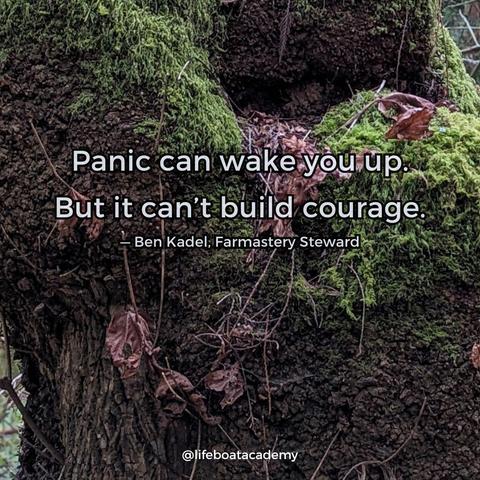
Panic has a role: it breaks denial and demands attention. But it’s not a foundation.
Courage grows through a different rhythm — slower, steadier, more sustainable. This is part of what unlearning asks of us now: recognising when intensity is no longer helpful, and learning how to introduce space without disengaging.
#BenKadel #LearningToUnlearn #NervousSystemWisdom #RelationalPractice

 The Lifeboat Academy