Wildflower's Drought Comeback: A Glimpse of Rapid Evolution

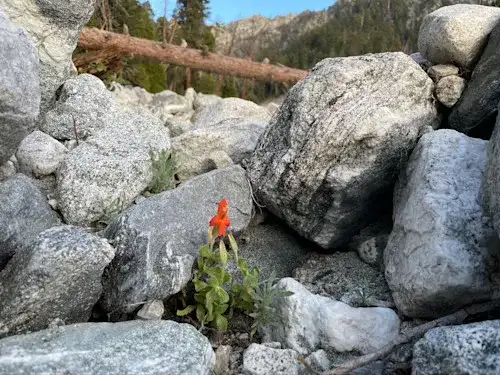
California's scarlet monkeyflower quickly recovered from a bad drought by using existing genes. This shows how some plants can adapt to climate change.

#MonkeyflowerAdaptation, #DroughtResilience, #PlantEvolution, #ClimateChange, #CaliforniaWildflowers

https://newsletter.tf/california-monkeyflower-evolves-after-drought/

This wildflower recovered from a severe drought by quickly changing its genes. This is faster than scientists expected and shows hope for plant survival in changing climates.

#MonkeyflowerAdaptation, #DroughtResilience, #PlantEvolution, #ClimateChange, #CaliforniaWildflowers
https://newsletter.tf/california-monkeyflower-evolves-after-drought/
California Monkeyflower Recovers Fast After Drought Due to New Genes

California's scarlet monkeyflower quickly recovered from a bad drought by using existing genes. This shows how some plants can adapt to climate change.

NewsletterTF
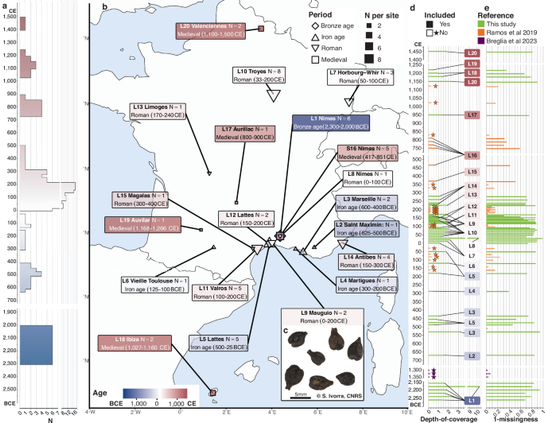
Ancient DNA reveals 4000 years of grapevine diversity, viticulture and clonal propagation in France - Dining and Cooking

Genome sequencing

Dining and Cooking
Ancient DNA reveals 4000 years of grapevine diversity, viticulture and clonal propagation in France - Dining and Cooking

Genome sequencing

Dining and Cooking

🔬 Takeaway: The evolution of vascular systems in early seed plants was far more complex than previously thought, involving multiple adaptive modifications and transitional stages. Ancient plant evolution was anything but simple. 🌱 (9/9)

👉https://doi.org/qr8r

#Paleobotany #PlantEvolution #FossilPlants #Botany

Shoot apical meristem and initial vascular development of a late Palaeozoic spermatophyte (order Medullosales)

AbstractBackground and Aims. The medullosans are ancient spermatophytes (order Medullosales) with an unusual stem anatomy and have been studied extensively

OUP Academic

🌿Check the newly published article “Shoot apical meristem and initial vascular development of a late Palaeozoic spermatophyte (order Medullosales)” in @AnnBot by Lydéric Portailler & Ludwig Luthardt. (1/9)

👉https://doi.org/qr8r

#Paleobotany #PlantEvolution #FossilPlants #Botany

🌸Takeaway: In Aquilegia, nectar-collecting pollinators appear to be the main evolutionary drivers of floral form, perhaps because they’re more efficient pollinators. (9/9)

👉 https://doi.org/qq7v

#FloralSyndromes #PollinationBiology #PlantEvolution #PlantScience #AoBpapers

🌸Just published in @AnnBot : “Floral syndromes in Aquilegia (Ranunculaceae) are associated with nectar- but not pollen-collecting pollinators” by Anna-Sophie Hawranek and co-authors. 🧵(1/9)

👉 https://doi.org/qq7v

#FloralSyndromes #PollinationBiology #PlantEvolution #EvolutionaryBiology #PlantScience #AoBpapers

For more info, please visit:
👉 https://botany.fyi/w59vvp
📅Submissions deadline: 31 May, 2026 (4/4)

#Gnetales #SeedPlantEvolution #EcoEvoDevo #PlantEvolution #Botany

📢🌿Annals of Botany invites submissions to the new focus issue "Gnetales - Controversies of Seed Plant Evolution", edited by guest editors Stefanie M. Ickert-Bond, Cecilia Zumajo-Cardona & Dimitry Sokoloff. (1/4)

#Gnetales #SeedPlantEvolution #EcoEvoDevo #PlantEvolution #Botany