 Daniel Turner
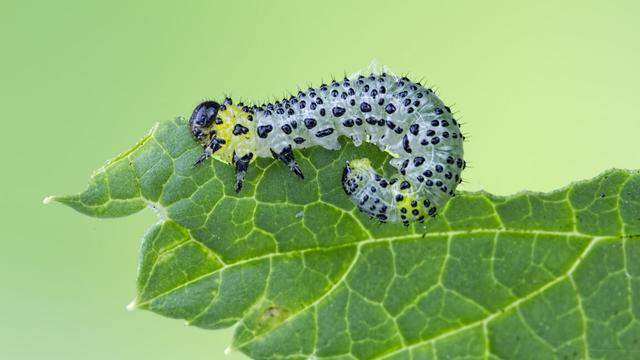
Jaw-dropping research on how bean plants attract predatory wasps when attacked by caterpillars
https://arstechnica.com/science/2026/06/beans-use-an-immune-receptor-to-call-in-airstrikes-on-caterpillars/
Snapdragons make more and sweeter nectar when they hear buzzing. Plant cognition is amazing!
https://phys.org/news/2025-05-nectar-production-response-pollinator.html

Plants increase nectar production in response to pollinator buzzing sounds, study finds
When pollinators visit flowers, they produce a variety of characteristic sounds, from wing flapping during hovering, to landing and takeoff. However, these sounds are extremely small compared to other vibrations and acoustics of insect life, causing researchers to overlook these insects' acoustic signals often related to wing and body buzzing.
 Takako 🐀
DYK tomato plants has a brilliant defense strategy against bugs that prey on their leaves? Quite a genius one. When they get attacked, they make a chemical that turn the herbivorous bugs into carnivorous, which not only makes them stop nibbling the leaves, but also reduces the number of their predators.
I will never look at the tomato plants the same. They’re amazing. 🍅✨🙌
 Karsten W.
Found this ted talk after the SRF interview of James Bridle by Barbara Bleisch Monica Gagliano talks about #plantcognition. Very interesting..

How ‘heretical’ science revealed the intelligence of Nature | Monica Gagliano | TEDxSydney
 Özlem Yilmaz
If you are interested in plant cognition, minimal cognition...: Me and wonderful Ric Sims wrote this paper that is published last month. 🌿
Stigmergic coordination and minimal cognition in plants https://journals.sagepub.com/doi/abs/10.1177/10597123221150817?journalCode=adba
#PlantPhenomeProject 🌱 #Egenis #UniversityofExeter
#plantcognition #minimalcognition #coordination
Stigmergic coordination and minimal cognition in plants https://journals.sagepub.com/doi/abs/10.1177/10597123221150817?journalCode=adba
#PlantPhenomeProject 🌱 #Egenis #UniversityofExeter
#plantcognition #minimalcognition #coordination
 Patrik 🐨
Really interesting podcast with Monica Gagliano on #plantcognition 🤓
https://www.whenwetalkaboutanimals.org/2020/11/03/ep-37-monica-gagliano/

When We Talk About Animals - Ep. 37 - Monica Gagliano on plant intelligence and human imagination
Are plants intelligent? Can they think? Can they hear, see, feel, smell and taste? Throughout history, most Western philosophers and scientists answered those questions with a resounding “no.” Plants have long been treated as passive, inanimate objects that form the backdrop to our active lives, rather than highly sensitive organisms with intelligence and agency of their own. But on the cutting edge of modern science, this orthodoxy is being questioned by a group of daring and imaginative scientists -- including our guest, Monica Gagliano -- who think that plants are radically more sophisticated and sensitive than we’ve been giving them credit for. Gagliano pioneered the field of “plant bioacoustics," the study of sounds produced by and affecting plants. The results of her groundbreaking experiments suggest that plants may perceive, solve problems, remember, and learn via mechanisms that differ from our own. In this episode, we speak with Gagliano about the profound implications of her discoveries and how listening to plants changed her understanding of the world.