 AFSA
AFSA𝐄𝐱𝐩𝐫𝐞𝐬𝐬𝐢𝐨𝐧 𝐨𝐟 𝐈𝐧𝐭𝐞𝐫𝐞𝐬𝐭: 𝐒𝐨𝐜𝐢𝐚𝐥 𝐌𝐞𝐝𝐢𝐚 𝐂𝐨𝐧𝐬𝐮𝐥𝐭𝐚𝐧𝐜𝐲 𝐟𝐨𝐫 𝐀𝐅𝐒𝐀 𝐂𝐚𝐦𝐩𝐚𝐢𝐠𝐧𝐬 & 𝐏𝐨𝐝𝐜𝐚𝐬𝐭
The Alliance for Food Sovereignty in Africa (AFSA) is inviting expressions of interest from qualified, Africa-based firms to provide social media consultancy services for a period of 12 months, renewable based on performance.
AFSA is Africa's largest civil society network, uniting 48 member organisations across 50 countries and advancing agroecology and food sovereignty for over 200 million people across the continent. As we scale our digital presence, we are seeking a creative, experienced, and mission-aligned social media partner to help amplify our work.
The consultancy covers two key areas. The first is the promotion and digital campaign management of AFSA's four major Pan-African flagship campaigns #MyFoodIsAfrican, #Agroecology4Climate #SeedIsLife, and #DefendOurLandRestoreOurSoil. The selected firm will be expected to develop campaign strategies, produce short-form videos, design visual assets, promote content across platforms, and deliver regular performance reports.
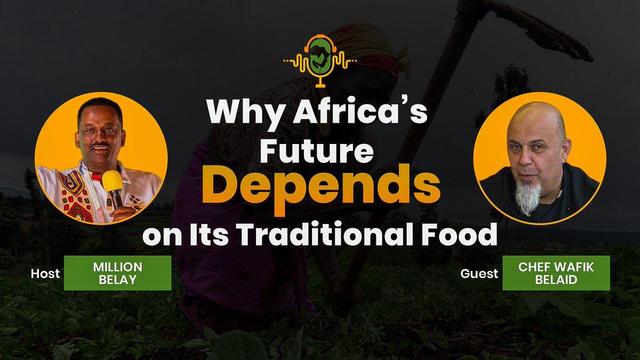
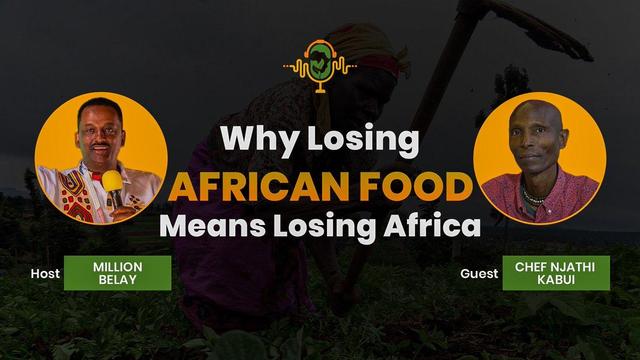
The second area covers the production and promotion of AFSA's newly launched podcast, The Battle for African Agriculture, hosted by AFSA General Coordinator Dr. Million Belay. The consultancy will manage end-to-end weekly episode recording, professional audio and video editing, multi-platform promotion across YouTube, Spotify, Apple Podcasts, Facebook, Instagram, LinkedIn, and TikTok, as well as audience growth and analytics reporting.
Interested firms are required to submit a company profile, portfolio evidence of previous campaigns and podcast production experience, team and influencer profiles, a pilot social media plan, and a detailed budget proposal.
Proposals must be submitted to [email protected] by 27 April 2026 at 23:59 East Africa Time, with the subject line: EOI – Social Media Consultancy for AFSA Campaigns & Podcast. For technical inquiries, please contact [email protected].
For full details on the scope of work, submission requirements, and evaluation criteria, please refer to the Terms of Reference (TOR) attached.