Read my latest review on BooksIlike.eu: Morgan Housel’s Same As Ever. a witty, wise look at what never changes in a world obsessed with change. 📘🔍🤓🎯

Read my post here: https://booksilike.eu/morgan-housel-same-as-ever/

#BehaviouralEconomics #BooksILike #MorganHousel #SameAsEver #TimelessWisdom

Hard work does not guarantee wealth. 

If effort were the only metric, the hardest workers in the world wouldn't be living paycheck to paycheck. We have to stop ignoring the massive role "Luck" (and privilege) plays in success. Acknowledging this isn't pessimism; it's reality.

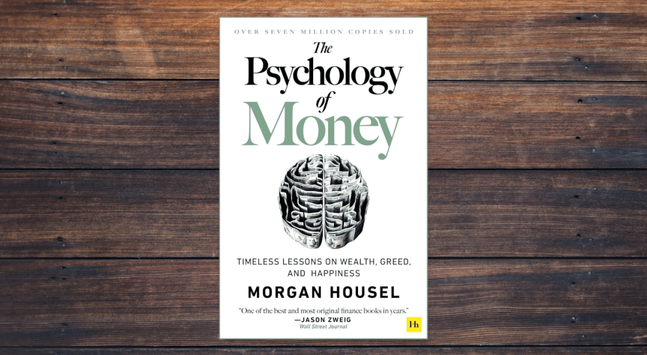
Watch The Psychology of Money by Morgan Housel Book review: https://youtu.be/vICjgRLiFJA 

#Meritocracy #SystemicChange #PsychologyOfMoney #HustleCulture #MorganHousel

Haven't checked the new Episode Yet? - Check Bio Now!

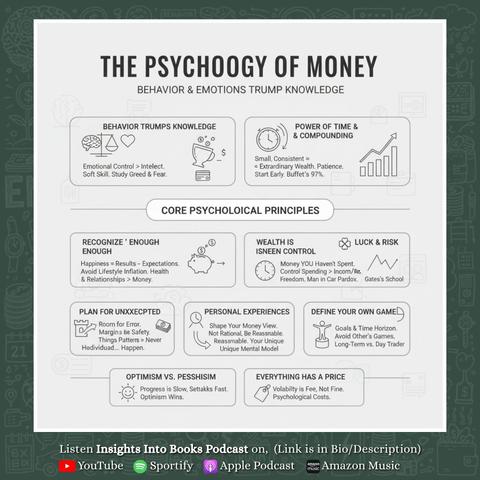
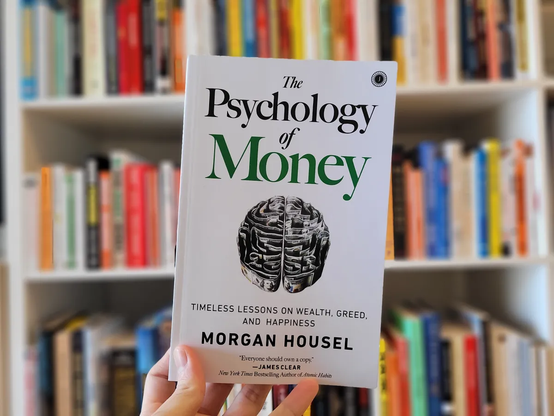
The Psychology of Money from Insights Into Books.
Core principles: compounding power of Atomic Habits & The Compound Effect, behavioral economics of Thinking, Fast and Slow.
#MorganHousel #Investing #BehavioralEconomics

Yah, New Episode in Out, Check Bio Now!

The Psychology of Money from Insights Into Books
This guide to the behavioral economics of Thinking, Fast and Slow & Nudge teaches the mindset of The Almanack of Naval Ravikant.
#MorganHousel #Investing #BehavioralEconomics #AtomicHabits

New Episode is Out, Guys, Check out Bio now!

Morgan Housel's "The Psychology of Money."
Exploring behavioral economics from Thinking, Fast and Slow.
#MorganHousel #Investing #PersonalFinance #PsychologyofMoney

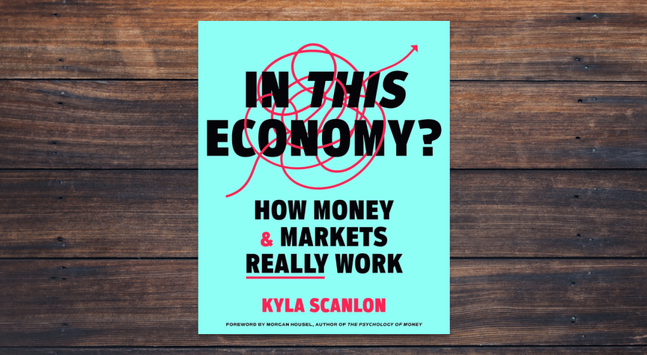
Book Review: In This Economy? by Kyla Scanlon

In This Economy?: How Money & Markets Really Work by Kyla Scanlon aims to make complex financial concepts accessible to the everyday reader.

With her signature blend of wit and expertise, Scanlon breaks down economic forces, offering readers valuable insights into the financial systems that shape their lives.

Who is Kyla Scanlon?

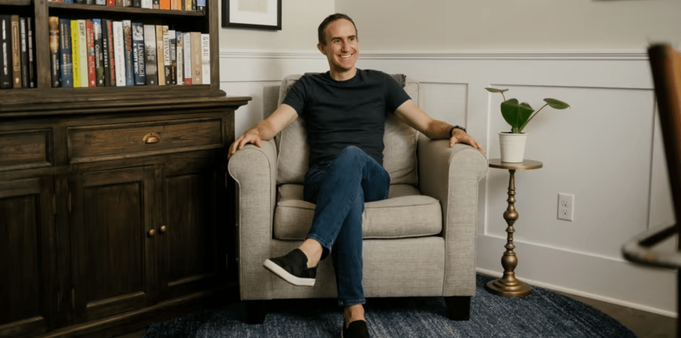
Photo: Rachel Woolf

Kyla Scanlon is a financial educator, writer, and content creator known for her engaging explanations of economic topics on social media. With a background in finance and a knack for simplifying complex concepts, she has built a strong following through her online presence and newsletter.

Scanlon’s work focuses on bridging the gap between economic theory and real-world financial decisions, making her an authoritative voice for those seeking to understand personal finance, financial markets, and economic trends.

Buy In This Economy? on Amazon

Lessons from the Book

Understanding Inflation and Interest Rates: Scanlon explains how inflation affects purchasing power and why interest rates matter for borrowers and investors alike.

The Power of Long-Term Investing: In This Economy? reinforces the value of investing in broad-market index funds like the S&P 500.

How Behavioral Economics Influences Spending: Scanlon explores how human psychology impacts financial decision-making, from impulse purchases to long-term savings habits.

The Role of the Federal Reserve: Many readers may not fully grasp how central banking policies affect their daily financial lives, but Scanlon breaks it down in an easily digestible way.

What In This Economy? Isn’t

Deep Investment Strategies: The book offers a solid foundation but does not delve deeply into advanced investing strategies for those looking to maximize returns beyond index funds. But if you’re a beginner, that’s fine.

Formal and bland: While this makes the book engaging, some readers may find the writing style too informal for a finance book.

A Personal Budgeting Book: Although it covers economic principles, In This Economy? does not offer as much practical guidance on personal budgeting or debt management as some readers might expect from a finance book.

Final Thoughts

https://youtu.be/7jopMwHa4Uk?si=d8244dpoFp8Wp6Lk

In This Economy? by Kyla Scanlon is a timely and engaging read for anyone looking to better understand how money and markets function. While it may not offer deep investment strategies or detailed budgeting advice, it succeeds in making economic concepts accessible and relevant. For readers new to personal finance, this book serves as a great starting point to build financial literacy.

If you’re looking for an easy-to-read book that breaks down big financial ideas, In This Economy? is worth adding to your reading list.

Buy In This Economy? on Amazon

#BookReviews #Books #Economics #InThisEconomy #KylaScanlon #MorganHousel #PersonalFinance

Eres la única persona en el mundo que se piensa que el mundo funciona de la forma en que tú piensas que funciona.

#MorganHousel (2020) La psicología del dinero p.251

Books I intend to read in 2025

Hi! I want to share with you the list of books I'll try to read through 2025. These are in order of intended reading: 1. Estructura de la Economía 2. The...

Who is Morgan Housel?

Morgan Housel has emerged as one of the most influential voices in personal finance today. A former columnist for The Motley Fool and The Wall Street Journal, Housel is now best known for his book The Psychology of Money, a modern classic that combines compelling storytelling with timeless financial wisdom. His work is essential reading for anyone seeking a deeper understanding of how to make better financial decisions.

Why Morgan Housel Stands Out

Housel’s unique strength lies in his ability to make complex financial concepts simple and relatable. Rather than relying on jargon or overly technical explanations, he tells stories that resonate with readers from all walks of life. He argues that financial success has less to do with math and more to do with behavior, a perspective that differentiates him from many traditional finance experts.

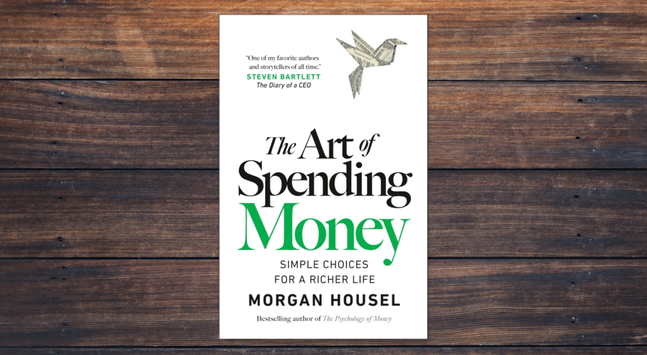
Buy The Art of Spending Money on Amazon

Key Lessons from Morgan Housel

https://youtu.be/zEx_IGVfi7Y?si=DfhexcybBz36uFQG

The Power of Compound Interest

Housel often emphasizes the remarkable effect of compounding. He uses the example of Warren Buffett, who amassed the majority of his fortune after the age of 60. Housel’s takeaway? The earlier you start saving and investing, the more time you allow compound interest to work its magic.

Control Over Greed and Fear

Behavioral finance is a central theme in Housel’s work. He points out that emotional decisions—like panic-selling during a market downturn or chasing speculative investments during a bull market—can erode wealth faster than any market downturn. Staying calm and consistent often pays off in the long run.

Focus on What You Can Control

Housel encourages readers to prioritize what they can influence: their savings rate, spending habits, and risk tolerance. While predicting the market’s short-term movements is impossible, building a solid financial foundation is within everyone’s control.

Buy The Psychology of Money on Amazon

The Importance of a Long-Term Perspective

In The Psychology of Money, Housel highlights the importance of patience and time. Wealth building is not a sprint but a marathon, and short-term volatility should not distract from long-term goals. He advises readers to embrace the uncertainty of the markets while staying the course.

Practical Steps Inspired by Morgan Housel

If you’re inspired by Housel’s principles, here are some actionable steps to incorporate his wisdom into your own financial life:

  • Start Early: Open an investment account and contribute regularly to low-cost index funds like $VOO, which mirrors Housel’s emphasis on simplicity and consistency.
  • Save More Than You Spend: Housel’s philosophy revolves around frugality and the importance of living below your means. Use budgeting apps to monitor your expenses.
  • Prepare for Uncertainty: Build an emergency fund using high-yield savings accounts or short-term treasury bills. This ensures that unexpected events don’t derail your financial progress.
  • Educate Yourself: Read The Psychology of Money to deepen your understanding of how your beliefs and emotions influence your financial decisions.

Morgan Housel’s work is a reminder that financial success is within reach for everyone. By focusing on timeless principles like patience, discipline, and self-awareness, he has helped millions of readers transform their approach to money.

Whether you’re just starting your financial journey or looking for ways to refine your strategy, Housel’s insights are a valuable guide to achieving lasting financial security.

Buy The Art of Spending Money on Amazon

#Author #BehavioralFinance #Biography #Books #CompoundInterest #Investing #MorganHousel #PassiveInvesting #PersonalFinance #Psychology #TheArtOfSpendingMoney #ThePsychologyOfMoney

#ThePsychologyofMoney #Book
By #MorganHousel
1. Doing well with money has little to do with how smart you are and a lot to do with how you behave.
2. Getting money is one thing. Keeping it is another.
3. Use the money to gain control over your time.
4. Controlling your time is the highest dividend money pays.
5. Independence doesn’t mean you’ll stop working. It means you only do the work you like with people you like at the times you want for as long as you want.
https://www.holisticinvestment.in/money-lessons-from-psychology-of-money-book/
Uncover Wise Lessons on Money from the Book “The Psychology of Money”

Building healthy financial habits early in life is a lifesaver. Discover how the book “Psychology of money” imparts lessons on achieving financial freedom.