 anlomedad
Making fire in UK 400ky ago...! That age, a very long interglacial with stable comfy climate all round, also goes by the poetic name MIS11. And, maybe on Wiki, I once read a lament by a scientist about #MIS11 that UK was hardly ever settled and if people dwelled there at all, they made zilch contribution to progress. Boooring Britain 😩
Hope he's still around and partying now! 💃🕺🍻
https://apnews.com/article/britain-archaeology-fire-neanderthals-evolution-suffolk-3698b87f707ac4ca1719b5f0214f7064
#archaeology #archeology #Neanderthals
Hope he's still around and partying now! 💃🕺🍻
https://apnews.com/article/britain-archaeology-fire-neanderthals-evolution-suffolk-3698b87f707ac4ca1719b5f0214f7064
#archaeology #archeology #Neanderthals

Earliest known evidence of human fire-making identified in England
Archaeologists in Britain say they have found the earliest known evidence of deliberate fire-making, dating to around 400,000 years ago. The findings published in the journal Nature predate previous evidence by about 350,000 years. The team identified heated sediments, fire-shattered flint tools and rare fragments of iron pyrite brought to the site to strike sparks. Researchers say the discovery sheds new light on early Neanderthal behavior and suggests fire making played a major role in human evolution, from diet and survival to social life and cognitive development.
 anlomedad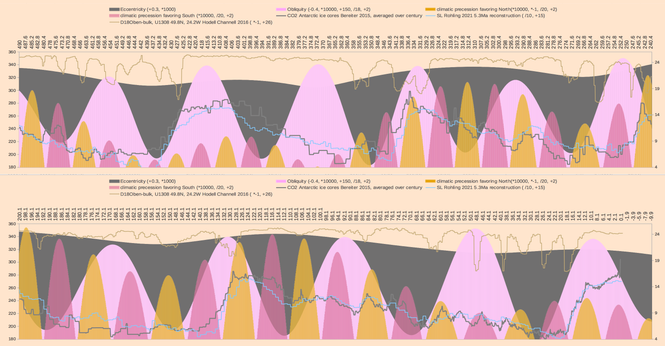


 anlomedad
 Bernhard Aichner