Linux 7.0 is now officially live!
A new major version of Linux is now live as of April 13th, 2026! Linux 7.0 is the brand new major version of Linux, after 6.x, that provides you with improvements regarding lots of kernel portions.
According to Phoronix, Linux 7.0 provides the following changes when it comes to the CPU portion, including, but not limited to:
- Intel Transactional Synchronization Extensions (TSX) auto mode is now the default on Linux 7.0, as all known TSX security-related issues are now fixed.
- Turbostat for Linux 7.0 can now report L2 cache statistics.
- Performance events and metrics support for AMD Zen 6 processors.
- Intel NTB and performance events support for Xeon Diamond Rapids.
- Sound and Intel LPSS driver support for Nova Lake.
- New LoongArch CPU features have been added to Linux 7.0.
- User-space CFI support for RISC-V processors.
- Single-copy atomic LS64 and LS64V instructions for ARM64 processors.
- SPARC and Alpha CPU support improvements.
Additionally, the graphics portion of the kernel has seen improvements and additions, including:
- Graphics hardware support in the kernel for upcoming AMD graphics cards for day-1 support.
- Improvements made to SR-IOV and multi-device SVM for the Intel Xe graphics card drivers.
- Multi-queue support for the upcoming Intel Crescent Island AI inference accelerator for day-1 support.
- Intel Nova Lake graphics card driver support.
- More graphics card temperature sensors support has been added.
- Nouveau earns larger page support for better performance in NVK.
- AM62P support has been added for Imagination’s PowerVR graphics card drivers.
- Fixes and improvements for GCN 1.0 and 1.1 hardware.
- Various other improvements.
As for the file system, the following changes have been made:
- Autonomous self-healing capabilities for the XFS file system.
- Experimental remap-tree feature for the BTRFS file system.
- Concurrent drive I/O writers improvements for the EXT4 file system.
- Performance improvements made to the F2FS file system.
- Fixes for the NTFS3 file system.
- More upstream patches for the ecryptfs file system.
- Dynamic thread pool sizing for the NFS server.
- Power sequencing driver for PCIe M.2 connectors.
- Various other improvements.
Other miscellaneous changes have been made to the kernel to improve user experience and to improve performance of your device, such as more frequent usages of the “sheaves” to make the kernel faster, performance improvements to the memory management code and the CPU scheduler system, and performance enhancements up to 50-75% for file-backed large folios. Additionally, the UDP network performance improvement has been earned by inviting a function, and several NICs have been added to the supported devices list, including:
- Realtek RTL8127ATF 10G Fiber SFP
- Airoha AN8811HB 2.5 Gbps PHY
- Qualcomm QCC2072
Additionally, more hardware support has been added, including the Rock Band 4 PS4/PS5 guitar support, which adds support for the following devices in the Sony HID driver:
- PDP RiffMaster
- CRKD Gibson SG
Alongside the guitar support for Rock Band 4, there have been various laptop-related improvements made to the kernel, including the Apple USB Type-C PHY support and the Qualcomm Snapdragon X2 Elite PHY support.
As for Rust, the kernel’s Rust support is no longer considered as experimental, with Rust in the kernel being here to stay in the source code of the kernel, which means that more secure code is already on the way, with preparations for the Rust 1.95 programming language and the driver core improvements made there.
The official announcement has been made by Linus Torvalds in the kernel mailing list, which says:
The last week of the release continued the same "lots of small fixes" trend, but it all really does seem pretty benign, so I've tagged the final 7.0 and pushed it out.
I suspect it's a lot of AI tool use that will keep finding corner cases for us for a while, so this may be the "new normal" at least for a while. Only time will tell.
Anyway, this last week was a little bit of everything: networking (core and drivers), arch fixes, tooling and selftests, and various random fixes all over the place.
Let's keep testing, and obviously tomorrow the merge window for 7.1 opens. I already have four dozen pull requests pending - thank you to all the early people.
Linux v7.1 will be the second version from the v7.x series that will be released after today’s Linux 7.0, which will bring many improvements and additions to enhance your user experience.
Arch Linux and other distributions will be updated to utilize Linux 7.0, with rolling distros being updated first, then the subsequent distributions will utilize this version of Linux according to the distro’s release schedule. Meanwhile, keep checking for updates in your Linux distro (such as pacman -Syu as root in Arch Linux), or compile it from source.
To download Linux 7.0’s source code, click on the below buttons:
Source code Patch PGP signature
#Linux #Linux7 #Linux70 #news #Tech #Technology #update Global Feed
 Thomas Svensson 🖖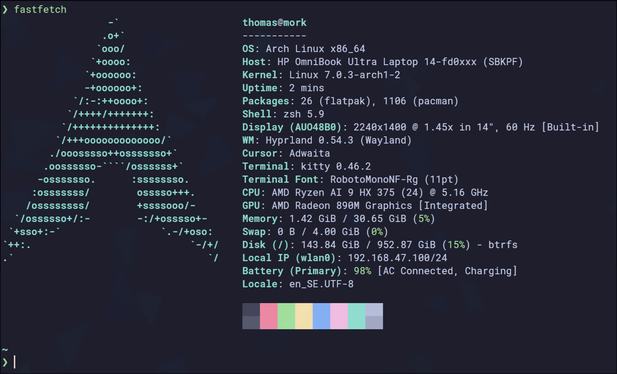
 N-gated Hacker News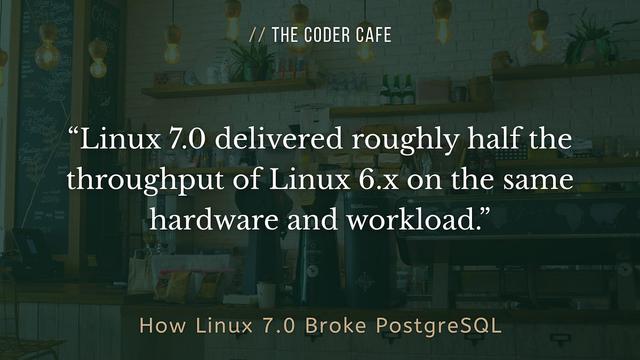
 Hacker News
 Brandon H

 Aptivi
 Daltux








 fosstopia 🇩🇪