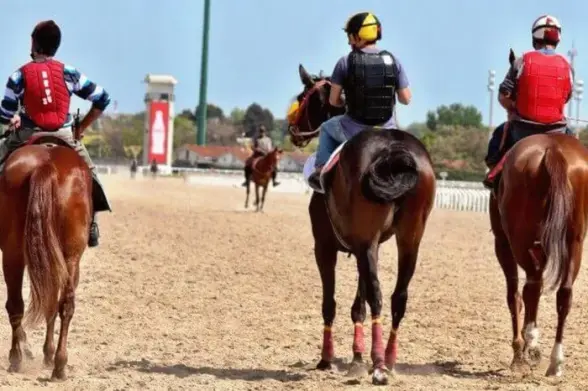
A group of local jockeys and horse breeders hopes to continue using the Rideau Carleton Raceway, even after the track's owners announced its closure in April. David Fraser has the story.
https://www.cbc.ca/player/play/9.7217206?cmp=rss
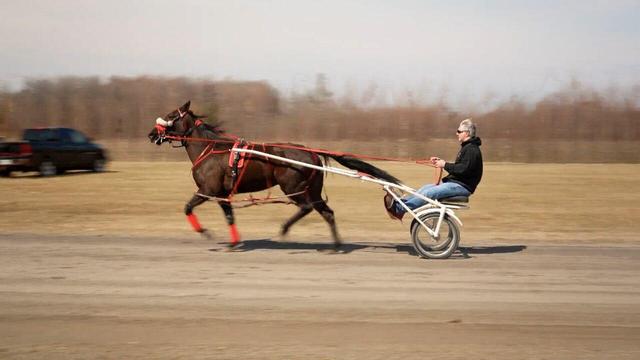
Jockeys are typically 147–170 cm tall with light body weight and compact frames. Their small, agile physique improves balance, speed control, and horse performance, making them distinctive in racing. However, the role demands strict restraint: constant weight control, restricted diets, dehydration, and continuous physical discipline to meet racing limits.
#Jockeys
#wolink #dailyhorseracing
https://www.dailyhorseracing.com/archives/3657
Jockeys are required to stay extremely light due to strict race weight limits, typically around 108–118 lbs (49–54 kg) for flat racing, with maximum race allowances usually up to about 119–126 lbs including equipment. Jump racing can allow up to ~140 lbs (64 kg). These limits enforce fairness and horse performance, requiring constant restraint, tight weight control, and disciplined physical management.
#Jockeys
#wolink #dailyhorseracing
https://www.dailyhorseracing.com/archives/3827
Most jockeys begin learning to ride in childhood (around 8–10), but formal training and apprenticeships usually start at 14–16. Racing licenses typically require age 16+. They train in racing schools, apprenticeships, and early races. The path demands strict weight control, fitness, and mental resilience. Starting as an adult is possible but rare due to physical and experience requirements.
#Jockeys
#wolink #dailyhorseracing
https://www.dailyhorseracing.com/archives/3813
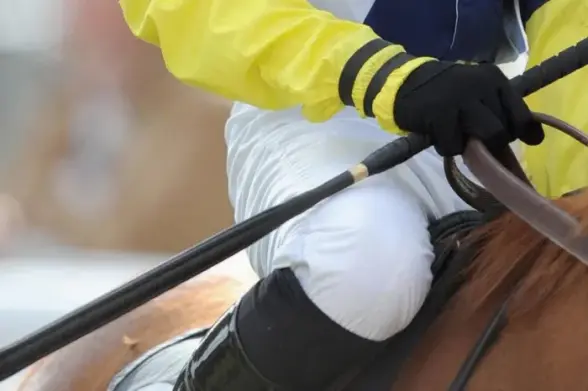
Jockeys use whips in horse racing mainly for safety control and to encourage speed, adding tradition and competitive advantage. However, their use is tightly regulated due to animal welfare concerns. Rules limit how often and how hard they can be used, and research questions their effectiveness. The sport is moving toward stricter limits, balancing performance with ethical restraint.
#Horses #Jockeys
#wolink #dailyhorseracing
https://www.dailyhorseracing.com/archives/3831
Jockeys’ ultra-light weight enhances speed and horse welfare, making it a key competitive advantage, while strict limits enforce discipline and fairness, requiring constant restraint to balance performance with health.
#Jockey’s Typical Weight
#Jockeys
#wolink #dailyhorseracing
https://www.dailyhorseracing.com/archives/3845
Horses can sprint slightly faster without jockeys due to less weight, but over race distances, jockeys improve overall speed and safety. Skilled riders guide, pace, and motivate horses, helping maintain rhythm, choose optimal paths, and conserve energy. Without a jockey, a horse may accelerate quickly but struggle with control, stamina, and focus, often resulting in slower average performance.
#Horses #Jockeys #wolink
#dailyhorseracing
https://www.dailyhorseracing.com/archives/3843
Underneath their silks, jockeys wear specialized gear for safety, comfort, and performance. This includes a lightweight protective vest, moisture-wicking skivvy, and flexible riding breeches. Combined with helmets, gloves, boots, and goggles, this carefully engineered setup shields them from falls, debris, and collisions while meeting strict weight limits and allowing maximum mobility during high-speed races.
#Jockeys #wolink #dailyhorseracing
https://www.dailyhorseracing.com/archives/3851
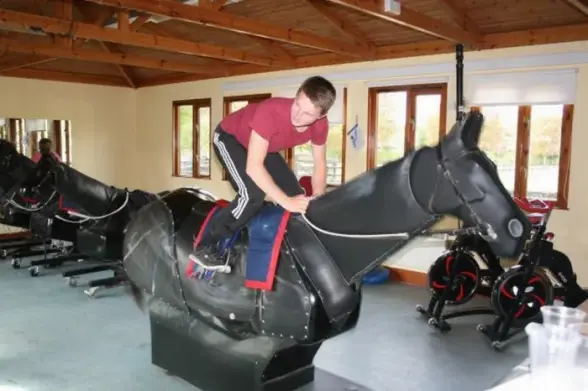
Jockeys maintain peak fitness through a strict balance of exercise, diet, and mental discipline. They manage extremely low body weight while building lean strength, endurance, and flexibility. Daily routines include cardio, core and leg training, simulated riding, careful nutrition, hydration control, and mental resilience. Safety, bone health, and long-term well-being are central to their demanding lifestyle.
#Jockeys #wolink #dailyhorseracing
https://www.dailyhorseracing.com/archives/3853