Finnish daycares ditched pavement for mud and dirt. A month later, the blood tests stunned scientists.
Finland gave daycare kids forest floor and garden beds to play in instead of pavement.
Finnish daycares ditched pavement for mud and dirt. A month later, the blood tests stunned scientists.
https://fed.brid.gy/r/https://www.upworthy.com/pn-finland-daycare-forest-floor-children-immune-system/
Study finds melanoma metastasis peaks in middle age due to immune system changes
📰 Original title: Why cancer spreads more in middle age than in old age
🤖 IA: It's not clickbait ✅
👥 Users: It's not clickbait ✅
View full AI summary https://en.killbait.com/study-finds-melanoma-metastasis-peaks-in-middle-age-due-to-immune-system-changes.html?utm_source=mastodon_world&utm_medium=social&utm_campaign=killbait.mastodon_world
#health #melanoma #immunesystem #aging

Study finds melanoma metastasis peaks in middle age due to immune system changes
Recent research from scientists studying melanoma suggests that cancer does not spread in a simple, linear way with aging. Instead, tumor progression appears to vary significantly depending on life stage. In mouse models, researchers observed that melanoma spread was lowest in young animals, increased sharply in middle-aged mice, and then decreased again in very old mice. This unexpected pattern challenges the traditional assumption that cancer aggressiveness steadily increases with age.
A key factor behind this pattern appears to be the immune system, particularly a specialized group of immune cells known as gamma delta (γδ) T cells. These cells help suppress tumor growth and keep cancer cells in a dormant state. The study found that both young and very old mice had higher levels of these protective immune cells, which helped limit cancer spread. In contrast, middle-aged mice had significantly fewer γδ T cells, making them more vulnerable to metastatic disease.
Researchers also discovered that melanoma cells may actively weaken immune defenses as the host ages. In middle age, cancer appears to release signals that exhaust or suppress γδ T cells, allowing tumors to become more aggressive and spread to organs such as the lungs and liver. When scientists experimentally removed γδ T cells from young and aged mice, cancer spread increased, confirming their protective role.
Interestingly, blocking the tumor-induced immune suppression in middle-aged mice restored some immune function and reduced metastasis, although the effect did not fully replicate in the youngest or oldest groups. The findings highlight the importance of studying cancer in aged animal models, as most current research relies on young mice that do not fully represent real-world aging.
Overall, the study suggests that immune system dynamics across the lifespan may explain why cancer risk and severity can fluctuate with age rather than increase uniformly.
Study finds melanoma metastasis peaks in middle age due to immune system changes
📰 Original title: Why cancer spreads more in middle age than in old age
🤖 IA: It's not clickbait ✅
👥 Users: It's not clickbait ✅
View full AI summary https://en.killbait.com/study-finds-melanoma-metastasis-peaks-in-middle-age-due-to-immune-system-changes.html?utm_source=mastodon_social&utm_medium=social&utm_campaign=killbait.mastodon_social
#health #melanoma #immunesystem #aging
Study finds melanoma metastasis peaks in middle age due to immune system changes
Recent research from scientists studying melanoma suggests that cancer does not spread in a simple, linear way with aging. Instead, tumor progression appears to vary significantly depending on life stage. In mouse models, researchers observed that melanoma spread was lowest in young animals, increased sharply in middle-aged mice, and then decreased again in very old mice. This unexpected pattern challenges the traditional assumption that cancer aggressiveness steadily increases with age.
A key factor behind this pattern appears to be the immune system, particularly a specialized group of immune cells known as gamma delta (γδ) T cells. These cells help suppress tumor growth and keep cancer cells in a dormant state. The study found that both young and very old mice had higher levels of these protective immune cells, which helped limit cancer spread. In contrast, middle-aged mice had significantly fewer γδ T cells, making them more vulnerable to metastatic disease.
Researchers also discovered that melanoma cells may actively weaken immune defenses as the host ages. In middle age, cancer appears to release signals that exhaust or suppress γδ T cells, allowing tumors to become more aggressive and spread to organs such as the lungs and liver. When scientists experimentally removed γδ T cells from young and aged mice, cancer spread increased, confirming their protective role.
Interestingly, blocking the tumor-induced immune suppression in middle-aged mice restored some immune function and reduced metastasis, although the effect did not fully replicate in the youngest or oldest groups. The findings highlight the importance of studying cancer in aged animal models, as most current research relies on young mice that do not fully represent real-world aging.
Overall, the study suggests that immune system dynamics across the lifespan may explain why cancer risk and severity can fluctuate with age rather than increase uniformly.
IMMUNOTHERAPY: BODY'S DEFENCES COAXED TO COMBAT DISEASE
Learn how new immunotherapies use the body's own system to fight diseases like cancer. Find out about treatments and side effects.
#Immunotherapy, #CancerTreatment, #ImmuneSystem, #MedicalResearch, #HealthNews
https://newsletter.tf/immunotherapy-body-defences-fight-cancer/
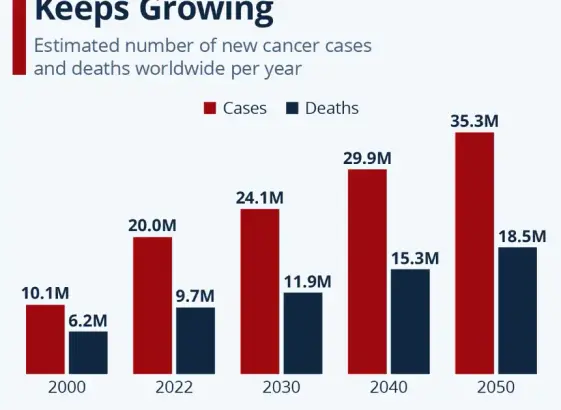
Over 100 cancer vaccines are now in trials, using the body's own defences to fight tumours. This is a big step in cancer treatment.
#Immunotherapy, #CancerTreatment, #ImmuneSystem, #MedicalResearch, #HealthNews
https://newsletter.tf/immunotherapy-body-defences-fight-cancer/
New Immunotherapy Fights Cancer Using Body's Defences
Learn how new immunotherapies use the body's own system to fight diseases like cancer. Find out about treatments and side effects.

Does Exercising in Cold Weather Strengthen or Weaken Your Immune System?
When the temperature drops, the temptation to take your workout indoors—or hit pause entirely—is real. For decades, a persistent myth has circulated around winter fitness: “Don’t exercise out in the cold, you'll catch a chill and get sick.” But does exercising in cold weather actually weaken your immune system, or does it brace your
Your blood cells may trace their origins back to single-celled ancestors that lived 700 million years ago. By building an evolutionary family tree, scientists discovered that key parts of our modern immune system, especially macrophages, likely evolved from these ancient unicellular organisms.
[https://www.sciencedaily.com/releases/2026/05/260526022006.htm]
#Science #Evolution #Biology #ImmuneSystem #Fediverse #LearnSomethingNew
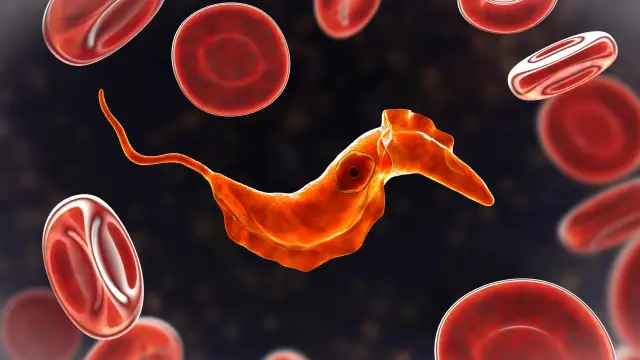
Scientists discover ancient single-celled ancestors still live on in your blood
Scientists uncovered evidence that human blood cells may trace their origins back to single-celled ancestors that lived 700 million years ago. By rebuilding the evolutionary family tree of blood cells, the team revealed how today’s immune system grew from some of Earth’s earliest life forms.

Trapped Indoors: How Winter Reshapes Your Brain Chemistry (And How to Fix It)
When the seasons shift and temperatures drop, our lives fundamentally change. We retreat from public parks, swap evening walks for the couch, and spend up to 90% of our days inside four walls. While escaping the physical cold is necessary, staying indoors during the winter months inflicts a quiet, measurable toll on human psychology
Does Exercising in Cold Weather Strengthen or Weaken Your Immune System?
When the temperature drops, the temptation to take your workout indoors—or hit pause entirely—is real. For decades, a persistent myth has circulated around winter fitness: “Don’t exercise out in the cold, you'll catch a chill and get sick.” But does exercising in cold weather actually weaken your immune system, or does it brace your
 Petra van Cronenburg
 Front Page [Unofficial]
 KillBait News
 KillBait
 NewsletterTF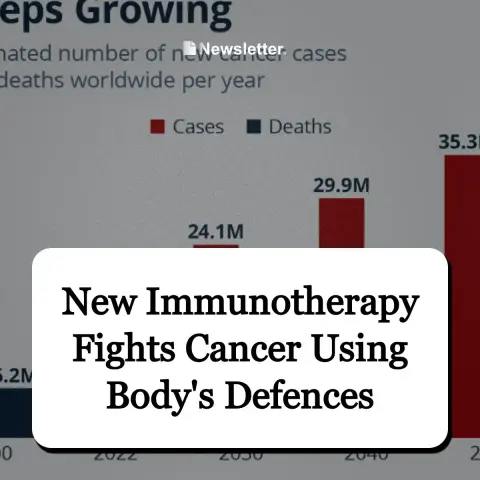
 lifestylebeauty
 Magnus Idode