Nasal Spray Blunts Traumatic Brain Injury: Harvard’s Brigham and Women’s Hospital has found that a nasal spray containing an anti-CD3 monoclonal antibody significantly reduces brain inflammation and speeds recovery.
#traumaticbraininjury #tbi #cd3 #treg #il10 #mva #nasalspray https://www.instagram.com/reel/DHD28nmuKit/
Howard G. Smith MD, AM on Instagram: "Nasal Spray Blunts Traumatic Brain Injury
So say neurologists at Harvard’s Brigham and Women’s Hospital. In a mouse model, they show that a nasal spray containing an anti-CD3 monoclonal antibody significantly reduces brain inflammation and speeds recovery after a traumatic brain injury (TBI).
This antibody, sprayed into the nasal cavities, activates regulatory T cells, Tregs, that then travel to the brain and release IL-10 that in turn reduces microglial-medial inflammation there.
This anti-CD3 nasal spray must still prove its effectiveness in humans. If so, it will become a treatment for the TBI that follows concussions, motor vehicle accidents, and other sports-related head trauma.
https://www.nature.com/articles/s41593-025-01877-7
#traumaticbraininjury #tbi #sports #cd3 #treg #il10 #mva #nasalspray"
0 likes, 0 comments - drhowardsmithreports on March 11, 2025: "Nasal Spray Blunts Traumatic Brain Injury
So say neurologists at Harvard’s Brigham and Women’s Hospital. In a mouse model, they show that a nasal spray containing an anti-CD3 monoclonal antibody significantly reduces brain inflammation and speeds recovery after a traumatic brain injury (TBI).
This antibody, sprayed into the nasal cavities, activates regulatory T cells, Tregs, that then travel to the brain and release IL-10 that in turn reduces microglial-medial inflammation there.
This anti-CD3 nasal spray must still prove its effectiveness in humans. If so, it will become a treatment for the TBI that follows concussions, motor vehicle accidents, and other sports-related head trauma.
https://www.nature.com/articles/s41593-025-01877-7
#traumaticbraininjury #tbi #sports #cd3 #treg #il10 #mva #nasalspray".
#IL10 Brad Schneider (D)
@repschneider.bsky.social
~4% of total population in
#ACA exchange plans
~18% of total population in
#Medicaid/CHIP
~15% of total population in
#Medicare New #HeartDisease research:
In a new study, researchers at La Jolla Institute for Immunology aimed to determine the main IL10-producing cell type in atherosclerosis.
Their results were published Dec. 10 in the journal Cell and Molecular Life Sciences: https://link.springer.com/article/10.1007/s00018-022-04649-9
#immunology #inflammation #CardiovascularDisease #atherosclerosis #IL10

Deleting interleukin-10 from myeloid cells exacerbates atherosclerosis in Apoe−/− mice - Cellular and Molecular Life Sciences
Atherosclerosis is initiated by subendothelial retention of lipoproteins and cholesterol, which triggers a non-resolving inflammatory process that over time leads to plaque progression in the artery wall. Myeloid cells and in particular macrophages are the primary drivers of the inflammatory response and plaque formation. Several immune cells including macrophages, T cells and B cells secrete the anti-inflammatory cytokine IL-10, known to be essential for the atherosclerosis protection. The cellular source of IL-10 in natural atherosclerosis progression is unknown. This study aimed to determine the main IL10-producing cell type in atherosclerosis. To do so, we crossed VertX mice, in which IRES-green fluorescent protein (eGFP) was placed downstream of exon 5 of the Il10 gene, with atherosclerosis-prone Apoe−/− mice. We found that myeloid cells express high levels of IL-10 in VertX Apoe−/− mice in both chow and western-diet fed mice. By single cell RNA sequencing and flow cytometry analysis, we identified resident and inflammatory macrophages in atherosclerotic plaques as the main IL-10 producers. To address whether IL-10 secreted by myeloid cells is essential for the protection, we utilized LyzMCre+Il10fl/fl mice crossed into the Apoe−/− background and confirmed that macrophages were unable to secrete IL-10. Chow and western diet-fed LyzMCre+Il10fl/fl Apoe−/− mice developed significantly larger atherosclerotic plaques as measured by en face morphometry than LyzMCre−Il10 fl/flApoe−/−. Flow cytometry and cytokine measurements suggest that the depletion of IL-10 in myeloid cells increases Th17 cells with elevated CCL2, and TNFα in blood plasma. We conclude that macrophage-derived IL-10 is critical for limiting atherosclerosis in mice.
 Citizens' Impeachment
 Howard Smith MD, AM
 Charles Gaba ✡️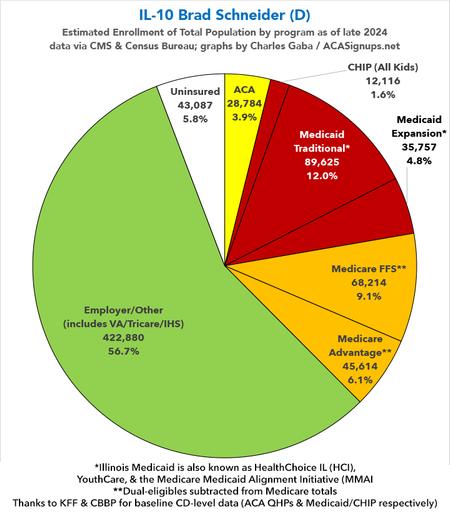
 La Jolla Institute