 PPC Land
IAB Italia's AI white paper maps the future of marketing in Italy: IAB Italia published its AI white paper on April 13, covering generative AI, the EU AI Act, targeting, hyper-personalisation and the future of Italian marketing https://ppc.land/iab-italias-ai-white-paper-maps-the-future-of-marketing-in-italy/ #AI #Marketing #GenerativeAI #EUAIGuidelines #Hyperpersonalization
 Follow GOLF
https://www.fogolf.com/1181472/golf-ai-bringing-the-future-to-the-fairway/ GOLF AI: Bringing the Future to the Fairway #AIAdoption #AIAgents #AIClone #AIConcierge #app #ArtificialIntelligence #automation #concierge #CourseManagement #DigitalCaddy #GolfAi #GolfCourses #GolfTechnology #HyperPersonalization #innovation #MemberServices #OperationalEfficiency #pga #ProShop #RevenueOptimization #Scheduling #SPORTSTECH #Startups #Technology #TeeTimes #Utah

 Iklan
IklanTren Digital Marketing 2025: Dari Hyperpersonalization ke Predictive Marketing
#Iklans - #Tren #Digital Marketing 2025: Dari #Hyperpersonalization ke #Predictive Marketing - Perkembangan #teknologi digital terus mendorong perubahan besar dalam dunia #pemasaran. Setiap tahun, pendekatan dan #strategi marketing berevolusi mengikuti perilaku konsumen yang semakin cerdas dan dinamis. Jika beberapa tahun lalu fokus utama digital marketing adalah personalization, maka di…

Tren Digital Marketing 2025: Dari Hyperpersonalization ke Predictive Marketing - Iklans
#Iklans - #Tren #Digital Marketing 2025: Dari #Hyperpersonalization ke #Predictive Marketing - Perkembangan #teknologi digital terus mendorong perubahan besar dalam dunia #pemasaran. Setiap tahun, pendekatan dan #strategi marketing berevolusi mengikuti perilaku konsumen yang semakin cerdas dan dinamis. Jika beberapa tahun lalu fokus utama digital marketing adalah personalization, maka di tahun 2025 dunia telah memasuki era
 WebHeads United
Hyper-personalization in e-commerce leverages AI and real-time data to create tailored experiences for shoppers. Think beyond just using a first name in an email. It's about predicting what a customer wants before they even know they want it.
Read more about it here:
https://webheadsunited.com/11-powerful-ex-hyper-personalization-e-commerce/
#ecommerce #hyperpersonalization #marketing #AI #customerexperience

 Ashish Varghese Thomas
Is hyper-personalization a privacy risk? The line between "helpful" and "creepy" is trust. The best brands today aren't just data-driven, they're trust-centric.
What's your take on it? Let's discuss.
Read the full article here: https://ashishvarghesethomas.wordpress.com/2025/07/11/hyper-personalization-in-2025-ethical-marketing-trust/
#DigitalMarketing #MarketingEthics #Privacy #HyperPersonalization #DataGovernance #CustomerTrust


"Unlock future marketing with ethical hyper-personalization. Our new article dives into building customer trust, ensuring data privacy, & driving loyalty in 2025. Get ethical strategies now! Read more on our blog.
#HyperPersonalization #DataPrivacy #EthicalMarketing #CustomerTrust #2025Marketing"

 Digital Marketing Insights
Hyper-Personalization 2025: Ethical Trust
Unlock the future of marketing with ethical hyper-personalization. Build lasting loyalty by respecting data privacy & avoiding creepy tactics in 2025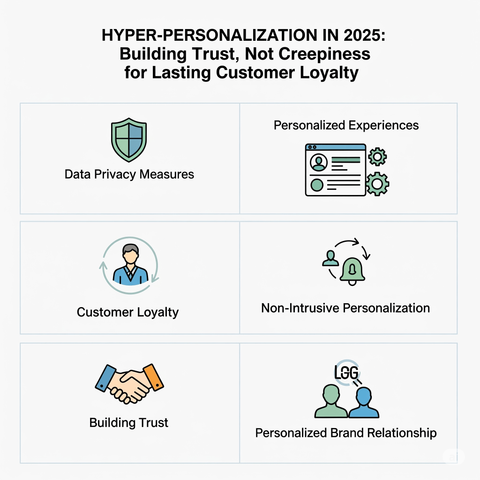


 Dr. Thompson
📢 Your data isn’t just being analyzed—it’s being understood.
Discover how Netflix, Spotify & Amazon use 574M+ daily interactions to craft experiences just for you. GenAI is no longer predicting trends—it’s predicting you.
🧠 This isn’t marketing. It’s memory, mood, and meaning—personalized at scale.
👉 Read the full piece here:
https://medium.com/@rogt.x1997/genais-magic-mirror-how-hyper-personalization-is-rewriting-the-customer-experience-404b9c23a3e0
#GenAI #CustomerExperience #AIatScale #HyperPersonalization
https://medium.com/@rogt.x1997/genais-magic-mirror-how-hyper-personalization-is-rewriting-the-customer-experience-404b9c23a3e0

🚀 $25.73B by 2025. 38% more customer spend.
This isn’t hype—it’s happening right now. GenAI is reshaping personalization across retail, finance, education, and healthcare. If your UX doesn’t feel like it’s reading your mind... it’s already behind.
👀 Explore the real tech and tactics powering the future of customer experience:
https://medium.com/@rogt.x1997/25-73b-by-2025-how-generative-ai-is-rewriting-customer-experience-economics-45ac3a61bce4
#GenAI #CustomerExperience #HyperPersonalization #AIUX
https://medium.com/@rogt.x1997/25-73b-by-2025-how-generative-ai-is-rewriting-customer-experience-economics-45ac3a61bce4

 Taranker
🔍 Hyper-Personalization for Shopify: Smarter, More Human Marketing with AI 🤖
In 2025, it's not enough to be relevant—you need to be remarkably personal. With AI-powered hyper-personalization, Shopify stores can now deliver marketing that feels tailored, intuitive, and human.
🎯 It's time to market smarter—not louder. Let AI help you speak directly to your customers' needs.
👉 Read more: https://taranker.com/blog/hyper-personalization-for-shopify-smarter-more-human-marketing-with-ai
#ShopifyMarketing #HyperPersonalization #AIinEcommerce #CustomerExperience #Taranker
