 World History Encyclopedia
Shulgi of Ur (reign 2094 to circa 2046 BCE) is considered the greatest king of the Ur III period in Mesopotamia (circa 2112 to circa 2004 BCE). #History #Ur-Nammu #Ur #Sumerians #Sumer #ShulgiOfUr #Mesopotamia #Hurrians #HistoryFact https://whe.to/ci/1-12856-en/
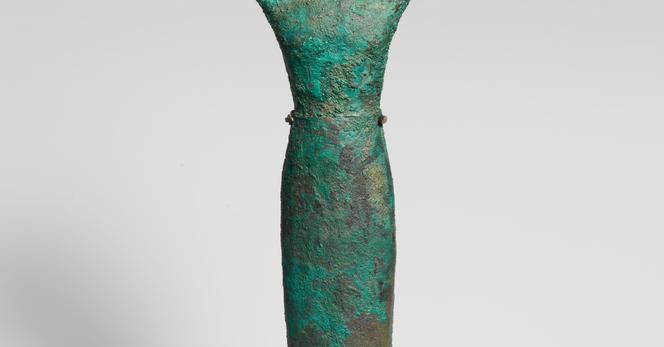
Sargon of Akkad (reign 2334-2279 BCE) was the king of the Akkadian Empire of Mesopotamia, the first multinational empire in history, who united the disparate kingdoms of the region under a central authority. #History #SargonOfAkkad #SargonII #Naram-Sin #Mesopotamia #Inanna #Hurrians #AssyrianWarfare #Anu #Akkad #HistoryFact https://whe.to/ci/1-625-en/
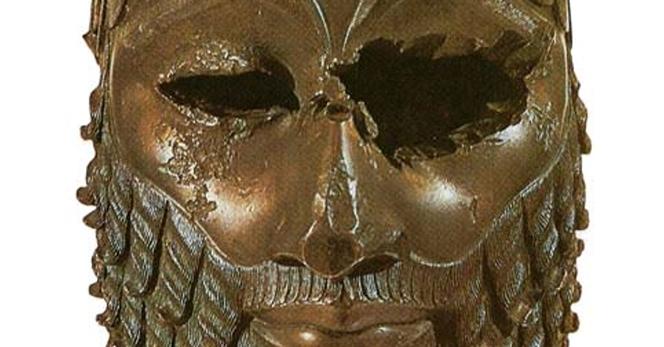
Sargon of Akkad: From Gardener to King of the Four Corners of the World
Sargon of Akkad (reign 2334-2279 BCE) was the king of the Akkadian Empire of Mesopotamia, the first multinational empire in history, who united the disparate kingdoms of the region under a central authority...
 Resolviendo la incógnita 🌐
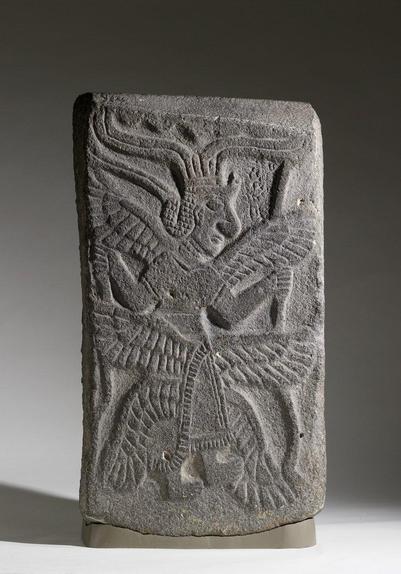
La imagen de esta diosa hurrita en un relieve encontrado en Tell Halaf pudo haber influido en las seis alas de los serafines bíblicos. 🏛️ Museo de Arte Walters #hurritas #hurrians
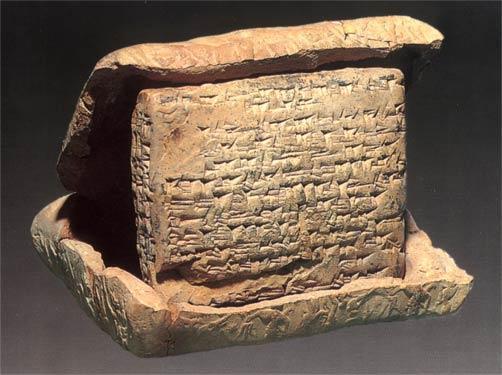
Tablilla hurrita en "sobre" de Tell Qitar. Esto significaba que era un documento importante, como una herencia en este caso, cuya envoltura se rompía para comprobar que no se había falsificado. Según las referencias, parece ser que Šeni-šarri, hijo de Tiha'e, había adoptado a Anani-šarri, y la sacerdotisa Nin.dingir, sacerdotisa de Teššub, selló el acuerdo. 🏛️Museo Nacional de Aleppo #hurritas #hurrians
 Ancient Origins
The most surprising discovery? The Hurrians' important role! Later, their concepts, like the Dragon Slayer myth, influenced traditions from India to Europe. Fascinating links revealed! #history #mythology #archeology #dragons #ancientcivilizations #hurrians
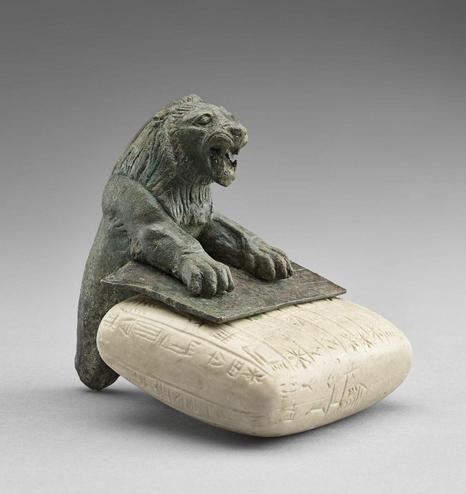
Tablilla en los cimientos del templo de Pirigal fundado por Tisari, rey hurrita de Urkesh en el siglo XXII a.C. Es el texto hurrita más antiguo conservado. 🏛️Louvre #hurritas #hurrians
El texto de Kikkuli, el entrenador de caballos hurrita de Mitanni que, durante el Imperio Nuevo Hitita (~1400 a.C.), escribió una guía para entrenar y alimentar a caballos de carros durante 214 días. Mitanni, en el norte de la actual Siria, fue una tierra destacada por el entrenamiento de caballos. 🏛️Museo de Pérgamo 📷Osama Shukir Muhammed Amin #Hurritas #hurrians

The Hurrians (aka Hurri or Khurri) were a Bronze Age people who flourished across the Near East from the 4th millennium BCE to the 1st millennium BCE.https://www.worldhistory.org/Hurrians/ #Armenia #ArmeniaTracker #Hurrians #History

The Sea Peoples were a confederacy of naval raiders who harried the coastal towns and cities of the Mediterranean region between c. 1276-1178 BCE, concentrating their efforts especially on Egypt. They are considered one of the major contributing causes to the Bronze Age Collapse (c. 1250-c.1150 BCE) and were once regarded as the primary cause.
https://www.worldhistory.org/Sea_Peoples/ #BronzeAgeCollapse #EgyptianWarfare #Hurrians
https://www.worldhistory.org/Sea_Peoples/ #BronzeAgeCollapse #EgyptianWarfare #Hurrians
