You missed our series about unnoticed, but influential female scientists in microbiology that were honoured by naming a bacterium after them?
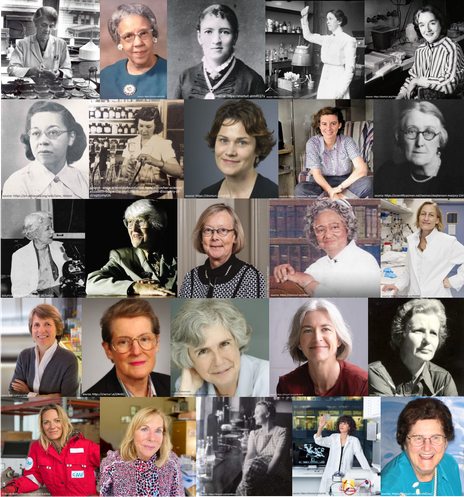
Here is the basic information about the 26 women and their groundbreaking work 👉 www.dsmz.de/collection/honouring-women-in-science
#herstory #HonoringWomenInSTEM #WomenInScience

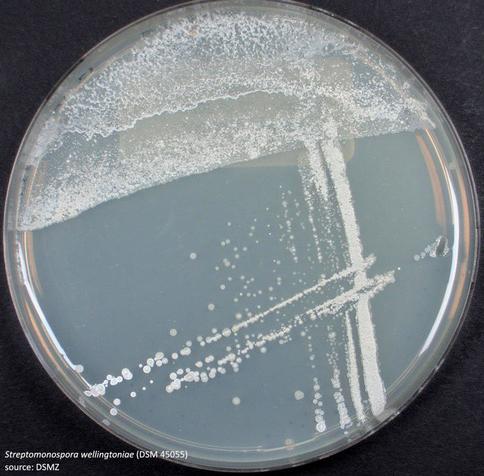
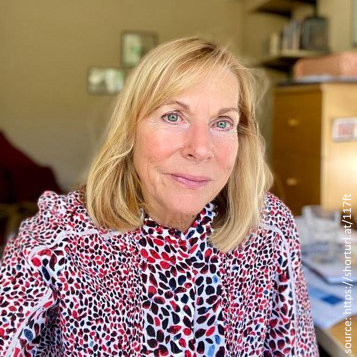
Elizabeth Wellington is renowned for her work on the microbiomes in our environment, including soil, plants, and rivers. She is also known for her efforts to promote this field by sharing research methods and running workshops. To honour her great contributions to microbiomes and environmental microbiology, DSMZ researchers named the strain Streptomonospora wellingtoniae (DSM 45055) after her.

#herstory #HonoringWomenInSTEM #WomenInScience #soilbiology

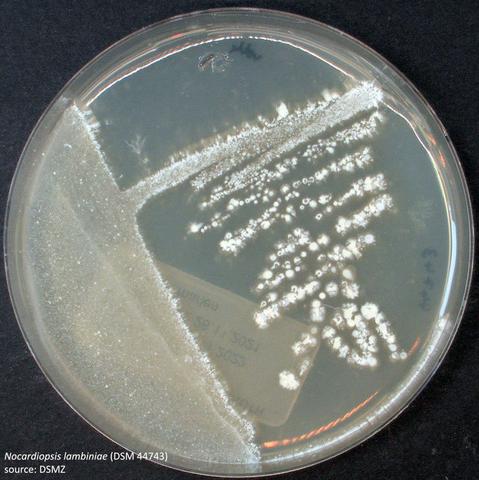
Suzanne Lambin (1902-2008) was a pharmacist and microbiologist. A pioneer in biomedicine and biomathematics, she became the first woman to hold a chair at the Faculty of Pharmacy of the University of Paris in 1951. To honour her great work on the evolution of bacterial cultures, DSMZ researchers named the strain Nocardiopsis lambiniae (DSM 44743) after her.

Unfortunately, it was impossible to find a picture of her... 🙁

#herstory #HonoringWomenInSTEM #WomenInScience #microbiology

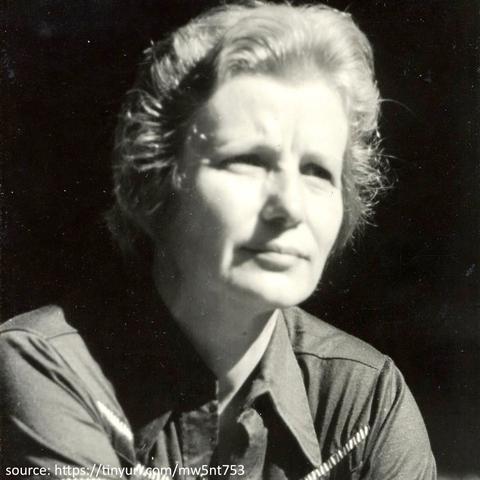
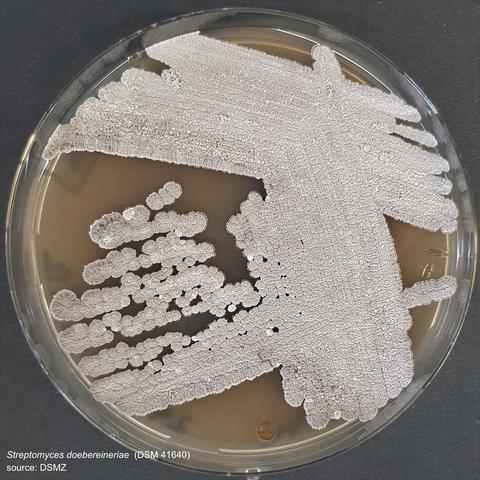
Johanna Döbereiner (1924-2000) was a world-renowned microbiologist, agronomist and pioneer in soil biology. She played an important role in Brazilian soybean production by promoting legumes that relied solely on biological nitrogen fixation. To honour her significant contributions in the field of plant-microbe interaction, DSMZ researchers named the strain Streptomyces doebereineriae (DSM 41640) after her.

#herstory #HonoringWomenInSTEM #WomenInScience #soilbiology #agronomist

Susan Gottesman has pioneered studies on post-transcriptional mechanisms of regulation in bacterial systems. One focus of her work has been on how these regulatory inputs affect the bacteria’s response to stress. To honour her major contribution in the field of microbiology, biochemistry and molecular biology, DSMZ researchers named the strain Streptomyces gottesmaniae (DSM 3412) after her.

#herstory #HonoringWomenInSTEM #WomenInScience #antibiotics #mRNA #streptomycete #microbiology

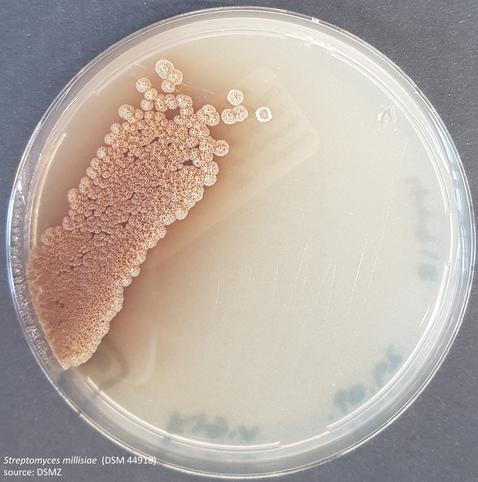
Nancy F. Millis (1922-2012) was an Australian microbiologist who introduced fermentation technologies to Australia and established the first applied microbiology course in an Australian university. To honour her introduction to applied microbiology and promotion of wastewater microbiology in Australia, DSMZ researcher named the strain Streptomyces millisiae (DSM 44918) after her.

#herstory #HonoringWomenInSTEM #WomenInScience #fermentation #microbiology

Katrina J. Edwards (1968-2014) was a pioneering geomicrobiologist. She was renowned for her studies of organisms living beneath the ocean floor. In 2012, she became the third woman in the Foundation's 32-year history to receive the A.G. Huntsman Award for Excellence in Marine Science. To honor Edwards for her significant contributions to soil microbiology, DSMZ researchers named the strain Streptomyces edwardsiae (DSM 41636) after her

#herstory #HonoringWomenInSTEM #WomenInScience #microbiology

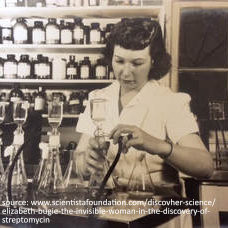
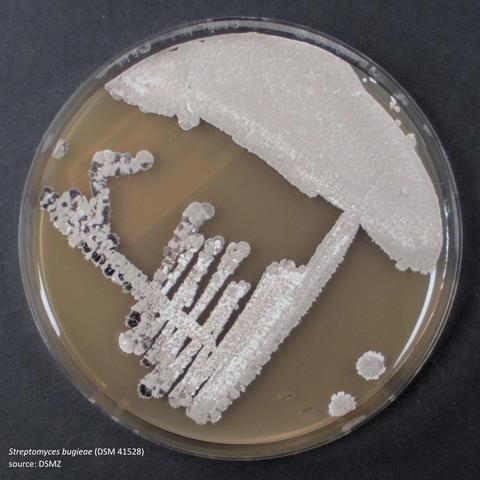
During her work at Rutgers University microbiologist Elizabeth Bugie (1920-2001) was involved in the discovery of streptomycin, the first antibiotic effective against tuberculosis. While her boss received the Nobel Prize for this discovery, she wasn’t mentioned. Honouring her work on the discovery and evaluation of antibiotics, DSMZ researchers named the strain Streptomyces bugieae (DSM 41528) after her.

#herstory #HonoringWomenInSTEM #WomenInScience #streptomyces #microbiology #antibiotics

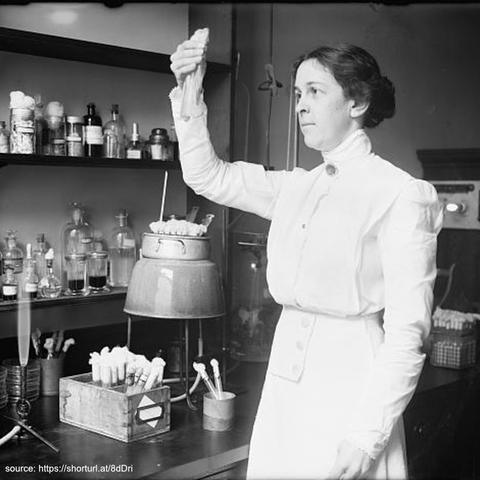
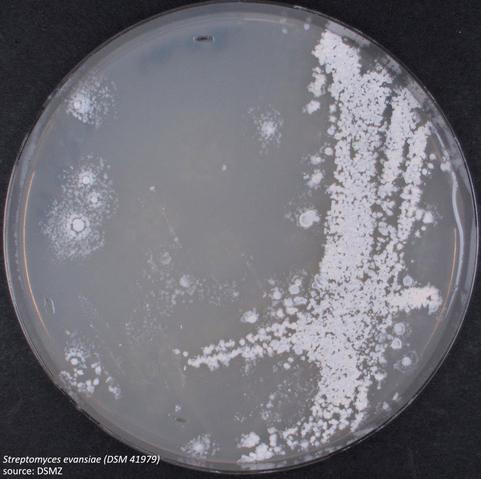
Alice Catherine Evans (1881-1975) worked as a microbiologist, studying the bacteriology of milk and cheese. Thanks to her research, the cause of Brucellosis could be traced back to the consumption of raw milk. To honour Alice Evans for her work, which resulted in the pasteurisation of milk, DSMZ researchers named the strain Streptomyces evansiae (DSM 41979) after her.

#herstory #HonoringWomenInSTEM #WomenInScience #pasteurisation #actinomycetes #microbiology #brucellosis

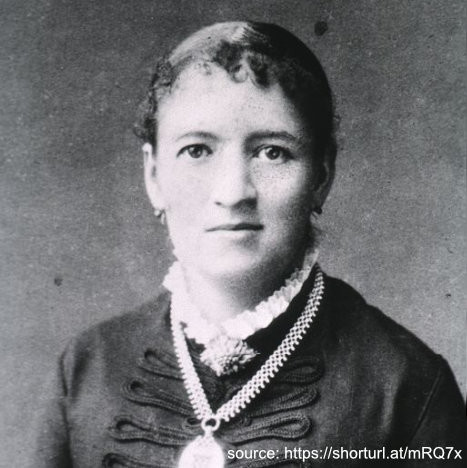
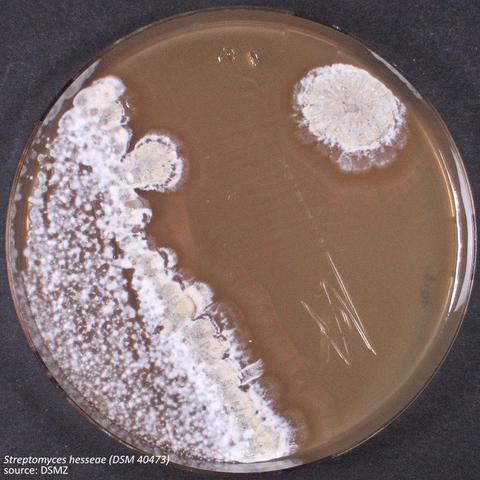
Fanny Hesse (1850-1934) worked unpaid for her husband Walter Hesse in Robert Koch's laboratory. Koch was desperate to find a suitable medium for growing bacterial cultures. Fanny Hesse came up with the idea of using agar, which proved to be an ideal gelling agent. To honour her for introducing agar and revolutionising microbiology, DSMZ researchers named the strain Streptomyces hesseae (DSM 40473) after her.

#herstory #HonoringWomenInSTEM #WomenInScience #RobertKoch #streptomyces #microbiology