Intro 3: the things I forgot (I knew it would happen). Me and some (academic, but still) friends have started a group/network called TReN #toxicity research network that operating through a discord platform and have a monthly reading group. I aim to make a space for the network here when time allows me to. Also I’m a part of #HistoriansForFuture a #ClimateJustice group that tries to figure out the role of history in these catastrophic times. HMU if you wanna join one or both!
@JDoeschner RWE & der ganze Ruhr-Stahl-Kohle-Komplex wäre ganz definitiv ein Fall für #HistoriansForFuture . Im Ersten Weltkrieg ganz groß geworden, dann Sozialisierung / Demokratisierung in der Weimarer Republik gescheitert bzw. brutal niedergeschlagen. Dann die NSDAP gefördert, wieder Kriegsprofiteuere. Nach 1945 wegen zu großem politischen Einfluss von den US-Amerikanern und den Gewerkschaften in kleine Einheiten „entflochten“ + „Montanmitbestimmung“. War aber nicht nachhaltig, und anstatt dass die kommunalen Aktionäre heute RWE kontrollieren ist es seit Jahrzehnten andersrum.
Hätte die Novemberrevolution 1918/19 in der #rweenteignen -Hinsicht mehr Erfolg gehabt wäre uns nicht nur jede Menge Elend, sondern auch Abermillionen Tonnen CO2 erspart geblieben…

#HistoriansForFuture: Unter https://publicclimateschool.de/klima-fachbereich/#galerie findet Ihr mein Video zur PublicClimateSchool (Youtube: https://youtu.be/h6yOf5f5n-0). Ich durfte nur 5 Minuten. Ich hoffe, es spricht den einen oder die andere an!

Mein Dank geht ganz ausdrücklich an Thomas Klisch von der Grünen Jugend Mainz und den StudentsForFuture Mainz, der mich um das Video gebeten und es mit mir im ZAP-Studio der Uni Mainz aufgenommen hat.

My own talk concentrates on four questions:
1. Why should History as a discipline concentrate on questions of climate? The answer is not as obvious as it might seem.
2. What could be the value of climate history for our discipline on an empirical-descriptive, an analytic and maybe a normative ("#HistoriansForFuture) level?
3. How does climate affect social inequalities?
4. What could be the use of History for an interdisciplinary discussion about how to cope with anthropogenic climate change?
Als "Mitglied" in der Runde der #historiansforfuture habe ich gestern Abend bei Opus Klassik erstmals von Ludovico Einaudis "Elegy for the Arctic" gehört und dann gesehen und dachte mir, das müsst Ihr auch: https://youtu.be/2DLnhdnSUVs via @[email protected]. Ich bin jedenfalls berührt.
Ludovico Einaudi - "Elegy for the Arctic" - Official Live (Greenpeace)

YouTube
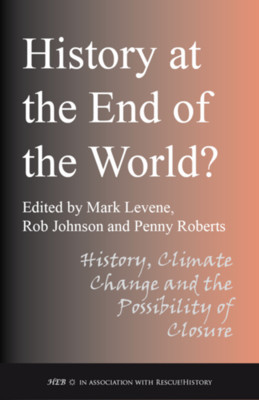
#historiansforfuture: 2006 veröffentlichten Geisteswissenschaftler um Mark Levene, Genozidhistoriker und Umweltaktivist, das "Rescue!History Statement" zum anthropogenen Klimawandel - ein "Statement from Colleagues in the Humanities and Social Sciences". Ein 🧵👇:
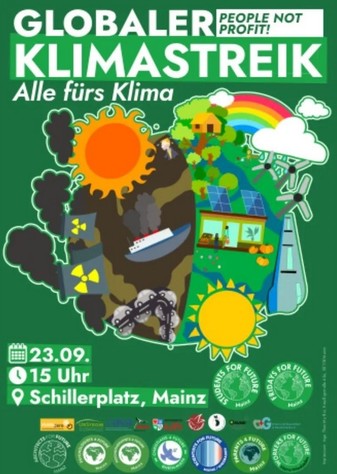
I hope all #historiansforfuture will join the global climate strike on Sep 23rd.