Episode 395: Crinoids and Urchins | Strange Animals Podcast
‘Spoon worms lick the seabed with a metre-long tongue’: a voyage into a vanishing #Arctic world https://www.theguardian.com/environment/2024/feb/03/spoon-worms-lick-the-seabed-with-a-metre-long-tongue-a-voyage-into-a-vanishing-arctic-world
"in places, large numbers of #SeaCucumbers and huge colonies of filter-feeding #FeatherStars appear in the spotlights. We marvel at basketball-sized #sponges flickering across the #scientists’ screens, at apricot-coloured #anemones and star-shaped patterns extending around the burrows of spoon #worms"
‘Spoon worms lick the seabed with a metre-long tongue’: a voyage into a vanishing Arctic world
Sea ice around the north pole is disappearing at an alarming rate. A group of scientists went on a mission to investigate the effects of the climate crisis on the region
🪶🌟 https://thekidshouldseethis.com/post/glass-sponges-and-feather-stars-a-marine-ecologists-research-revealed
#Featherstars might look like colorful swimming ferns, but they’re marine #animals, #echinoderms that are related to sea stars, brittle stars, sea urchins, and sea cucumbers. #Marineecologist Angela Stevenson studies how glass sponges and feather stars are affected by human-caused environmental factors. Learn more about her work in this episode of the #BeatyMuseum's #Researchers Revealed #video series.
#science #biology #ecology #climatechange #oceanwarming #womeninSTEM #marinebiology #britishcolumbia

Glass sponges and feather stars: A marine ecologist's research revealed | The Kid Should See This
Feather stars might look like colorful swimming ferns, but they're marine animals, echinoderms that are related to sea stars, brittle stars, sea urchins,
 Terumbu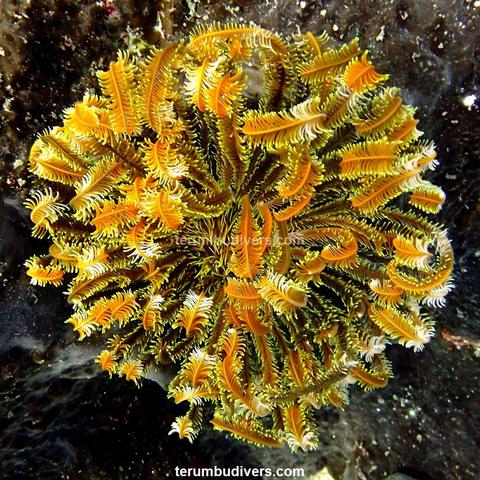
 llewelly
 Lukas VFN 🇪🇺
 The Kid Should See This 🌈🪐✨