Il Fatto Quotidiano: “E i figli dopo di loro”: l’estate di tre adolescenti che affrontano i primi turbamenti d’amore – IL VIDEO

Dai fratelli Ludovic e Zoran Boukherma, arriva al cinema dal 14 maggio con Fandango Distribuzione “E i figli dopo di loro”, presentato all’ultima Mostra Internazionale d’Arte Cinematografica di Venezia. Il film è tratto dall’omonimo romanzo di Nicolas Mathieu, vincitore del Prix Goncourt e pubblicato in Italia da Marsilio Editori.
Nel cast il protagonista Paul Kircher (Premio Marcello Mastroianni a Venezia), Angelina Woreth, Sayyid El Alami, Louis Memmi, Ludivine Sagnier e Gilles Lellouche. In anteprima a FqMagazine una clip tratta dalla pellicola.
La storia si snoda lungo quattro estati negli Anni 90, quando tre adolescenti affrontano i primi turbamenti dell’amore e la complessità di costruire il proprio futuro sull’eredità dei genitori, in una periferia francese che non concede sconti.
La colonna sonora originale di Amaury Chabauty mescola brani dagli Aerosmith ai Red Hot Chili Peppers, dai Nirvana a Bruce Springsteen che seguono le storie dei tre giovani protagonisti nel tentativo di dare forma al proprio domani.
L'articolo “E i figli dopo di loro”: l’estate di tre adolescenti che affrontano i primi turbamenti d’amore – IL VIDEO proviene da Il Fatto Quotidiano.

“And the children after them”: the summer of three teenagers facing their first loves – THE VIDEO

From the brothers Ludovic and Zoran Boukherma, comes to the cinema on May 14th with Fandango Distribuzione “And the Children After Them,” presented at the last Venice International Film Festival. The film is based on the novel of the same name by Nicolas Mathieu, winner of the Prix Goncourt and published in Italy by Marsilio Editori.

The cast includes the protagonist Paul Kircher (Marcello Mastroianni Prize in Venice), Angelina Woreth, Sayyid El Alami, Louis Memmi, Ludivine Sagnier and Gilles Lellouche. A clip from the film will be screened in exclusive preview at FqMagazine.

The story unfolds over four summers in the 90s, when three teenagers face their first loves and the complexities of building their own future on their parents’ inheritance, in a French suburb that offers no concessions.

The original soundtrack by Amaury Chabauty mixes tracks by Aerosmith, Red Hot Chili Peppers, Nirvana and Bruce Springsteen, following the stories of the three young protagonists as they try to shape their tomorrow.

“And the Children After Them”: the summer of three teenagers facing their first loves – IL VIDEO comes from Il Fatto Quotidiano.

#first #Ludovic #ZoranBoukherma #NicolasMathieu #thePrixGoncourt #Italy #MarsilioEditori #PaulKircher #Venice #AngelinaWoreth #SayyidElAlami #LouisMemmi #LudivineSagnier #GillesLellouche #FqMagazine #French #AmauryChabauty #Nirvana #BruceSpringsteen #IlFattoQuotidiano
https://www.ilfattoquotidiano.it/2026/05/10/e-i-figli-dopo-di-loro-lestate-di-tre-adolescenti-che-affrontano-i-primi-turbamenti-damore-il-video/8380312/

“E i figli dopo di loro”: l’estate di tre adolescenti che affrontano i primi turbamenti…

In anteprima a FqMagazine una clip tratta dalla pellicola, in uscita nelle sale il 14 maggio

Il Fatto Quotidiano

Il Fatto Quotidiano: Alessandro Gassmann: “Non si possono cambiare le parole di Bella Ciao, il partigiano non è un qualsiasi essere umano”

Dell’’ingenua manomissione delle parole che hanno svuotato, proprio nel passaggio chiave, il senso di Bella Ciao ha scritto Antonello Caporale qui, sulle pagine di FQMagazine.
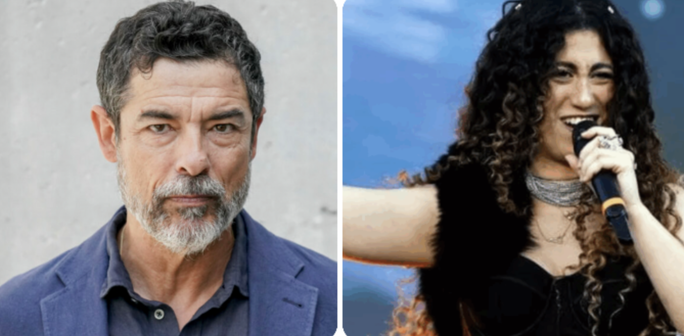
Ora a dire la sua sulla scelta della cantante ci ha pensato Alessandro Gassmann che ha consegnato ai social la sua opinione: “Non si possono cambiare le parole di ‘Bella ciao’. Hanno un senso ed una importanza che non possono e non devono cambiare. Il partigiano non è un qualsiasi essere umano. È un essere umano che, rischiando e a volte perdendo la propria vita, ti ha ridato la libertà“.
E la replica di Delia alle tante critiche ricevute non si è fatta attendere: “Mentre ci indigniamo per una parola cambiata, da oltre quattro anni in Ucraina muoiono civili che non hanno scelto di combattere. Le decisioni vengono prese, come è stato detto anche da Papa Leone, da una cerchia ristretta di persone che giocano a fare i bulli, incuranti della vita degli altri e spesso guidate da interessi economici”.
Ancora: “Ci indigniamo per una parola cambiata mentre, da settimane, in Iran vengono calpestati diritti fondamentali e migliaia di persone hanno già perso la vita. E troppo spesso questa indignazione non basta a farci reagire davvero, a ricordare che si tratta di esseri umani come noi, con famiglie, figli, genitori: vite spezzate per colpa di pochi, sempre nel nome del denaro. Ci indigniamo per una parola cambiata mentre a Gaza sta avvenendo un vero e proprio genocidio. Questa è la mia posizione: ogni essere umano deve essere rispettato, a prescindere dalla sua origine, dal suo credo e dal suo ruolo sociale. Se una canzone, ottant’anni fa, è stata simbolo di libertà, possiamo esserne fieri. E se oggi può ancora servire a stimolare una riflessione su ciò che accade nel mondo, allora ha senso cantarla. Perché, prima di tutto e sopra tutto, siamo ESSERI UMANI”.
L'articolo Alessandro Gassmann: “Non si possono cambiare le parole di Bella Ciao, il partigiano non è un qualsiasi essere umano” proviene da Il Fatto Quotidiano.

Alessandro Gassmann: “You can’t change the words of Bella Ciao, the partisan isn’t just any human being.”

Regarding the naive manipulation of words that have, in the crucial passage, emptied the meaning of Bella Ciao, as written by Antonello Caporale on the pages of FQMagazine, here is what Alessandro Gassmann had to say about the singer's choice: “You cannot change the words of ‘Bella ciao.’ They have a meaning and importance that cannot and must not change. The partisan is not just any human being. It is a human being who, risking and sometimes losing his own life, gave you back freedom.”

And Delia’s reply to the many criticisms received didn’t take long: “While we are indignant over a changed word, over four years ago in Ukraine, civilians were dying who hadn't chosen to fight. Decisions are made, as Pope Leo also stated, by a narrow circle of people who play at being bullies, indifferent to the lives of others and often driven by economic interests.”

Further: “We are indignant over a changed word while, for weeks, fundamental rights are being trampled on in Iran and thousands of people have already lost their lives. And too often this indignation isn't enough to truly make us react, to remember that they are human beings like us, with families, children, parents: lives broken by the fault of a few, always in the name of money. We are indignant over a changed word while a genocide is taking place in Gaza. This is my position: every human being must be respected, regardless of their origin, their faith, and their social role. If a song, eighty years ago, was a symbol of freedom, we can be proud of it. And if today it can still serve to stimulate a reflection on what is happening in the world, then it makes sense to sing it. Because, above all and first of all, we are HUMAN BEINGS.”

The article Alessandro Gassmann: “You cannot change the words of Bella Ciao, the partisan is not just any human being” comes from Il Fatto Quotidiano.

#AlessandroGassmann #BellaCiao #AntonelloCaporale #FQMagazine #Delia #Ukraine #PopeLeo #first #IlFattoQuotidiano

https://www.ilfattoquotidiano.it/2026/05/02/alessandro-gassmann-non-si-possono-cambiare-le-parole-di-bella-ciao-il-partigiano-non-e-un-qualsiasi-essere-umano/8373105/

Alessandro Gassmann: “Non si possono cambiare le parole di Bella Ciao, il partigiano non è un…

Tra memoria storica e attualità globale, la polemica su Bella ciao diventa uno scontro di visioni

Il Fatto Quotidiano